
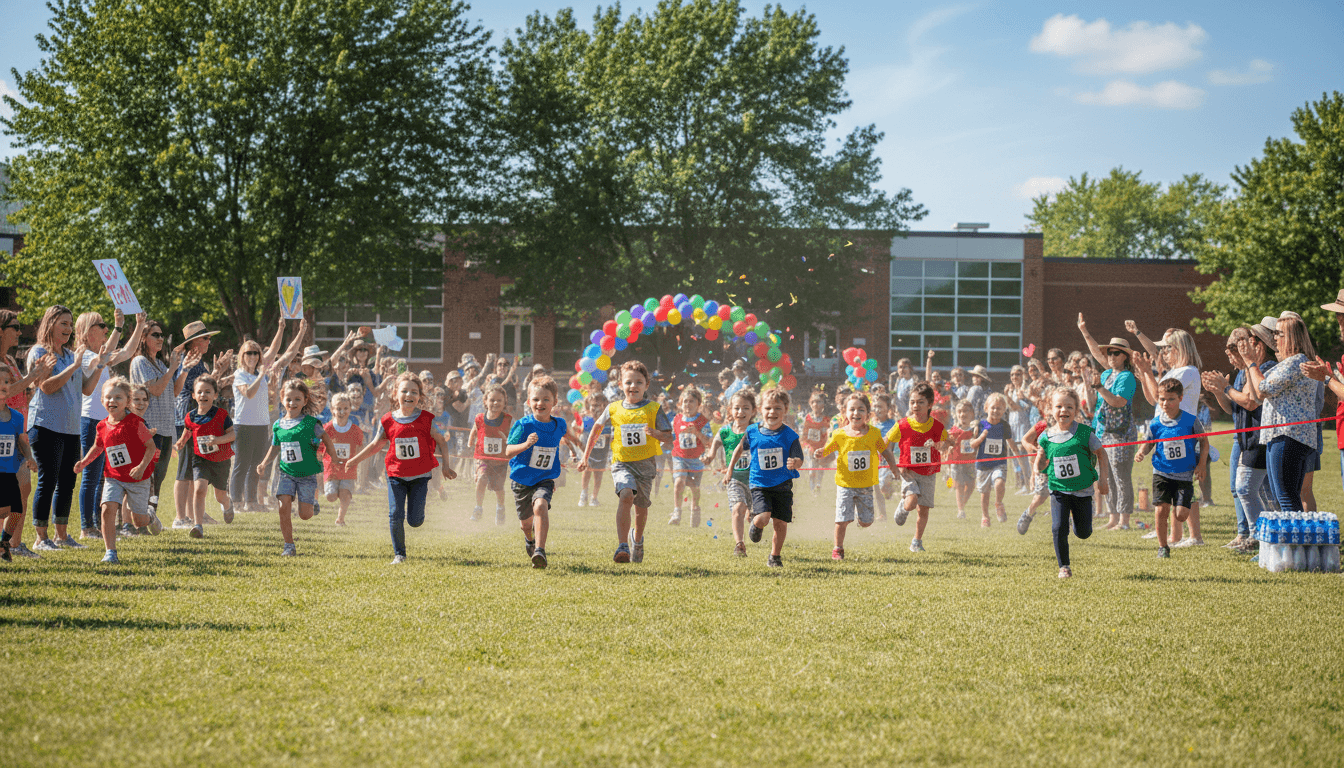
Field Day Newsletter: Everything Parents Need to Know Before the Big Day
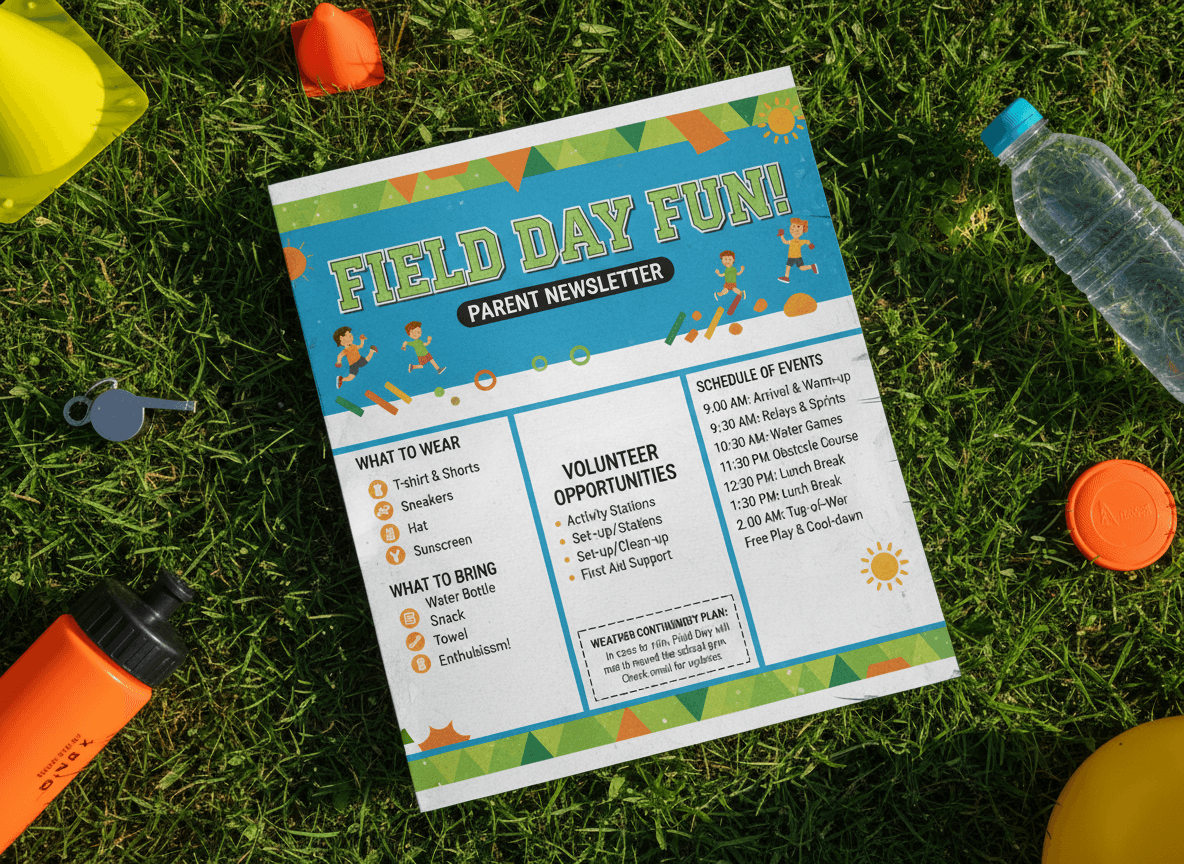
Field day is the event students talk about for weeks before it happens and weeks after. It is also one of the most logistically demanding days of the school calendar for teachers, families, and volunteers. A clear field day newsletter sequence keeps the excitement high and the confusion low.
Most field day communication fails not because it leaves out important information, but because it sends all the information at once, too late, in a format parents cannot scan quickly. Here is what to send, when to send it, and what to include in each newsletter.
Two weeks out: the full information newsletter
The first field day newsletter should go home two weeks before the event. This is the comprehensive one. It should answer every question a parent might have so that the two-day reminder is just that: a reminder, not an information dump.
Two-week newsletter content:
- Date and schedule: Start time, end time, and the rough schedule of the day if it is divided by grade level or activity rotation.
- What students should wear: Athletic clothing, closed- toe shoes, class color (if your school does team colors), sun hat recommendation. Be specific. "Comfortable clothing" is not enough. "Wear athletic shoes and the school color shirt if you have one" gives families something to act on.
- What students should bring: Water bottle (labeled), sunscreen (applied before school), change of clothes, any medication needs.
- Volunteer opportunities: Which stations need parent help, what the time commitment is, and how to sign up. Field day typically requires more volunteers than almost any other school event. Give families enough lead time to plan.
- Sibling and spectator policy: Can younger siblings come? Is there a viewing area for parents who want to watch? Where should spectators stand or sit?
Two days out: the short reminder
Two days before field day, send a short newsletter that covers only the most critical logistics. This is not the place for new information. Families are busy, and they need a quick checklist, not a re-read of the full event description.
Two-day reminder content: date, start time, clothing reminder, water bottle reminder, and the weather contingency plan. Keep it to one paragraph or a short bulleted list. If you have a volunteer list with assignments, include a link or a brief summary of who is confirmed.
Weather contingency communication
Weather is the field day variable that causes the most last-minute anxiety for families and staff. Your two-week newsletter should explain the contingency plan clearly, not leave it as a "we will let you know."
Families need to know: What triggers a postponement? Who makes the call and by when? How will families be notified? What is the backup date? Is there a rain-day indoor version of field day, or does it simply move to the new date?
A clear contingency communication prevents the flood of parent emails and phone calls that happen every time the weather forecast looks uncertain. It also prevents the situation where half the school shows up in field day attire on a day when the event has been quietly moved.
Volunteer coordination: what the newsletter needs to do
Field day volunteers need more specific information than most school events. The general newsletter to all families covers the event broadly. Confirmed volunteers need a separate, specific communication: which station they are assigned to, when to arrive (usually 30 minutes before students), what supplies will be at the station vs. what they need to bring, and who to check in with when they get there.
If you are using a sign-up tool, link to it from the main newsletter. If you are coordinating via email, say so and give a clear deadline for volunteer sign-ups. Volunteers who do not hear back with station assignments sometimes assume they are not needed and do not show up.
Sunscreen and health logistics
Sunscreen is a field day detail that trips up schools annually. In many districts, sunscreen counts as a personal care product and cannot be applied by school staff without a health form on file. If this applies to your school, say so explicitly in the newsletter: please apply sunscreen to your child before school on field day. The school cannot apply sunscreen during the event.
Include a note about water too. Students who bring a labeled water bottle need it refilled throughout the day. If there are water stations on the field, mention them. If students need to refill at the fountain, say that too.
Building your field day newsletter in Daystage
Daystage's block editor makes it easy to separate the full information newsletter from the short two-day reminder using different section structures. The two-week send gets full formatting with subsections for volunteers, clothing, and weather. The two-day send is a short text block that families can read in thirty seconds. Both use the same subscriber list so the full parent community gets consistent information across the sequence.
After field day: a brief thank-you
Send a short newsletter after field day to thank volunteers, celebrate the students, and share a few photos if you have them and your school has photo release clearance. This newsletter does not need to be long. It is a gesture of community that closes out a significant school day and keeps families engaged with your communication through the end of the year.
Get one newsletter idea every week.
Free. For teachers. No spam.
Frequently asked questions
When should schools send a school field day newsletter?
Send the full field day newsletter two weeks out and a short reminder two days before the event. The two-week newsletter handles all logistics, volunteer sign-ups, and clothing instructions. The two-day reminder covers only the essentials: sunscreen, appropriate footwear, and any weather updates.
What should a school field day newsletter include?
Cover the date, schedule, and grade-level rotation times. Include clothing requirements such as athletic shoes and school colors, sunscreen policy, water bottle instructions, and what students should bring for lunch if the schedule overlaps meal time. Add volunteer opportunities and instructions for applying sunscreen at school if your policy allows it.
How far in advance should teachers send field day communications to parents?
Two weeks is the right lead time for field day. Families need time to prepare appropriate clothing, send in sunscreen, and sign up for volunteer spots before they fill. Waiting until one week out results in parents who are not prepared and volunteer slots that do not fill in time.
What are common mistakes in field day newsletter communication?
Forgetting to include a weather contingency plan is one of the most common mistakes, which leads to frantic communication on the morning of the event if conditions change. Not clarifying the sunscreen policy is another frequent problem, since parents who want to apply sunscreen before school need to know whether the school will reapply mid-day.
What is the best tool to send a school field day newsletter?
Daystage is built for school event communication and handles the field day sequence from the two-week announcement to the post-event thank-you. The scheduling feature means your day-before reminder goes out automatically so you are focused on running the event, not drafting emails.

Adi Ackerman
Author
Adi Ackerman is a former classroom teacher and curriculum writer with 8 years in K-8 schools. She writes about school communication, parent engagement, and what actually works in real classrooms.
More for School Events
Ready to send your first newsletter?
3 newsletters free. No credit card. First one ready in under 5 minutes.
Get started free