
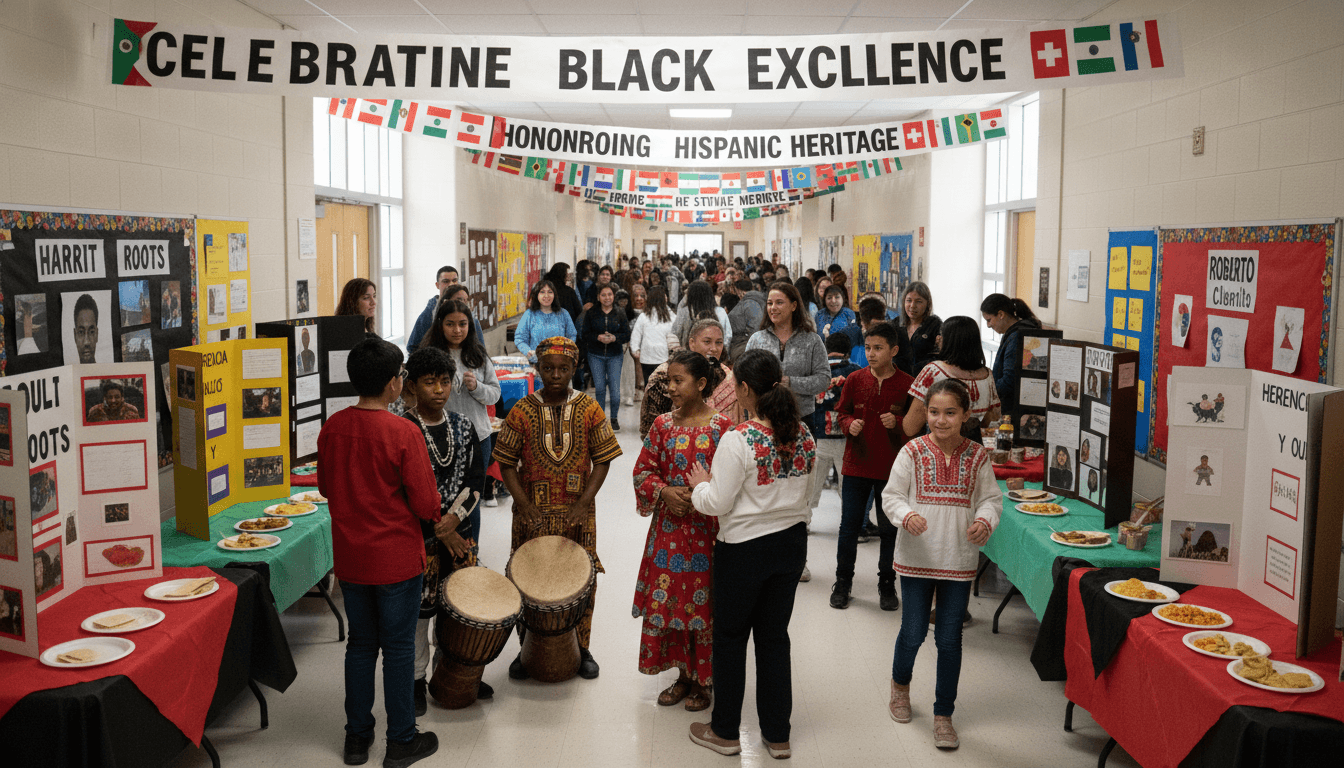
Cultural Heritage Month Newsletter: Communicating Celebrations Respectfully and Inclusively
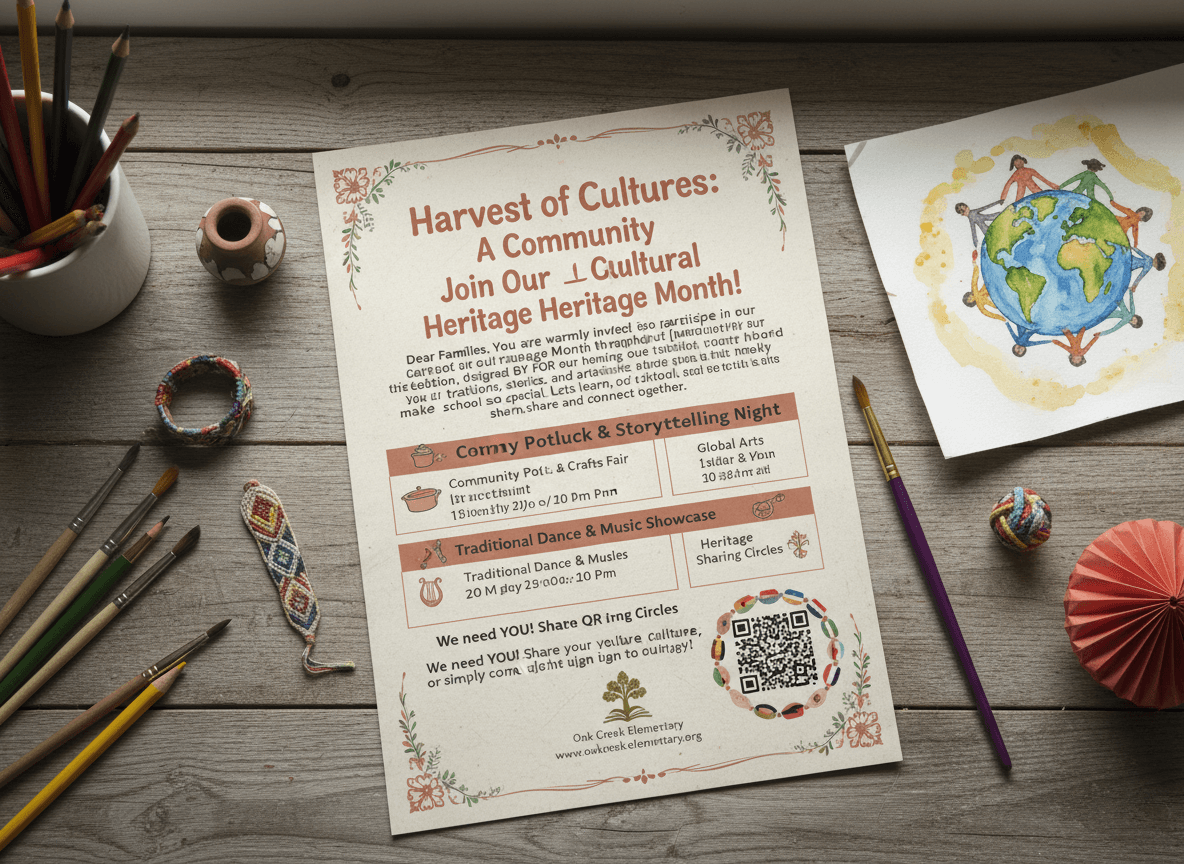
Cultural heritage month newsletters occupy one of the most nuanced spaces in school communication. They need to celebrate meaningfully, include the families whose heritage is being recognized, reach families whose heritage is not the subject of the month, and avoid the specific failure mode that parents and students from the represented communities recognize immediately: tokenism.
The difference between a newsletter that honors a cultural heritage month and one that inadvertently reduces it to a surface-level gesture comes down to choices in how the communication is framed, who is involved in shaping it, and what specific activities and events it invites families to engage with.
Tokenism vs. genuine celebration: the distinction in communication
Tokenistic heritage month communication focuses on a narrow set of well-known figures, treats culture as a single month's topic rather than an ongoing dimension of school life, and frames the celebration as an educational exercise for the school community rather than a genuine recognition of people who are part of that community.
Genuine celebration communication connects heritage month to the actual families, histories, and contributions that are present in the school community. It names specific people and stories rather than relying on stock cultural symbols. It acknowledges ongoing realities rather than treating history as finished. And it invites the families being recognized as active participants in shaping what the celebration looks like, not just as subjects of it.
Involving families from represented communities
Before the newsletter goes out, schools that do cultural heritage month communication well typically involve parents and community members from the represented group in the planning process. This does not need to be a formal committee. It can be as simple as sharing the newsletter draft with a few families from the community and asking for their honest reaction before it is sent.
Families who have been involved in designing the communication are more likely to share it within their community networks, bring their participation to the events being announced, and feel that the school's recognition is genuine rather than performative.
What the newsletter should communicate
Heritage month newsletters should cover the specific events and activities planned for the month, not just a statement of recognition. Families need to know what they can participate in.
- Speaker visits: If community members, authors, or historians are visiting the school, share who they are and what they will speak about. Include enough background that families can prepare their child for the visit.
- Student projects: If students are working on heritage- connected projects, describe what those projects involve and whether families can contribute family histories, photographs, or materials.
- Food events: If there is a food-related event, include clear participation guidelines and acknowledge that food traditions are complex and personal, not uniform within any culture.
- Art and literature: If specific books, films, or art forms are being highlighted during the month, share them in the newsletter so families can engage with the same materials at home.
Language choices that matter
The language of heritage month newsletters is where good intentions most often fail. Phrases that frame the celebration as teaching "other" students about a culture different from the assumed majority communicate something about who the newsletter assumes its primary audience is.
Prefer language that speaks to the whole school community as a shared audience. "This month we celebrate the contributions of..." includes everyone. "This month we learn about..." implies that the represented community is the subject of study rather than the subject of celebration.
Avoid: referring to a cultural group as a monolith ("the Hispanic experience," "Black culture"). These phrases erase the enormous diversity within any cultural group. Prefer: specific, particular language that acknowledges real diversity within communities.
Connecting the month to ongoing school life
Heritage month newsletters that exist in isolation from the rest of the year's communication send an unintentional message: this community's history and contributions matter for one month. Newsletters that connect heritage month to ongoing themes in the curriculum, library selections, or community partnerships signal something different.
Even a single sentence connecting the heritage month activities to something that will continue throughout the year (a book in the library that students can borrow anytime, a school partnership with a community organization, an ongoing student project) extends the recognition beyond the calendar month.
Building the newsletter in Daystage
Heritage month newsletters in Daystage benefit from the block editor's flexibility to highlight specific events with their own sections, link to external resources like reading lists or community organization websites, and maintain consistent formatting across the whole month's communication. You can draft the full month's newsletter sequence before the month begins and schedule each send to go out at the appropriate time.
The newsletter reflects the school's values in practice
Families from the communities being recognized read heritage month newsletters with a specific eye. They are evaluating whether the celebration is real. A newsletter that involves them, names specific people and events, and connects to ongoing school life passes that evaluation. One that relies on stock imagery and broad generalizations does not. The newsletter is a reflection of whether the commitment to recognition is genuine or seasonal.
Get one newsletter idea every week.
Free. For teachers. No spam.
Frequently asked questions
When should schools send a cultural heritage month newsletter?
Send the kickoff newsletter at the start of the month with a full calendar of activities and family involvement opportunities. Follow with a mid-month update highlighting what students have done so far, then close the month with a recap and reflection newsletter.
What should a cultural heritage month newsletter include?
Describe the cultural community or communities being celebrated, list specific activities and classroom events scheduled for the month, and include ways families can participate or contribute. Name the specific cultures involved clearly rather than using vague language like 'diversity celebration.'
How far in advance should teachers send cultural heritage month communications to families?
The kickoff newsletter should go home the first day of the month or the Friday before. Families from the represented communities need enough lead time to prepare any contributions they are invited to bring, so food or display participation requests should go home at least two weeks before those specific events.
What are common mistakes in cultural heritage month newsletter communication?
Treating the month as a checkbox exercise shows in the language, and families notice. Generic phrases like 'celebrating our diverse community' without naming the specific heritage being honored signal tokenism. Another common mistake is not involving families from represented communities in shaping what gets communicated.
What is the best tool to send a cultural heritage month newsletter?
Daystage supports the full month-long communication sequence with scheduling tools that keep your cadence consistent. You can draft the kickoff, mid-month, and closing newsletters at the start of the month and schedule them to go out automatically so cultural heritage month gets the sustained attention it deserves.

Adi Ackerman
Author
Adi Ackerman is a former classroom teacher and curriculum writer with 8 years in K-8 schools. She writes about school communication, parent engagement, and what actually works in real classrooms.
More for School Events
Ready to send your first newsletter?
3 newsletters free. No credit card. First one ready in under 5 minutes.
Get started free