
Book Fair Newsletter: How to Communicate the Event and Build Excitement Around Reading
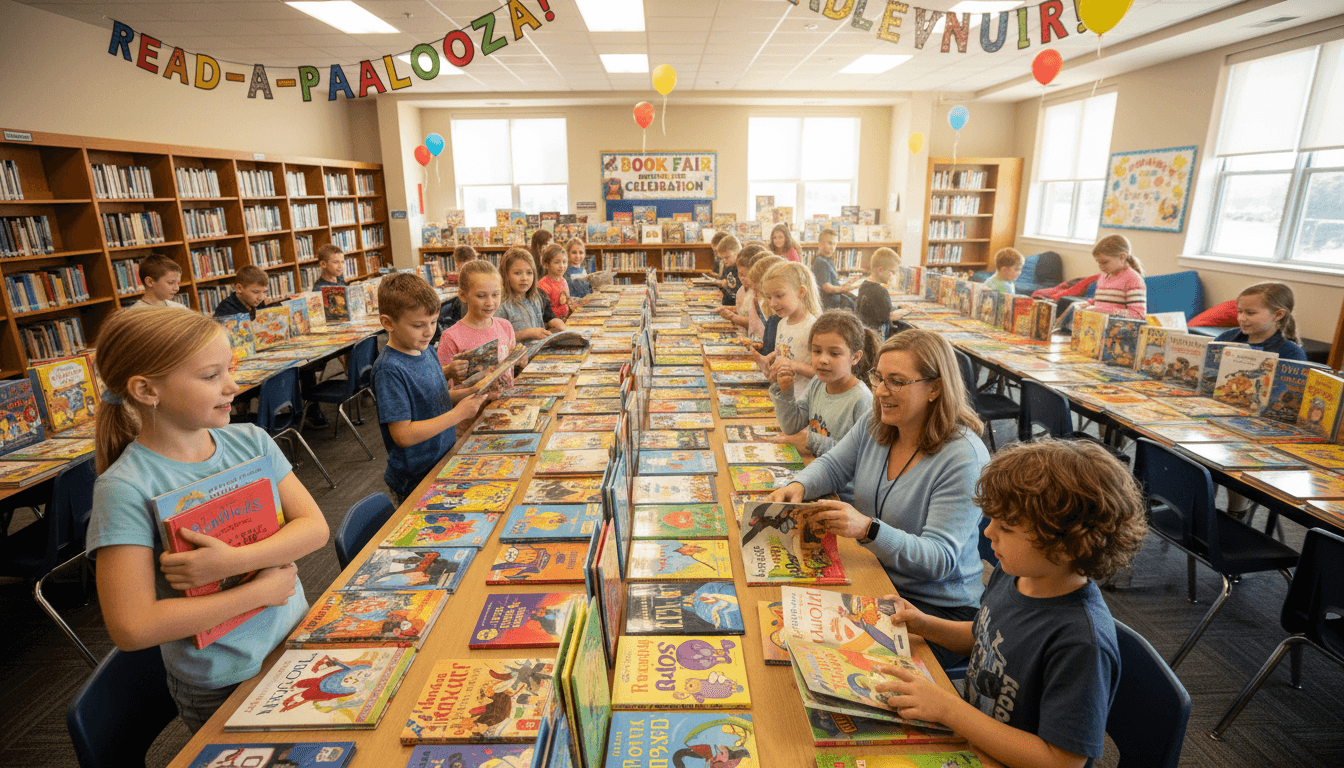
The school book fair is one of the most anticipated events of the year for students who love books and one of the most confusing logistical experiences for parents who receive a single flyer with no context. A clear, well-timed book fair newsletter sequence handles both problems.
Good book fair communication does two things at once: it gives families the practical information they need to participate, and it frames the event around reading rather than shopping. The second part matters more than most schools realize.
One week out: the full information newsletter
Send the opening book fair newsletter one week before the fair begins. This newsletter covers every logistical detail families need to participate without confusion.
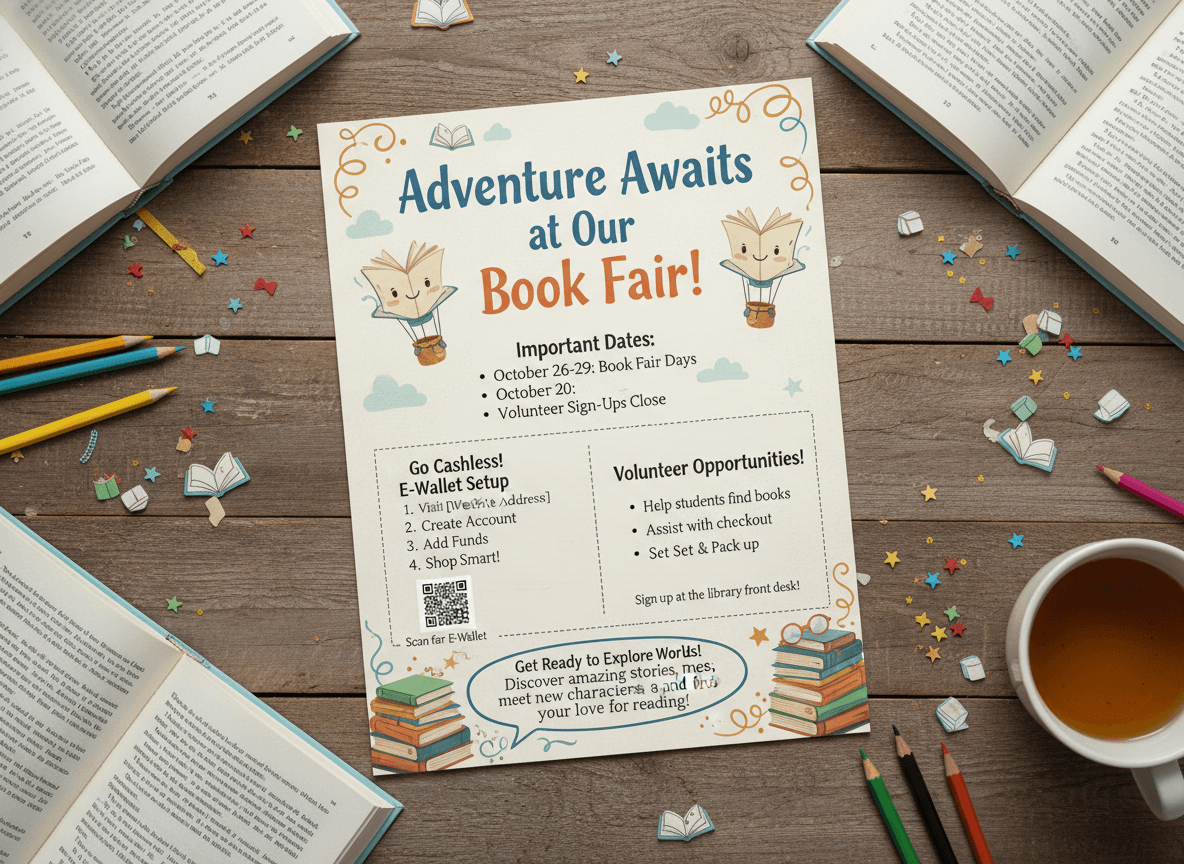
Include: the dates the fair is open, which days or time slots your class will visit, whether families can come independently during open hours, eWallet setup instructions (if your fair uses an online payment system), whether cash or check is accepted, and what the wish list process is if your school uses one.
eWallet and payment logistics
Scholastic and other book fair providers offer online payment systems that let families add funds to an account before their child visits the fair. These systems reduce the headaches of sending cash to school. They also confuse families who do not understand the setup process.
If your fair uses an eWallet or similar system, walk families through the setup in the newsletter. Include the specific link, the deadline for adding funds before the class visit, and what happens if a child arrives without funds loaded (can they use cash instead? can a teacher advance funds?). Families who do not understand the payment process often just send nothing and hope their child figures it out.
Classroom visit schedules
Many school book fairs involve class visits during the school day in addition to the general open-hours fair. Families need to know when their child's class is scheduled to visit so they can have funds ready by that day specifically, not just by the end of the fair week.
If your class visit is on Tuesday and the fair runs through Friday, families who plan to load eWallet funds on Wednesday have missed their child's opportunity to browse and buy during the class visit. Share the class schedule clearly in the newsletter.
Volunteer opportunities
Book fairs typically need parent volunteers to help students find books, handle payments, and manage the fair space during open hours. Your newsletter should include specific time slots that need coverage and a clear way to sign up. Vague requests for volunteers ("we would love parent help!") produce far fewer sign-ups than a specific list of open shifts with a sign-up link.
Building excitement around reading, not purchasing
The best book fair newsletters lead with reading, not shopping. Before you explain the eWallet or the payment process, spend a paragraph on why the book fair matters. Students who find a book they are genuinely excited about read more. The fair is a discovery experience, not just a retail event.
Ask families to talk with their child before the fair about what kinds of books they are interested in. What have they liked reading this year? What topic have they wanted to learn more about? A student who arrives at the book fair with a general sense of what they are looking for is more likely to find something meaningful than one who wanders without direction.
Consider including a short list of books teachers or librarians are recommending that will be available at the fair. This gives the newsletter a genuine reading-enthusiasm hook, not just a commercial one.
During the fair: a mid-week update
If the book fair runs for multiple days, consider a short mid-week note for families who have not yet visited or whose child's class visits later in the week. Include a reminder of the remaining open hours, a note about popular titles that are going quickly, and the eWallet or payment reminder for anyone who has not yet set up an account.
The post-fair recap
After the fair closes, send a brief recap newsletter. Share how much was raised if your fair supports a school fund (many Scholastic fairs include a book credit component that goes back to the classroom or library). Thank families and volunteers who participated. If possible, include a note about what the proceeds will fund: new library books, classroom libraries, a specific reading program.
The recap is also a good place to continue the reading conversation. Encourage families to ask their child what book they are most excited to read. Frame the purchase as the beginning of something, not the end of the event.
Scheduling the book fair sequence in Daystage
In Daystage, you can build the full book fair newsletter sequence before the fair week starts and schedule each send in advance. The opening newsletter, the class-visit reminder, and the post-fair recap are drafted once and delivered automatically. You stay focused on running the fair rather than remembering what newsletter needs to go home today.
The fair is about books, not just sales
Book fair newsletters that focus entirely on the purchase logistics miss the point of the event. A newsletter that balances clear logistics with genuine enthusiasm for books is more likely to produce families who show up engaged rather than families who show up with cash and no context for why any of it matters.
Get one newsletter idea every week.
Free. For teachers. No spam.
Frequently asked questions
When should schools send a school book fair newsletter?
Send the main book fair newsletter one week before the fair opens so families have time to set up eWallet accounts and prepare wish lists. A mid-fair update on day three or four keeps the energy up and reminds families of remaining time.
What should a school book fair newsletter include?
Include the fair dates and hours, classroom visit schedule so families know when their child will browse, eWallet setup instructions, accepted payment methods, and any volunteer opportunities. Add a reading-focused framing so the event feels like a literacy celebration rather than a shopping trip.
How far in advance should teachers send book fair communications to families?
One week is the right lead time for a book fair. Earlier communications tend to be ignored because the event feels too far off, and eWallet setup instructions sent more than a week out often result in families forgetting to act before the fair opens.
What are common mistakes in book fair newsletter communication?
Focusing entirely on purchasing logistics without connecting the fair to reading enthusiasm is the most common mistake. Another problem is not including the classroom visit schedule, which means families show up during their child's class time without knowing when students will actually be there.
What is the best tool to send a school book fair newsletter?
Daystage handles the book fair communication sequence from the pre-fair announcement to the mid-fair update to the post-fair recap. Scheduling all three newsletters in advance means you are not drafting communications mid-event when your attention is on running the fair.

Adi Ackerman
Author
Adi Ackerman is a former classroom teacher and curriculum writer with 8 years in K-8 schools. She writes about school communication, parent engagement, and what actually works in real classrooms.
More for School Events
Ready to send your first newsletter?
3 newsletters free. No credit card. First one ready in under 5 minutes.
Get started free