

School Bingo Night Newsletter: Family Fun Fundraiser
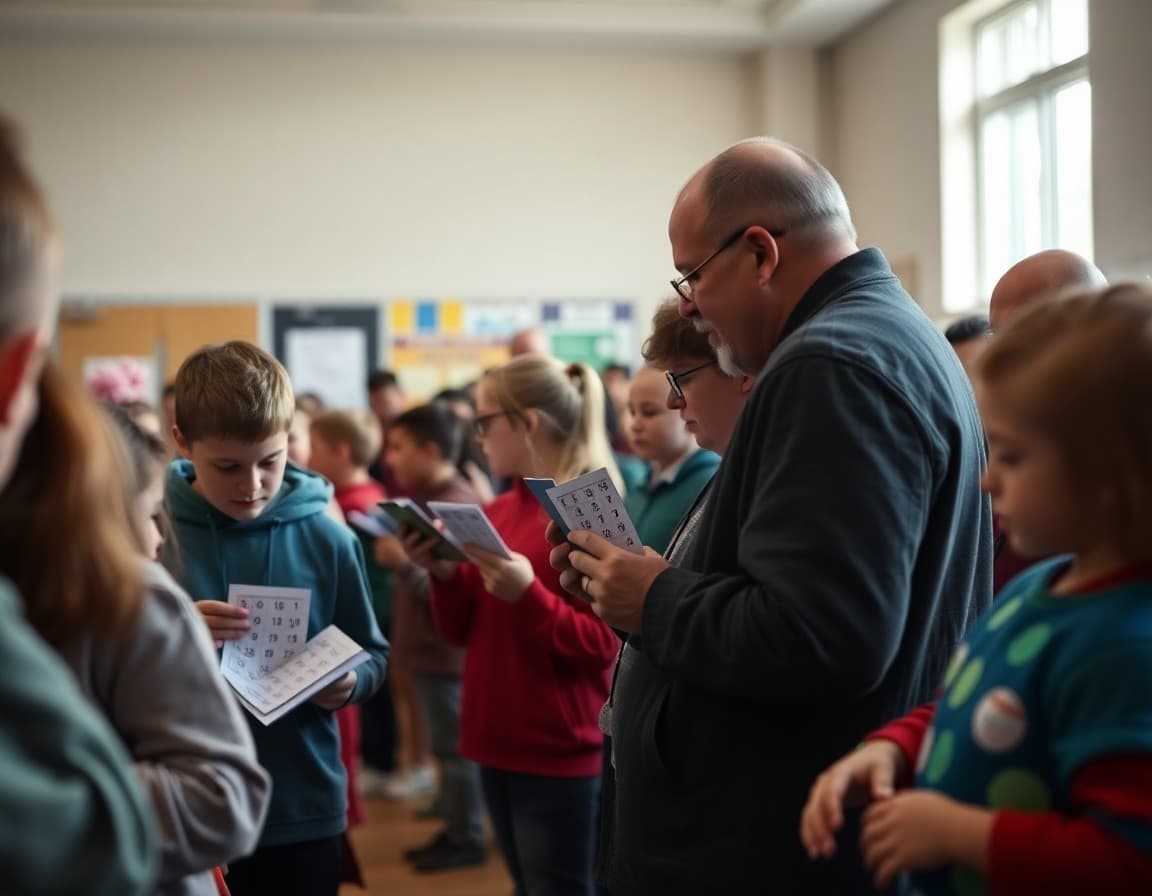
School bingo night has a reputation as a low-pressure, high-participation fundraiser for good reason. Nearly everyone knows how to play, the stakes are fun rather than competitive, and families with children of any age can participate. The newsletter around bingo night does not need to do heavy lifting, but it does need to get the logistics right so the event runs smoothly.
Lead with the fun, confirm the fundraising purpose
The invitation newsletter should open with the experience: "Join us for a night of bingo, prizes, and community on Friday, March 7 in the gym." Then confirm what the event supports: "All proceeds fund the fourth-grade overnight field trip in May."
Families are coming for the fun. They are willing to spend money because the cause is real and visible. Both parts of that equation belong in the first paragraph.
Explain the format and prize structure
Not everyone knows the format of a fundraiser bingo night. Be specific:
- How many games will be played (typically 8-12 for a two-hour event)
- Whether entry includes a set of cards for all games or families purchase cards per game
- Prize structure: what the winners of each game receive
- Whether there is a grand prize blackout game at the end
- Whether families can buy additional cards for more chances
A family who knows there are three $50 gift card prizes and one $150 grand prize basket will budget their card purchases accordingly. A family who does not know what prizes exist will be less motivated to buy extra cards.
Preview the prize table
Name the prizes. "This year's prize table includes gift cards to Amazon, Target, and local restaurants, sports equipment, a family movie night basket, and a school spirit package with a new hoodie and gear. Grand prize is a $150 Visa gift card." That is a compelling list that drives ticket purchases more than "great prizes" ever will.
If local businesses donated prizes, name them in the newsletter as a thank-you. It doubles as free advertising for the donor and models community partnership to families.
Confirm the food situation
Bingo nights often have a concession table. State whether food and drinks are included in entry, available for purchase, or whether families should eat before they come. A family with three hungry children who expected a meal and finds only packaged snacks will have a different night than they anticipated.
Set the ticket and admission logistics
Online ticket sales, at the door, or advance purchase only. Whether doors open at the same time as the event starts (it should not for a seated event with limited space). Parking notes if applicable. Whether adults must accompany children.
A school that sells out bingo night should communicate that clearly and quickly, with a waiting list option. A sellout is a success worth noting publicly, not a problem to hide.
Template: bingo night invitation paragraph
"Lincoln Elementary's Family Bingo Night is Friday, March 7 at 6:30 p.m. in the gymnasium. Entry is $10 per person and includes one bingo card per game. Additional cards available for $2 each. We will play 10 games with prizes at each, plus a $150 grand prize blackout game to close. Concessions will be available. Doors open at 6:15 p.m. Tickets are available in advance at [link] or at the door. All proceeds support the fourth-grade overnight field trip."
Recap with the total and the winners
The post-event newsletter can be brief. Report total raised, total attendance, grand prize winner (with permission), and a thank-you to organizers and prize donors. If the event was sold out or exceeded a previous year's total, say so.
A single family quote makes the recap feel personal: "Maria's kids said it was the most fun they have had at a school event all year. See you next year." That one sentence costs nothing and does more to build next year's attendance than any promotional language you write.
Get one newsletter idea every week.
Free. For teachers. No spam.
Frequently asked questions
What should a school bingo night newsletter include?
Cover the date, time, location, and ticket or entry information. Explain how the bingo format works: how many games will be played, what prizes look like (gift cards, donated baskets, school supplies), whether daubers are provided or families should bring their own, and whether there are food and drink available. If there is a minimum age for participants, state it. Clear logistics prevent confusion and keep the event running smoothly.
How do you sell more bingo night tickets through the newsletter?
The combination that works: an early-bird discount or bonus card for purchasing by a specific date, a clear statement of what the proceeds fund, and a preview of the prize table. Families who know they might win a $75 gift certificate or a themed gift basket bid differently than families who only know there will be prizes. Name the prizes in the newsletter.
How do you coordinate volunteers in the bingo night newsletter?
Send a separate volunteer newsletter with shift times, setup assignments, and the name of the volunteer coordinator. Do not put volunteer logistics in the general family invitation newsletter. Volunteers need to know when to arrive for setup, who is calling numbers, who manages the prize table, and who handles door sales. Separate the audiences.
What should the bingo night recap newsletter include?
Report total raised, number of families who attended, prize categories and winners if you tracked by name or class, and a thank-you to volunteers and prize donors. A photo or two from the evening rounds out the recap. Keep it brief: bingo night recaps do not need a narrative, just the results and the gratitude.
Does Daystage work for low-tech fundraiser events like bingo night?
Yes. Daystage is ideal for the pre-event invitation series and the post-event recap, regardless of how technically complex the event itself is. You can use the event block to show the bingo night schedule with game times, include links to ticket purchase pages, and send the morning-of reminder so families have everything in one place.

Adi Ackerman
Author
Adi Ackerman is a former classroom teacher and curriculum writer with 8 years in K-8 schools. She writes about school communication, parent engagement, and what actually works in real classrooms.
More for School Events
Anti-Bullying Day Newsletter: Communicating Your School's Commitment to Kindness
School Events · 6 min read
Back-to-School Picnic Newsletter: Building Community Before the First Bell
School Events · 5 min read
Career Day Newsletter: Communicating Before, During, and After the Event
School Events · 6 min read
Ready to send your first newsletter?
3 newsletters free. No credit card. First one ready in under 5 minutes.
Get started free