
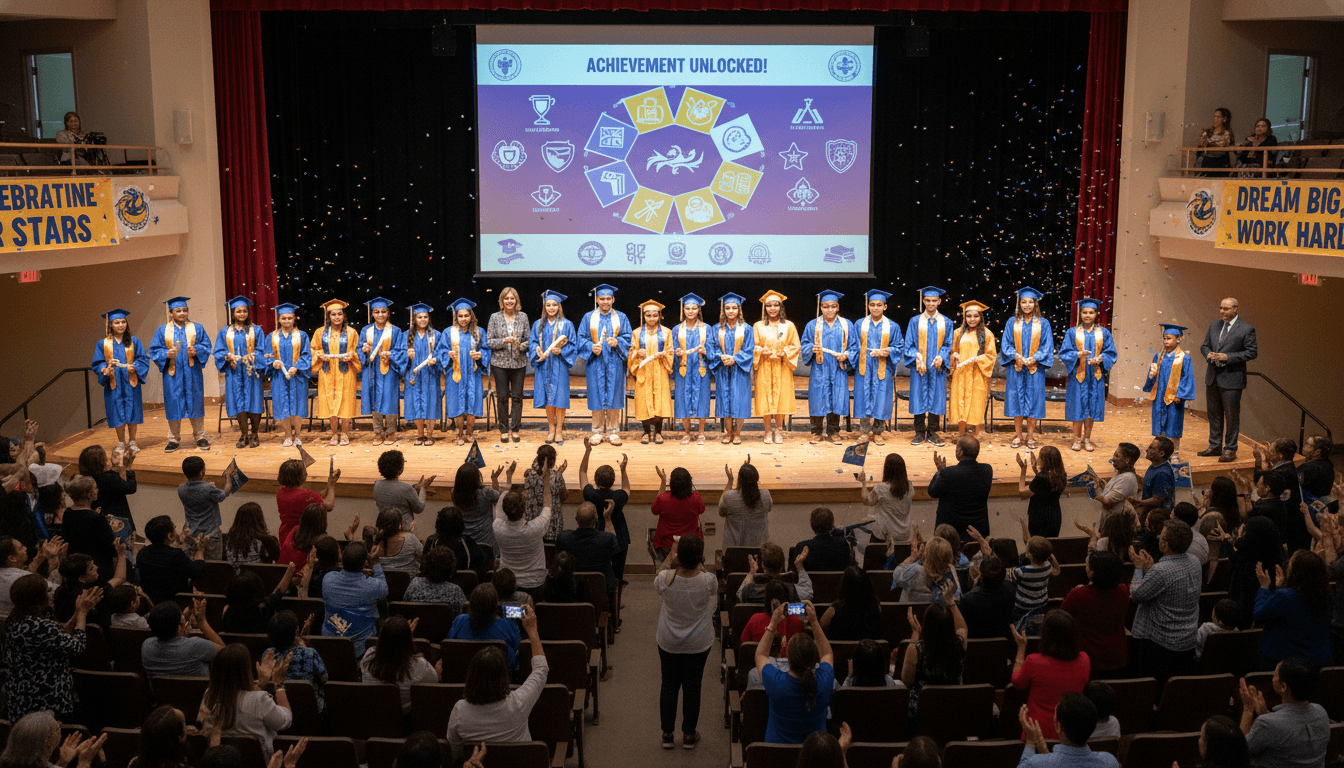
End of Year Awards Ceremony Newsletter: Celebrating Achievements Without Creating Anxiety

End-of-year awards ceremonies are among the most emotionally charged events on the school calendar. For families whose children receive awards, the event is a highlight. For families whose children do not, it can be an hour of watching other students be recognized while their own child sits quietly in the audience.
The newsletter that invites families to an awards ceremony has a specific responsibility: communicate what the ceremony involves in a way that allows every family to prepare their child for what to expect, whether their child is receiving an award or not. That responsibility is rarely taken seriously in school communication, with predictable results.
The expectation management problem
When families receive a newsletter about an upcoming awards ceremony without clear information about who receives awards, they almost always assume their child will be recognized. Children who are not expecting to be passed over have a visibly difficult time in the moment. Families sitting in the audience experience that alongside them.
This is not inevitable. A newsletter that clearly explains what categories of awards will be given, how recipients are selected, and what the ceremony experience will be like for students who are attending as audience members gives families the information they need to prepare an honest, warm conversation with their child before the event.
Communicating award categories clearly
List the categories of awards that will be presented in the newsletter. Academic achievement, attendance, improvement, leadership, arts, sports, community service. Give families a general sense of how recipients are selected for each. Not a list of names in advance, but enough information that families understand the selection criteria.
Families who know that the academic achievement award goes to the student with the highest GPA in the grade and that the improvement award goes to a student who showed the most growth over the year have context that helps them prepare their child. Families who know nothing about how awards are selected are left to guess, and guessing usually goes in the most optimistic direction.
Celebrating broadly before naming individuals
The newsletter's framing of the ceremony should celebrate the whole class or grade level before focusing on individual award recipients. A year of work, effort, and growth happened for every student. The ceremony recognizes a selection of that work with formal awards. Those are two different things, and the newsletter can honor both.
An opening paragraph that genuinely acknowledges what every student accomplished this year, and that names the awards as one way (not the only way) of recognizing that work, changes the emotional register of the communication. It is not a consolation for families whose children are not receiving awards. It is an accurate framing of what a school community accomplishes collectively.
Attendance logistics
- Date, time, and location: Include the ceremony start time and an approximate end time. Awards ceremonies frequently run longer than planned, and families who need to be somewhere afterward appreciate the heads-up.
- Where families should sit: Is seating general admission? Are there reserved rows for award recipients' families? Is there overflow seating with a video feed?
- Photography: State the photography policy clearly. Can families photograph from their seats? Is there a professional photographer? Are flash restrictions in place?
- Dress code: For students attending the ceremony, whether as recipients or audience members. Formal? School uniform? Casual?
- Whether all students are required to attend: Some awards ceremonies are mandatory for all students. Some are optional. State this clearly so families can plan accordingly.
Preparing students who will not receive awards
The newsletter can include a gentle, direct note to families about preparing their child for the experience. A sentence like "we encourage families to talk with their children before the ceremony about what it means to celebrate their classmates' recognition, and to identify something they are proud of from this year regardless of formal recognition" gives families permission to have that conversation and frames it as a positive one.
This is not a warning that their child will not receive anything. It is preparation for an experience that involves seeing peers recognized, which is genuinely valuable when approached thoughtfully.
The post-ceremony newsletter
After the ceremony, send a closing newsletter within two days. Congratulate all award recipients. Thank the families who attended. Celebrate the year as a whole with specific references to what the class or grade level accomplished together. Include any end-of-year logistics families need (last day of school, pickup procedures, summer resources).
This newsletter is the last one many families will receive before the summer. Make it warm and complete. Families who end the year feeling good about the school's communication are the ones who return in September ready to engage again.
Building the awards ceremony sequence in Daystage
In Daystage, the awards ceremony newsletter sequence is two sends: the pre-ceremony information newsletter and the post-ceremony celebration. Both can be drafted in advance and scheduled to send at the right time even during the chaotic final weeks of the school year. The open-rate data shows which families may have missed the pre-ceremony information, which is useful for following up personally with families who need the logistics.
Awards ceremonies leave lasting impressions
Students remember awards ceremonies, whether they received something or not. The newsletter that sets them up for that experience reflects the school's commitment to every student in the room, not just the ones whose names will be called. That is what good end-of-year communication does. It closes the year in a way that makes every family feel that their child mattered to the school, regardless of what was handed out on stage.
Get one newsletter idea every week.
Free. For teachers. No spam.
Frequently asked questions
When should schools send an end of year awards ceremony newsletter?
Send the first newsletter three weeks before the ceremony so families can arrange schedules and request time off work. Follow with a one-week reminder that repeats logistics, then a brief day-before note with only the time and location.
What should an end of year awards ceremony newsletter include?
Include the ceremony date, start time, location, and expected duration. List the award categories being presented, explain who is eligible for each, and describe what families should do if their child is receiving an award versus attending as an audience member.
How far in advance should teachers communicate awards ceremony details to parents?
Three weeks is the minimum for an awards ceremony because families may need childcare for younger siblings, travel arrangements, or time off work. One week is not enough lead time for an event this significant in the school calendar.
What are common mistakes in awards ceremony newsletter communication?
The most common mistake is building up suspense without telling families whether their child is receiving an award, which creates anxiety rather than excitement. Sending only a single notice the week before is also common and leads to low attendance and families showing up confused about the schedule.
What is the best tool to send an end of year awards ceremony newsletter?
Daystage lets you build the full awards ceremony communication sequence, schedule each newsletter in advance, and send directly to parent contacts without managing a separate email list. The timing and sequencing features make it straightforward to coordinate a three-touch sequence without things slipping.

Adi Ackerman
Author
Adi Ackerman is a former classroom teacher and curriculum writer with 8 years in K-8 schools. She writes about school communication, parent engagement, and what actually works in real classrooms.
More for School Events
Ready to send your first newsletter?
3 newsletters free. No credit card. First one ready in under 5 minutes.
Get started free