
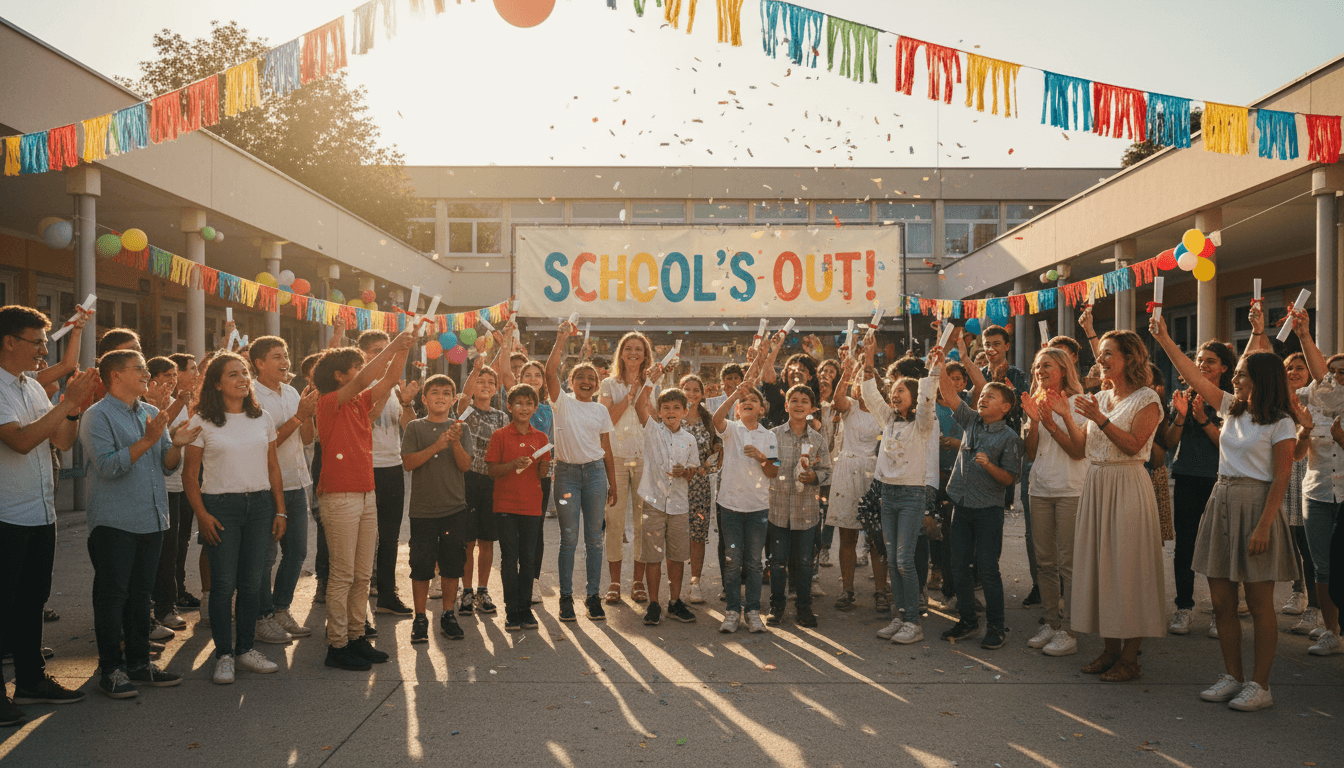
End-of-Year STEM Program Newsletter: Showcasing Projects and Preparing for Next Year
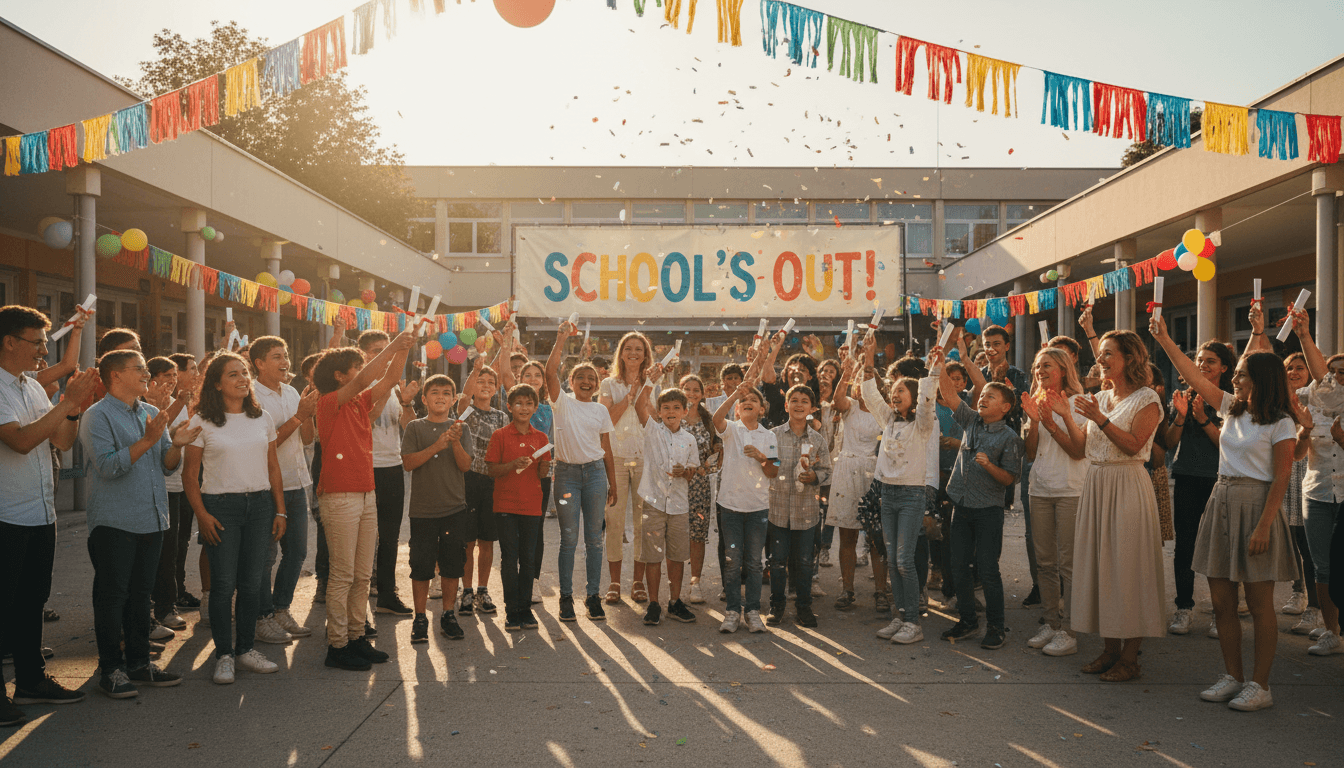
STEM families come to the end-of-year newsletter expecting specifics. They want to know what their child built, coded, designed, or discovered. They want to know how the program stacks up against what was promised and what is coming next. A general school-close newsletter does not satisfy that audience. A program-specific one does.
Lead With What Students Actually Made or Discovered
The most powerful opening for a STEM end-of-year newsletter is a concrete project description. Not "students engaged in innovative problem-solving activities." What did they build? What did they test? What problem did they try to solve, and how far did they get?
"Eighth graders this year designed, built, and tested a soil moisture monitoring system using Arduino microcontrollers and wrote the code that read sensor data. Three teams had working prototypes by April. All three are entering the county science fair." That is a paragraph families share with grandparents.
Report on Competitions and External Achievements
If students competed, report the results. Regional science fair placements. Robotics tournament finishes. Coding competition scores. Maker challenge outcomes. Name the students who participated. Families who drove to early Saturday competitions and funded kits and supplies deserve to see the result acknowledged.
If results were mixed, that is still worth naming. "Our robotics team finished fourth in the state tournament, up from fourteenth last year. That jump represents real growth." Honest progress is more compelling than hiding anything short of a first-place finish.
Describe New Equipment or Curriculum Coming Next Year
STEM families make program decisions based on what is available. If new equipment, software, or curriculum will be in place in September, mention it. New 3D printers. An expanded maker space. A new computer science elective. An industry partnership. Families who know what is coming are more likely to stay enrolled and more likely to support the program actively.
Recommend Summer STEM Resources With Context
Do not just list programs. Explain who each is best for. "This program is designed for students who want to go deep on Python. If your child has been coding for a year or more, this is the right summer option. If they are just starting, look at [alternative program]." That level of guidance helps families choose rather than browse.
Close With Why This Work Matters
STEM teachers are often driven by a belief about what these skills will make possible for students. The end-of-year newsletter is one of the few places to say that out loud. Not a marketing line. A genuine statement about what you saw students become capable of this year and why it matters. Families who chose a STEM program chose it because they believe something too. Remind them what that was.
Get one newsletter idea every week.
Free. For teachers. No spam.
Frequently asked questions
What should a STEM end-of-year newsletter highlight?
Feature specific student projects or competition results, equipment or curriculum additions for next year, summer STEM camp or program options with links, and any changes to the program's structure or schedule. Families in STEM programs tend to be engaged with the specifics of what their children are learning.
How do you communicate STEM project outcomes to families who are not technical?
Lead with what the students built or solved, not the technical method. 'Students designed a water filtration system that removed 94% of sediment from a sample water source' tells a non-technical parent exactly what their child accomplished. Then you can add the technical detail for those who want it.
Should a STEM newsletter mention competitions and results?
Yes, and be specific. Competition names, placements, and student names with permission. Families who supported a student through months of robotics or science fair preparation want to see that work acknowledged. Vague references to 'great results at competitions this year' miss the opportunity.
What summer STEM resources should the newsletter include?
Focus on programs that match the age range and interest level of your students. University STEM summer camps, coding programs, local makerspace events, and online platforms with project-based learning. Include cost information or scholarship availability when you have it. Families make decisions based on specifics.
How does Daystage help STEM programs stay connected with families?
Daystage lets STEM coordinators send regular program updates in a format families already recognize, so end-of-year communications feel like a continuation of consistent outreach rather than a one-time wrap-up letter.

Adi Ackerman
Author
Adi Ackerman is a former classroom teacher and curriculum writer with 8 years in K-8 schools. She writes about school communication, parent engagement, and what actually works in real classrooms.
More for End of Year
Ready to send your first newsletter?
3 newsletters free. No credit card. First one ready in under 5 minutes.
Get started free