
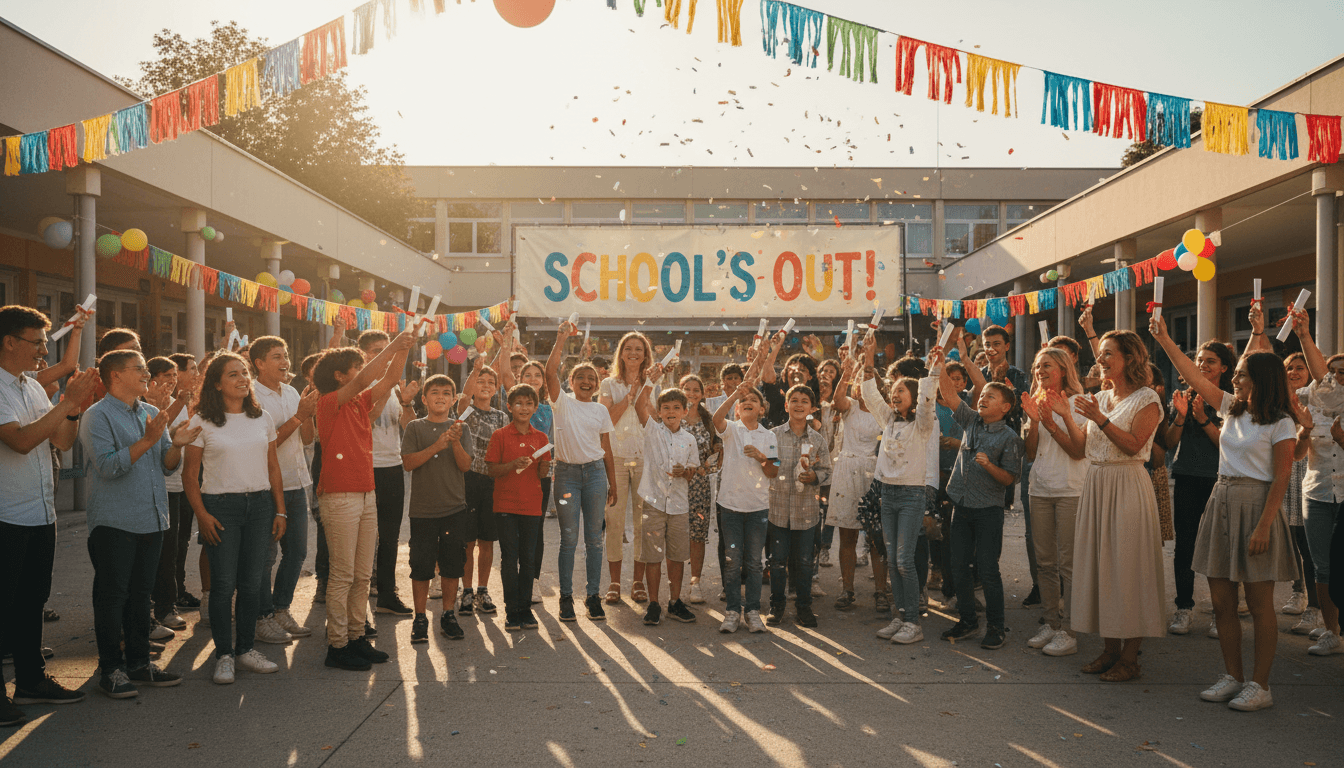
End of Year Art Show Newsletter Guide
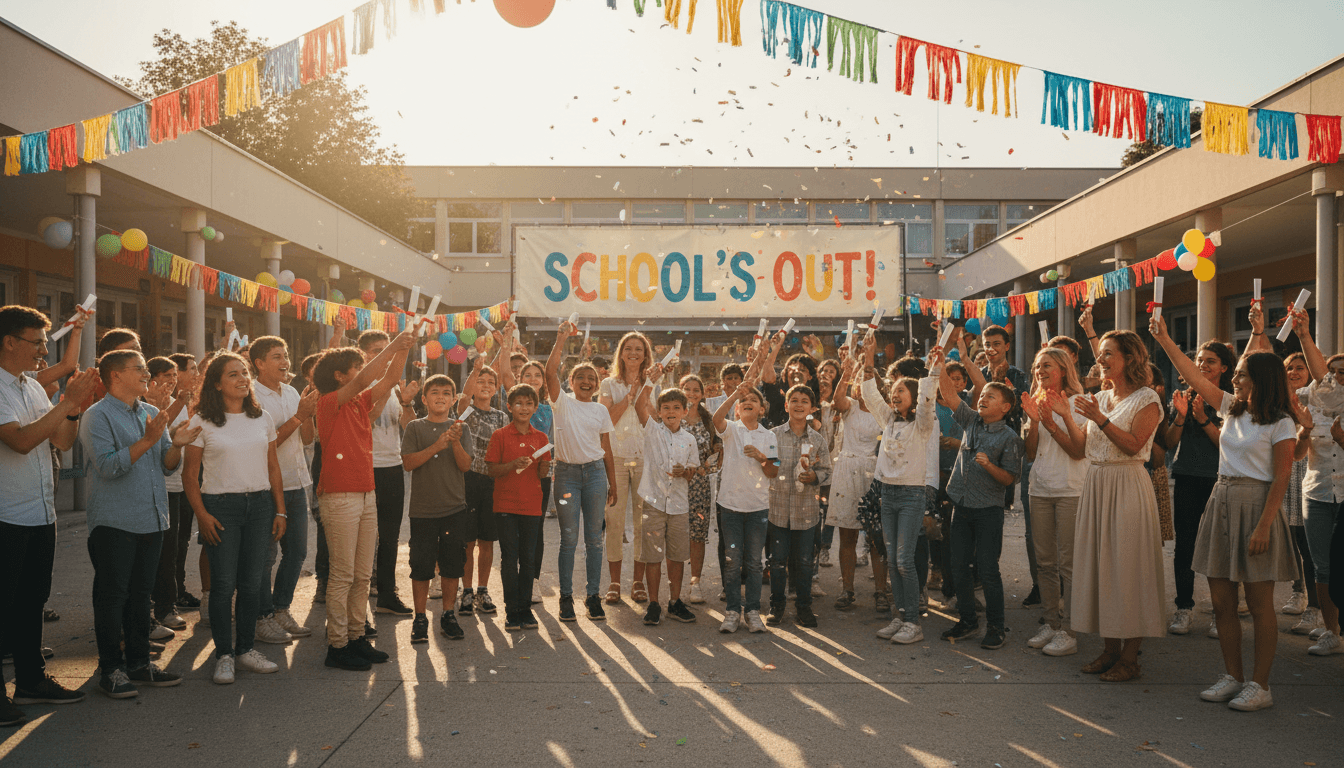
The end-of-year art show is one of the most powerful community events a school can host. Every student has work displayed. Every family has a reason to attend. The newsletter before the event is what builds the anticipation that turns a gallery walk into a real celebration.
The art show invitation newsletter
Subject line: [School Name] End of Year Art Show is [date]: your child's work is on the walls
Opening: Every student at [School Name] has work in this year's end-of-year art exhibition. Come see what your child created. The show opens [date] at [time] and runs through [end date/time]. Here is everything you need to know.
What families will see
Describe the work that will be on display. What grades are featured? What media did students work in this year? Are there any themes or concepts that ran through the year's art curriculum?
"This year students worked in watercolor, collage, clay, and digital illustration. The exhibition includes pieces from every grade level, kindergarten through fifth grade. Younger students explored color and pattern; older students focused on perspective and narrative. You will see all of it."
Give families a brief description of the theme or learning focus behind the work. Families who understand what students were trying to create experience the art more richly than families who see it without context.
Event logistics
Cover the practical details: date, time, location within the school, whether the gallery is open for a specific window or is drop-in throughout a day, whether students attend with families or if there is a separate student viewing time, any parking considerations, and whether refreshments will be available.
If the school is hosting an opening reception, describe it. If the exhibition will be up for multiple days, give the full window so families can choose a time that works for them.
How every student is represented
State clearly that every student has work in the show. This matters for families of students who are sometimes excluded from selective showcases. The end-of-year art show should be the event where every family comes because every family's child is on the walls.
"Every student from every classroom has at least one piece in the exhibition. When you arrive, you can look for your child's work by checking the gallery map at the entrance or by going directly to their grade-level section."
A note on what the year built
Close with a brief reflection on what students developed over the year through art. Not just technical skills, but the ability to observe closely, to try something and start over, to express ideas visually, to see their own work as worth showing. These are the outcomes that matter beyond the aesthetics of any single piece.
Get one newsletter idea every week.
Free. For teachers. No spam.
Frequently asked questions
When should the art show newsletter go out?
Two weeks before the event is ideal. Families who know the art show is coming have time to arrange schedules, tell grandparents who might want to attend, and prepare students for the experience of showing their work. A reminder one week before and the day before keeps attendance high.
What should an end-of-year art show newsletter include?
The event details including date, time, and location, what grades and media will be featured, how the work will be displayed, whether every student's work is included (and the answer should be yes), any program or guided walk component, whether students should attend with families, and any reception elements like light refreshments.
How do you write about the art show in a way that makes families genuinely want to attend?
Talk about the art specifically. 'Students have spent the last month working in [media] exploring themes of [topic]. You will see paintings, sculptures, and mixed media pieces from every grade level' is more compelling than 'please join us to see your child's artwork.' Give families a preview of what they will experience.
How do you handle families who cannot attend the art show?
Ensure students can take their artwork home after the show and offer digital photos of the displayed work for families who could not attend. A brief follow-up newsletter with classroom photos from the show extends the celebration to families with attendance barriers.
How does Daystage help with art show communication?
Daystage lets art teachers or classroom teachers build the art show invitation, schedule reminders, and send a follow-up recap with photos after the event. The photo-sharing capability is particularly valuable for an art show because it extends the celebration beyond the families who could attend in person.

Adi Ackerman
Author
Adi Ackerman is a former classroom teacher and curriculum writer with 8 years in K-8 schools. She writes about school communication, parent engagement, and what actually works in real classrooms.
More for End of Year
Ready to send your first newsletter?
3 newsletters free. No credit card. First one ready in under 5 minutes.
Get started free