
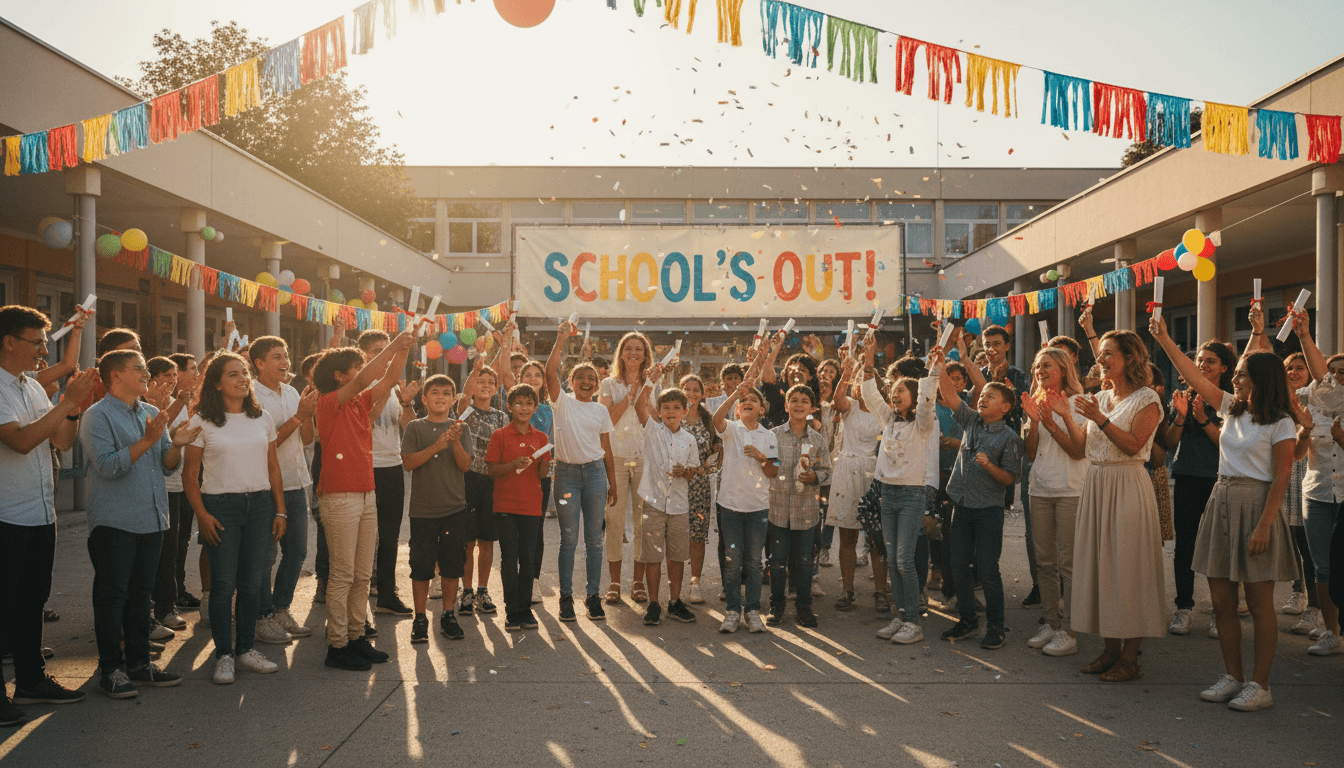
End of Year Social Emotional Learning Newsletter Guide
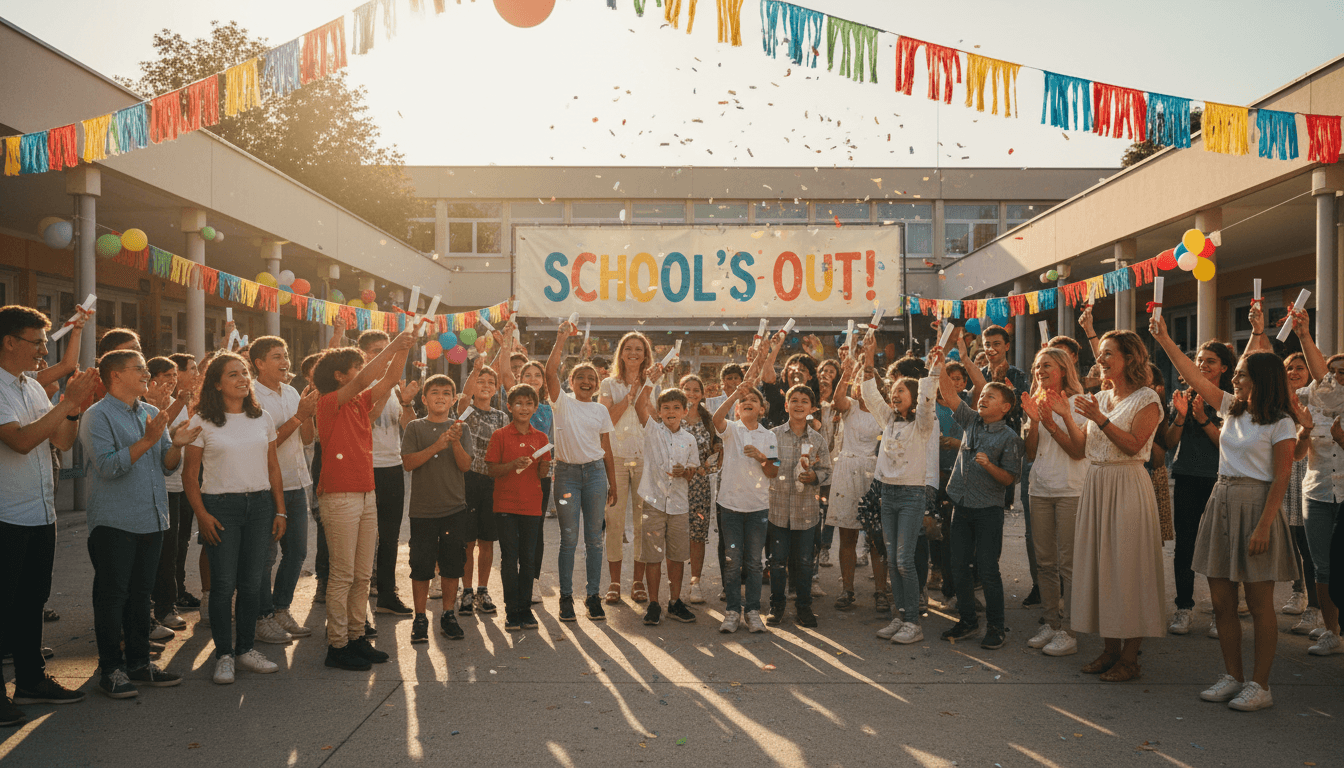
Academic skills get measured, reported, and discussed at length. Social-emotional skills often go unnamed, even though they are what make academic learning possible and what families care most about when they think about who their child is becoming. The end-of-year SEL newsletter names what was built.
The social-emotional newsletter structure
Subject line: More than grades: the social and emotional skills your child built this year
Opening: Before the year ends, we want to share something the report card does not cover: the social and emotional skills students developed this year. These are the skills that make learning possible and that last far beyond any single school year.
Social-emotional skills the class practiced this year
Describe two or three specific SEL skills the class worked on explicitly. Be concrete. "We spent a lot of time this year on what to do when you are stuck on a problem and feel like giving up. Students practiced recognizing that feeling and asking themselves whether they had tried something different or asked for help before deciding they could not do it. By spring, most students were choosing persistence over quitting much more consistently."
One story from the class that illustrates the skill in action is more memorable than a list of competencies. If you can describe a moment without identifying specific students, use it.
What this means for how your child learned
Connect the SEL skills to academic learning. "Students who learned to regulate frustration were more likely to ask for help when they were stuck, which meant they got through hard problems instead of avoiding them. Students who practiced listening during class discussions were more likely to change their thinking when they heard a different perspective." Families understand SEL better when they see how it connects to what they already care about.
The end-of-year transition
Name the social-emotional reality of the end of the school year. Leaving classmates and a teacher is a real loss, even when summer is exciting. Moving to a new grade and a new teacher is a real uncertainty. "It is completely normal for students to feel a mix of excitement and sadness about the year ending. Both feelings can be true at the same time."
Give families language for the transition: "If your child seems sad, frustrated, or anxious about the end of the year, that is a healthy response to a real transition, not a problem to fix. Naming the feeling and letting it exist alongside the excitement is usually the most helpful thing a family can do."
Conversation starters for summer
Give families specific questions to ask their child over the summer that reinforce the year's social-emotional work:
- What is something that was hard for you this year that you got better at?
- Who helped you when you were stuck? How did you ask?
- What is something about your class this year that you will miss?
- What are you looking forward to and nervous about for next year?
Keeping SEL skills alive over the summer
Close with one or two ways families can reinforce social-emotional skills without structured programs: reading books with characters who navigate difficult emotions and discussing them together, talking about how family members manage frustration or disagreement in real time, and modeling asking for help when adults need it. The most powerful SEL is in the small daily moments, not formal programs.
Get one newsletter idea every week.
Free. For teachers. No spam.
Frequently asked questions
Why does social-emotional learning deserve its own end-of-year newsletter?
Academic progress gets covered in report cards and curriculum newsletters. Social-emotional growth rarely does. But families care about who their child is becoming, not just what scores they earned. A newsletter that names the social and emotional skills students built over the year gives families language to recognize and reinforce that growth at home over the summer.
What social-emotional skills are appropriate to highlight in an end-of-year newsletter?
Self-regulation and managing big emotions, collaboration and conflict resolution, empathy and perspective-taking, persistence through difficulty, and the ability to ask for help. These are the skills explicitly taught in most SEL programs and the ones families are best positioned to reinforce at home with the right language and prompts.
How do you communicate about social-emotional growth without it feeling like a behavioral report?
Write about the whole class's growth rather than individual students, and frame skills in terms of capabilities rather than behaviors. 'Students this year practiced slowing down when they felt frustrated and trying a different approach before asking for help. Most students got significantly better at this' is a growth story. 'Students worked on controlling their behavior' is a behavioral report. The framing matters.
What does the end-of-year transition mean for students socially and emotionally?
End of year brings real grief and anxiety for many students. Leaving a teacher and classmates they spent a year with is a genuine loss. Moving to a new teacher and class is a genuine uncertainty. An SEL newsletter that names these feelings, normalizes them, and gives families language to talk about them helps students process the transition more smoothly.
How does Daystage help with end-of-year SEL communication?
Daystage lets teachers schedule the social-emotional newsletter to arrive in the final two weeks of school, when the emotional weight of the transition is highest. Including conversation starters that families can use directly with their children makes the newsletter immediately actionable rather than informational only.

Adi Ackerman
Author
Adi Ackerman is a former classroom teacher and curriculum writer with 8 years in K-8 schools. She writes about school communication, parent engagement, and what actually works in real classrooms.
More for End of Year
Ready to send your first newsletter?
3 newsletters free. No credit card. First one ready in under 5 minutes.
Get started free