
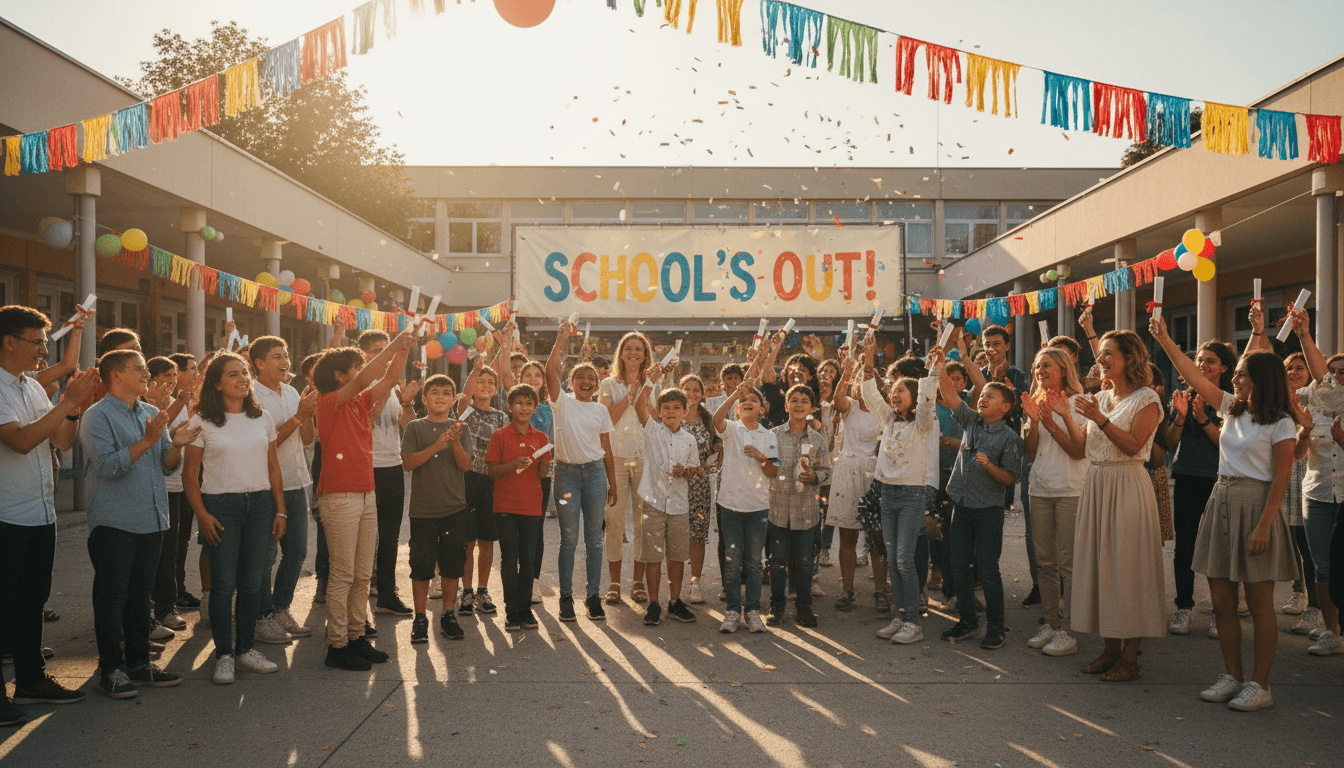
End-of-Year Newsletter for Kindergarten Families
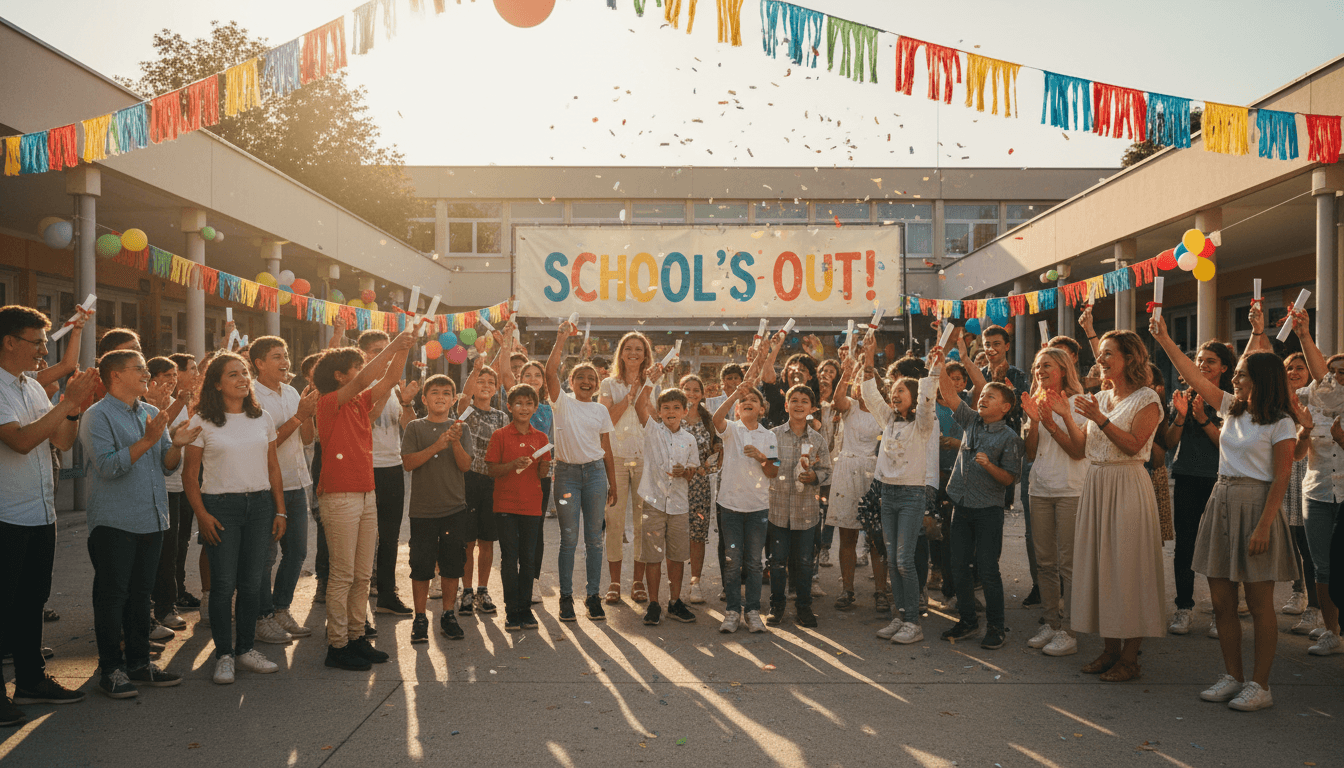
For many kindergarten families, this is the first end-of-year newsletter they have ever received from a school. They are not sure what is supposed to happen next. They are anxious about first grade. They want to know if their child did okay.
The end-of-year newsletter for kindergarten families has more emotional weight than most grade-level newsletters. Here is how to write it.
Address the First-Grade Question First
Most kindergarten parents will read the entire newsletter looking for clues about whether their child is ready for first grade. Address it directly so they stop scanning and start reading.
"Your child has spent this year building the reading, writing, and math foundation that first grade expects. I am proud of the growth every student in our class showed this year, and they are ready for what comes next."
You cannot make this promise individually in a newsletter. But most kindergarten classes end the year with kids who are promotion-ready. Families who have concerns have likely already heard from you. The newsletter can speak to the group.
Explain When and How They Will Learn Their First-Grade Teacher
This is the single most asked question in June among kindergarten families. If placements have been finalized and communicated, remind families of the process. If they have not yet been communicated, give a specific date.
"First-grade teacher assignments will be mailed home the week of June 23rd. If you have a concern about placement, the deadline to contact the office is June 15th."
A specific date stops families from emailing the school every day. "Assignments will be sent home soon" generates more follow-up than a specific date.
Describe What Your Child Learned This Year
Kindergarten parents, especially first-time school parents, often have a vague sense of what happened academically. Help them see it concretely.
"In September, most students were writing their names and recognizing letters. By June, every student in our class is reading short books independently and writing complete sentences with punctuation. In math, we moved from counting to addition and subtraction within 20."
Naming the before and after makes the growth real. Parents who see it described concretely understand what a remarkable year their child had, even if the progress felt slow from inside it.
Give Summer Support That Is Actually Specific
Every kindergarten newsletter recommends reading over the summer. Very few tell families what that actually means.
"Fifteen to twenty minutes of reading aloud together, three to four times a week, is enough. Books at their level are fine. Books above their level are also fine if you read together. The goal is to keep words familiar, not to advance the grade level."
Specificity removes the anxiety. A parent who knows "15 minutes, 4 times a week" can do that. A parent who is told "read together over the summer" does not know if they are doing enough.
Acknowledge the Milestone
Kindergarten is a real transition. It was the first year of school for many of these children. That is worth naming.
"I know September felt scary for a lot of our families. That is normal. Watch your child walk into first grade in September. That is the person this year built."
Kindergarten teachers carry a unique relationship with the families in their class. The end-of-year newsletter is the right place to close that chapter with the weight it deserves.
Get one newsletter idea every week.
Free. For teachers. No spam.
Frequently asked questions
When should kindergarten teachers send the end-of-year newsletter?
Send it the week before the final week of school, once teacher placements for first grade have been communicated or a date for that communication has been set. Kindergarten families are especially anxious about the first-grade transition, and the newsletter should address that timeline directly.
What do kindergarten parents most want to know at the end of the year?
Whether their child is ready for first grade, who their teacher will be next year, and what they can do over the summer to support their child. Address all three, even briefly. Leaving any of them unanswered generates a flood of individual parent emails.
How should a kindergarten end-of-year newsletter address first-grade readiness?
Keep it general and positive unless a child has been separately identified for retention or support. A sentence like 'Your child has built the reading and math foundation they need for first grade' reassures the majority of families without overpromising for any individual student.
What is the kindergarten-specific mistake in end-of-year newsletters?
Forgetting that many kindergarten families are first-time school parents. They do not know what a report card means, how first grade differs from kindergarten, or what summer bridge programs exist. The newsletter should explain things the school considers obvious because nothing is obvious to a first-time school parent.
Can Daystage help kindergarten teachers send end-of-year newsletters?
Daystage is built for classroom teachers who want to send a polished, consistent newsletter without spending an hour formatting it. Kindergarten teachers use it to write and send the end-of-year newsletter in the same format families have seen all year, which makes the final issue feel like a familiar close rather than a surprise announcement.

Adi Ackerman
Author
Adi Ackerman is a former classroom teacher and curriculum writer with 8 years in K-8 schools. She writes about school communication, parent engagement, and what actually works in real classrooms.
More for End of Year
Ready to send your first newsletter?
3 newsletters free. No credit card. First one ready in under 5 minutes.
Get started free