
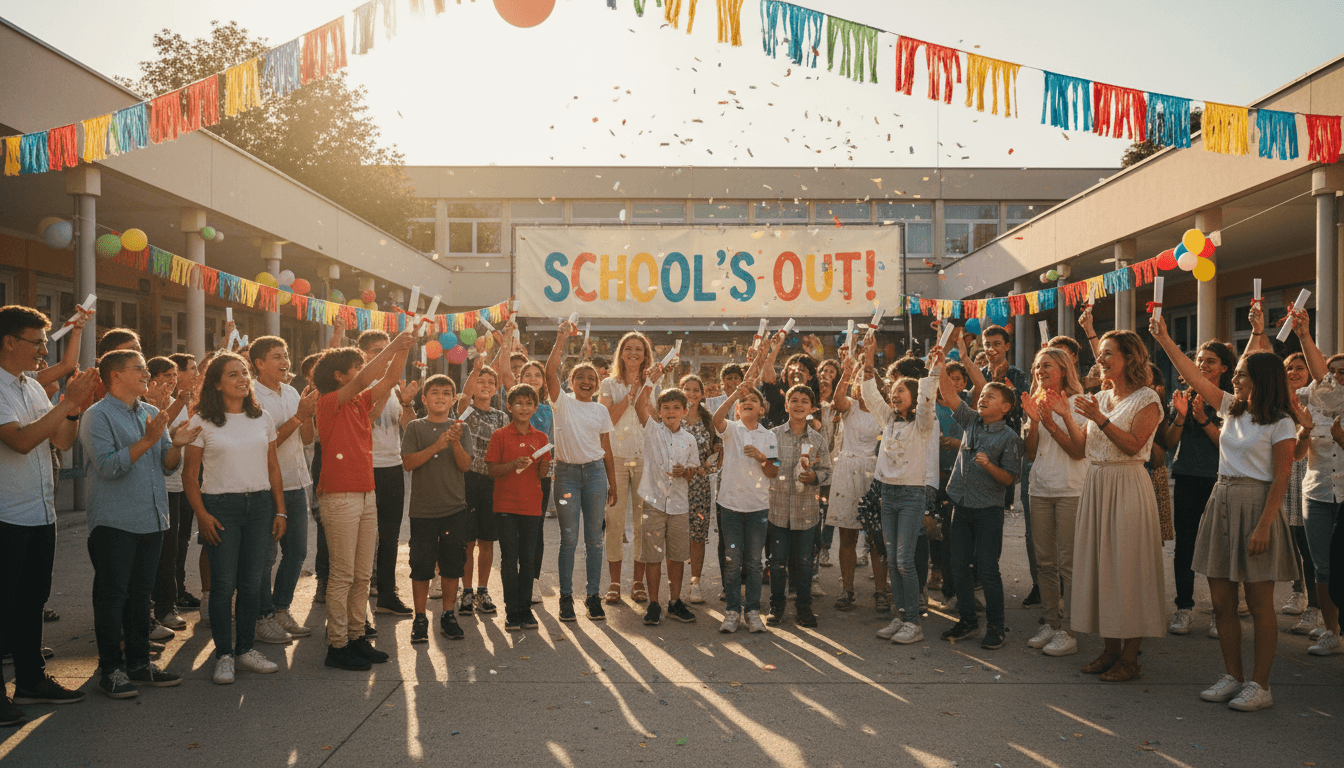
End of Year Curriculum Completion Newsletter Guide
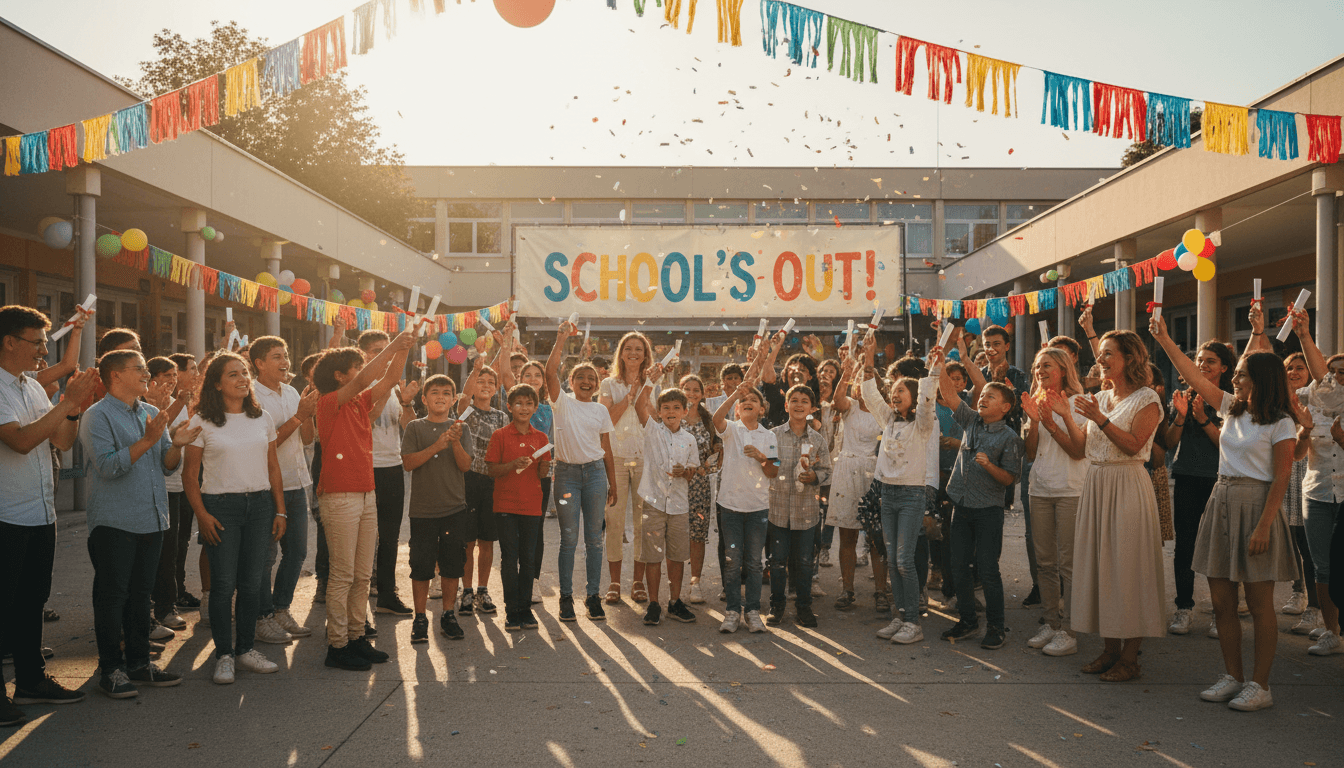
The curriculum completion newsletter tells the story of the year that a report card cannot. It describes what students worked through together, what problems they wrestled with, what skills they built, and what they can now do that they could not do in September. For families, it is the context that makes the report card meaningful.
The curriculum completion newsletter structure
Subject line: Looking back at [grade]'s year: what your child learned and accomplished
Opening: As we close out the year, here is a summary of what we covered in [grade] and what students are taking with them into [next grade]. This is not a performance review. It is a story of what the class built together.
Reading and literacy highlights
Describe the year's reading and writing curriculum. What books did the class read together? What writing projects did students complete? What literacy skills were the focus of instruction?
Name specific titles and projects. "We read [book] in October to introduce our theme of community and belonging. Students wrote personal narratives in November and December, and in the spring we completed our first full research paper using multiple sources." Specific details make the year feel real and memorable.
Math highlights
Cover the major math units and the skills students developed. What concepts were introduced this year for the first time? What foundational skills were built and reinforced? What should students be able to do with confidence as they head into next year?
A sentence or two on fluency goals and where students landed is useful. "By the end of the year, most students have solid multiplication fact fluency through 10x10 and can apply those facts in multi-step problems."
Science and social studies highlights
A brief overview of the main units in each content area. What did students study? What projects or investigations did they complete? What questions drove the learning?
What students are ready for next year
Close the academic summary with a forward-looking statement. What has this year built that next year will build on? What skills are students taking into [next grade] that they were not ready for in September?
"Students are heading into [next grade] with strong foundational reading skills, a solid understanding of place value and operations, and the habits of a curious and persistent learner. They are ready."
Summer maintenance suggestions
Give families two or three specific things they can do over the summer to maintain what the year built:
- Read for 20 minutes a day, choosing books your child finds genuinely interesting
- Practice [specific math skills for the grade] for 10 minutes several times a week
- Talk about interesting things your child notices, asks about, or wonders about - the habit of curiosity is the most important thing to maintain over the summer
Get one newsletter idea every week.
Free. For teachers. No spam.
Frequently asked questions
What is a curriculum completion newsletter?
A curriculum completion newsletter summarizes what students covered academically during the year. Unlike a report card, which focuses on individual student performance, the curriculum newsletter describes what the whole class worked through: the main units, skills developed, books read, projects completed. It gives families a shared picture of what the year produced.
What should a curriculum completion newsletter include?
The major curriculum units covered in each subject, the skills students built over the year, any notable class projects or culminating work, what students are now prepared to do that they could not do in September, and what families can do over the summer to maintain and build on the year's progress.
How is the curriculum completion newsletter different from the report card?
The report card is about an individual student's performance. The curriculum completion newsletter is about the class as a whole and the year's academic arc. A family reads both together to understand: here is what the class worked on (newsletter), and here is how my child performed relative to those expectations (report card).
How do you make a curriculum completion newsletter feel celebratory rather than clinical?
Write in first person and describe the year with genuine enthusiasm for what students accomplished. 'We spent the whole month of February building our understanding of fractions. By the end, students could explain why 3/4 and 6/8 are the same number - which is a hard concept that takes time' tells the story of learning in a way that clinical curriculum language cannot.
How does Daystage help with end-of-year curriculum communication?
Daystage lets teachers build a detailed curriculum completion newsletter and schedule it to arrive before the last week of school, when families are most focused on the year's close. Including summer maintenance tips alongside the curriculum summary makes the newsletter useful both as a celebration and as a practical guide.

Adi Ackerman
Author
Adi Ackerman is a former classroom teacher and curriculum writer with 8 years in K-8 schools. She writes about school communication, parent engagement, and what actually works in real classrooms.
More for End of Year
Eighth Grade Promotion Newsletter: What Families Need for the Big Transition to High School
End of Year · 6 min read
End-of-Year District Newsletter: What Superintendents and Comms Teams Need to Cover
End of Year · 6 min read
End-of-Year Reflection Newsletter from Teacher to Families
End of Year · 6 min read
Ready to send your first newsletter?
3 newsletters free. No credit card. First one ready in under 5 minutes.
Get started free