
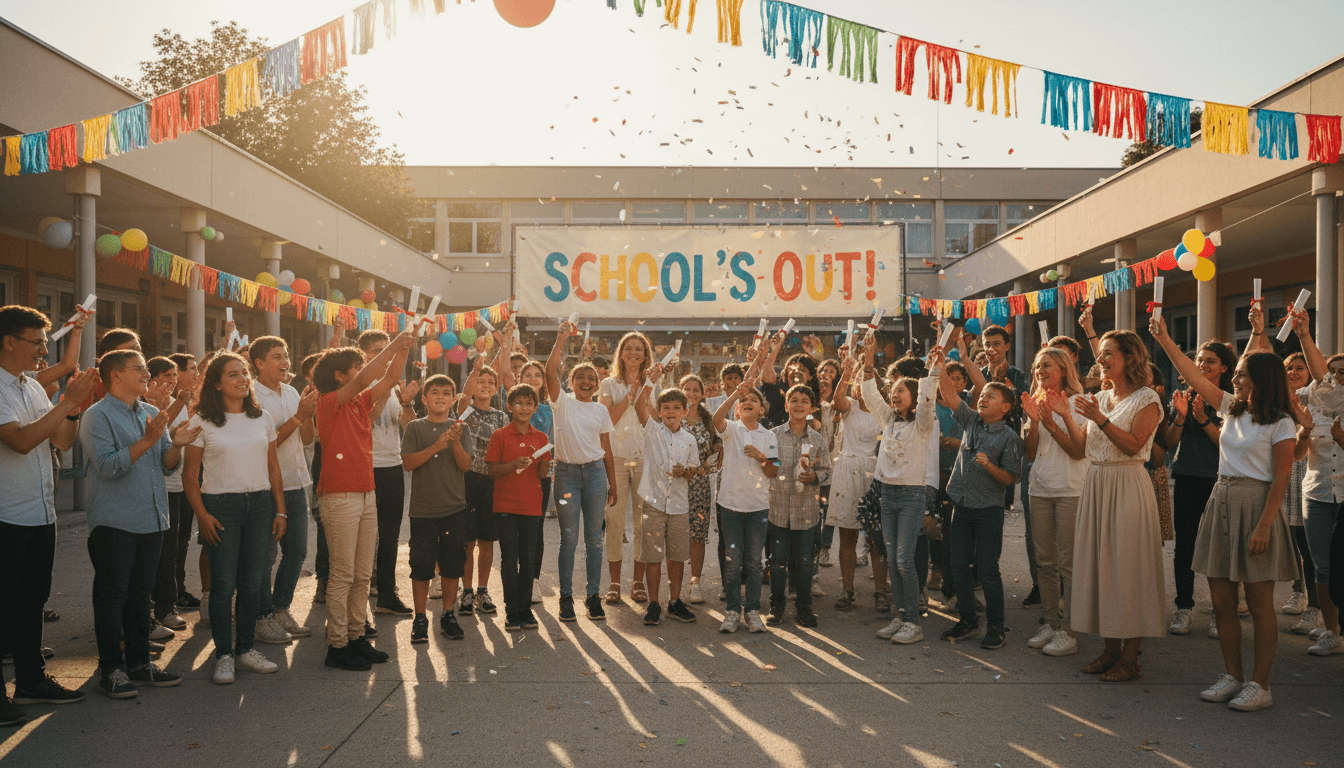
End of Year Newsletter for Newcomer Students and Families
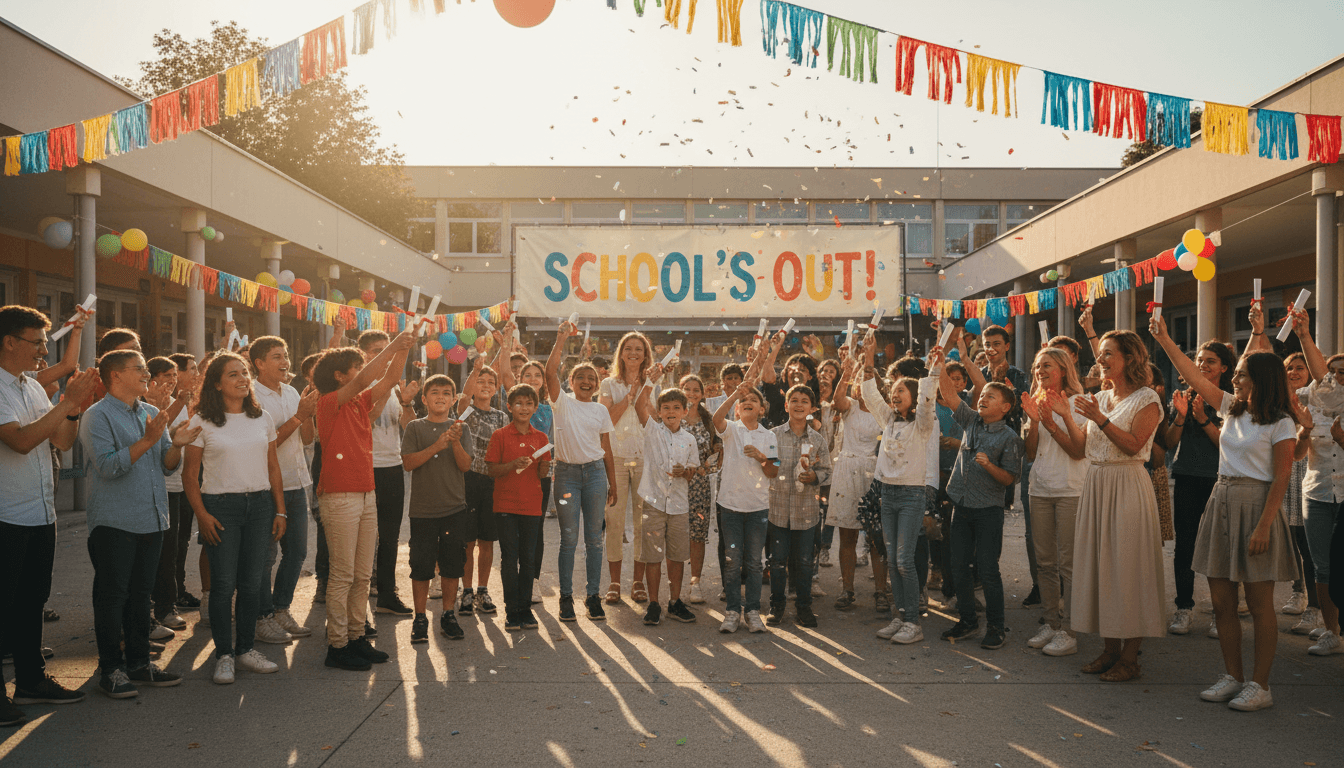
Newcomer families spend the school year building familiarity with a system that everyone around them navigates automatically. At the end of the year, they need the same information other families receive, plus more context. A newsletter that acknowledges the year and prepares them for what comes next closes the year with the same welcome the school offered when they arrived.
The newcomer end-of-year newsletter structure
Subject line: End of the school year: what your family needs to know and what comes next
Opening: The school year is ending on [date]. Before it does, we want to share information about the final days, summer programs available to your family, and how enrollment works in the fall. We also want to take a moment to recognize the work your child did this year.
Acknowledging the year's work
Name what the newcomer student accomplished. Not in comparison to grade-level expectations, but in terms of what the year required of them. "Your child joined our school in the middle of learning a new language, building new friendships, and adjusting to a new country. That is a lot to carry while also showing up and trying every day. We see that work."
One specific observation about the student's year, if possible, makes this section feel personal rather than form-letter. Even if the newsletter goes to all newcomer families, a sentence that could describe any student who worked hard still lands differently than a generic closing.
End-of-year logistics
Cover the basics with more context than a general newsletter would include. The last day of school, exact dismissal time, whether buses run on the normal schedule, and what to do if the family needs to arrange pickup differently. Families who are new to the US school calendar may not know that the last day is often a half day or has an unusual schedule.
Summer programs and resources
List summer programs available to the student, with special attention to any programs that provide English language support or that specifically welcome newcomer students. Include dates, locations, and how to register. If cost is a barrier, note any scholarship or free enrollment options.
Also include summer food programs, as many newcomer families rely on school meals during the year and may not know that free meals for children are available at community sites during the summer.
Fall enrollment and what to expect
Explain what families need to do to ensure their child's enrollment is set for fall. Whether any documents need to be updated, whether there will be a placement review for language support services, and when to expect communication from the school about next year's class assignment.
Who to contact over the summer
Give families a specific name and contact method for any questions that come up over the summer. "If you have questions about enrollment, summer programs, or anything else over the summer, contact [name] at [email or phone]. We are available [dates/hours]." Newcomer families are less likely to reach out if contact information is vague.
Get one newsletter idea every week.
Free. For teachers. No spam.
Frequently asked questions
What makes an end-of-year newsletter different for newcomer families?
Newcomer families are navigating the end-of-year logistics of a school system they are still learning. They may not know what 'last day of school' means logistically, what happens to their child's class placement next year, whether summer programs are available to them, or how enrollment works in the fall. The end-of-year newsletter for newcomer families assumes less prior knowledge and provides more context than a general family newsletter.
What language access should schools provide for newcomer family newsletters?
The newsletter should be sent in every language spoken by families in the school community, not just the top one or two languages. If a family received documents in their language when they enrolled, the end-of-year newsletter should reach them in the same language. Machine translation with human review for the most common languages is acceptable; unreviewed machine translation for languages spoken by only a few families is better than sending nothing.
What end-of-year information is most important for newcomer families?
The last day of school and dismissal logistics, whether any summer programs are available (including language support programs), what the enrollment process looks like for the fall (especially if documents are required), who to contact over the summer with questions, and an acknowledgment of the work the student and family did this year to navigate an unfamiliar system.
How do you acknowledge the difficulty of the newcomer experience without being patronizing?
Be direct and specific. 'This year, your child learned a new language, navigated a new school system, and built relationships in a new place. That is significant work' honors the reality without treating families as fragile. Newcomer families are resilient and capable; the newsletter should reflect that.
How does Daystage help with end-of-year communication for newcomer families?
Daystage's translation feature lets schools send the end-of-year newsletter in multiple languages from a single send. For newcomer families who received earlier communications in their home language, the end-of-year newsletter arriving in the same language is a signal of consistent welcome. The scheduling feature ensures the newsletter goes out with enough lead time for families who need to arrange summer childcare or summer program enrollment.

Adi Ackerman
Author
Adi Ackerman is a former classroom teacher and curriculum writer with 8 years in K-8 schools. She writes about school communication, parent engagement, and what actually works in real classrooms.
More for End of Year
Ready to send your first newsletter?
3 newsletters free. No credit card. First one ready in under 5 minutes.
Get started free