

Wyoming ELL School Newsletter: Reaching Multilingual Families
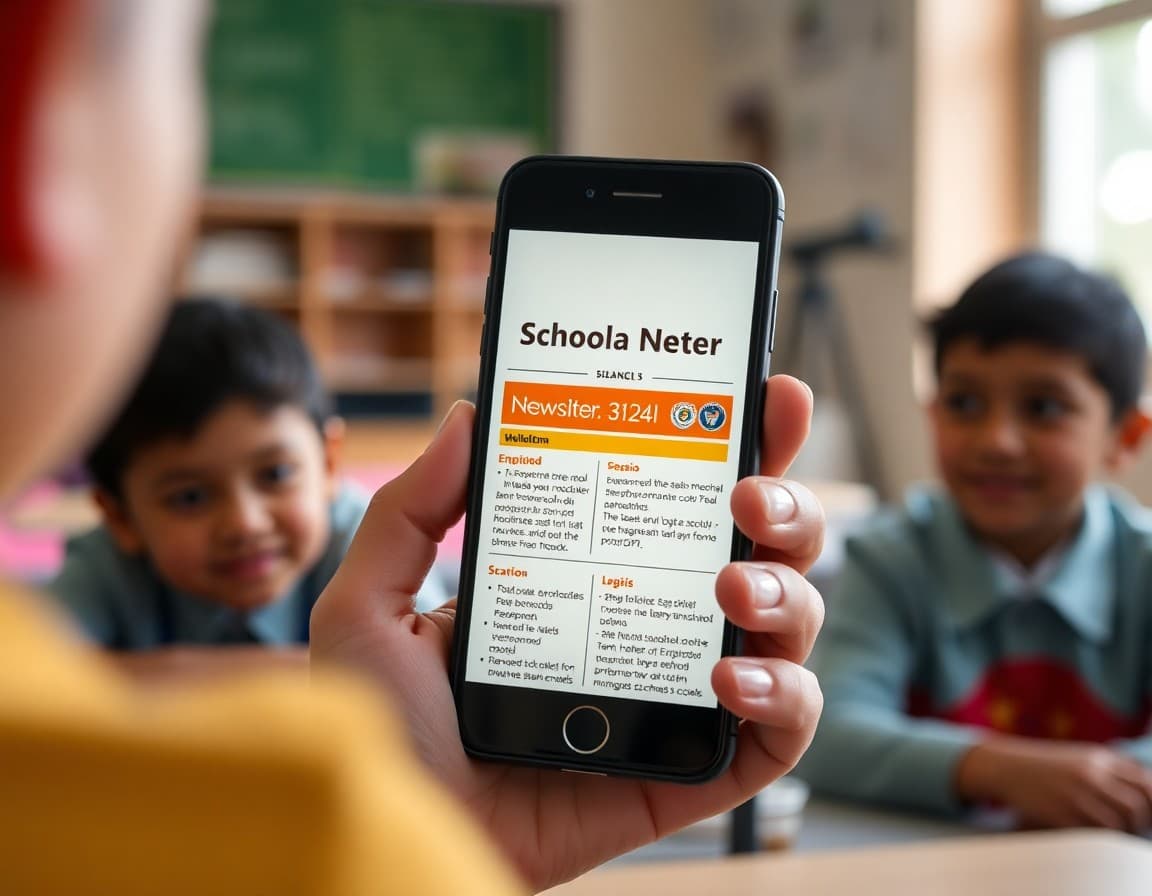
Wyoming serves a smaller ELL population than California or Texas, but the challenges are significant in their own way. A rural ELL family in Goshen County may have no local bilingual community resources, may be the only Spanish-speaking family at their child's school, and may receive English-only school communications they cannot fully understand. For the ELL teacher in that building, the newsletter is not just a communication tool -- it is often the only structured outreach that makes these families feel seen and included.
Wyoming's ELL Population: Who You Are Reaching
Wyoming's ELL students are primarily Spanish speakers from agricultural communities in the southeastern and central parts of the state. Families are often employed in livestock, sugar beet farming, or oil and gas support industries. These are working families with limited time to engage with school during the day. Spanish-language newsletters that arrive by email in the evening are more accessible than phone calls during work hours or daytime meetings that require time off. A newsletter designed around their reality lands better than one designed around a suburban school's communication assumptions.
What the Newsletter Must Cover
Wyoming ELL newsletters should address four areas: language program updates, upcoming assessments (especially ACCESS), parent rights under Title III, and community resources. Language program updates explain in plain terms what the student is working on in English development. ACCESS testing content explains what the test is, when it happens (typically winter), and what the results mean for service placement. Parent rights include the right to request meetings, to decline ELL services after notification, and to receive translations. Community resources might include local library programs, state-funded tutoring, or parent education opportunities.
Handling Translation in a Small District
Wyoming's smallest ELL programs may have one student in the building. Even so, the obligation to communicate meaningfully in the family's home language applies. For Spanish, Google Translate produces acceptable first drafts that a bilingual staff member or a trusted community member can review in 15 minutes. Wyoming DPI provides some translation support through its ELL department -- contact them if your district lacks bilingual staff. Document every translation step, including who reviewed it, in case of a monitoring visit.
Template Section: ACCESS Testing Explanation in Plain English
Here is a template section for the winter newsletter, written for translation:
"ACCESS Testing Notice: In January and February, your child will take the ACCESS for ELLs test. This test measures your child's English skills in reading, writing, listening, and speaking. No special preparation is needed. We will let you know your child's results in April. Results help us decide what English support your child receives next year. If you have questions, please call [name] at [phone number]."
This section is written at a sixth-grade reading level, which makes machine translation into Spanish more accurate and easier for a reviewer to check quickly.
Building the Newsletter Around the Agricultural Calendar
Many Wyoming ELL families follow an agricultural schedule that affects their availability. Sugar beet harvest in October and November means some families are working long hours and may miss school communication entirely during that period. Plan a brief surge of communication in September before harvest season, and follow up in December with a summary of what families missed. Similarly, spring planting season in April can reduce family engagement. Building your newsletter calendar around the agricultural cycle rather than the academic calendar alone shows cultural awareness that resonates with these communities.
Phone and Print Backup for Email Gaps
Rural Wyoming internet coverage is inconsistent. Some families in small towns access email only at the library or on cellular data with limited capacity. Send your newsletter by email and print 10 copies for the school office. Ask the secretary to hand one to any ELL family that comes in for any reason. A brief phone call -- even a two-minute summary in Spanish -- to families that have not opened the last three newsletters closes the gap that email alone cannot. Track response rates so you know which families need the phone follow-up.
Creating a Trust Relationship with ELL Families
ELL families in Wyoming often feel like outsiders in their child's school -- particularly in buildings where their child is the only English learner. A newsletter that arrives consistently, uses their language, and treats them as full members of the school community builds trust that is hard to create any other way. Families who trust the school's communication are more likely to attend parent-teacher conferences, more likely to ask questions about their child's IEP or 504 plan if applicable, and more likely to support learning at home in their home language. That trust starts with a newsletter that shows the school is genuinely trying.
Get one newsletter idea every week.
Free. For teachers. No spam.
Frequently asked questions
What languages are most common among Wyoming ELL students?
Spanish is by far the most common home language among Wyoming ELL students, with significant communities in Laramie, Cheyenne, and agricultural areas. Arabic speakers are present in some districts. Wyoming's ELL population is smaller than neighboring states but geographically dispersed across many small districts, which means each school may serve just a handful of ELL students with limited access to district bilingual staff.
How do small Wyoming districts manage ELL newsletter translation?
Small districts often have no bilingual staff on site. Options include working with the state's ELL network through Wyoming DPI, using the district's BOCES cooperative for shared services, reaching out to community organizations serving Spanish-speaking families, or using carefully reviewed machine translation for Spanish-language sections. Document your translation process in case of a Title III audit.
What federal requirements apply to Wyoming ELL family communication?
Title III of ESSA requires schools to communicate meaningfully with parents of ELL students in a language they can understand. Wyoming DPI enforces this through periodic monitoring. Newsletters sent only in English to families whose primary language is Spanish may constitute an inadequate communication attempt. Keep records of translation efforts and any bilingual outreach.
How do I explain ACCESS testing to Wyoming ELL families?
Use plain language and avoid abbreviations the first time you use them. A simple explanation: 'Once a year, your child takes a test called ACCESS for ELLs. It measures their English reading, writing, listening, and speaking skills. The score helps us decide what English language support your child receives next year.' Then translate that paragraph into Spanish for families who need it.
What newsletter platform works for small Wyoming ELL programs?
Daystage allows Wyoming ELL teachers to build bilingual newsletters in a single email, with English and Spanish sections stacked clearly. For small programs where the ELL teacher is the only bilingual contact, Daystage reduces production time so the teacher can focus on translation quality rather than formatting.

Adi Ackerman
Author
Adi Ackerman is a former classroom teacher and curriculum writer with 8 years in K-8 schools. She writes about school communication, parent engagement, and what actually works in real classrooms.
More for ELL & ESL
Ready to send your first newsletter?
3 newsletters free. No credit card. First one ready in under 5 minutes.
Get started free