
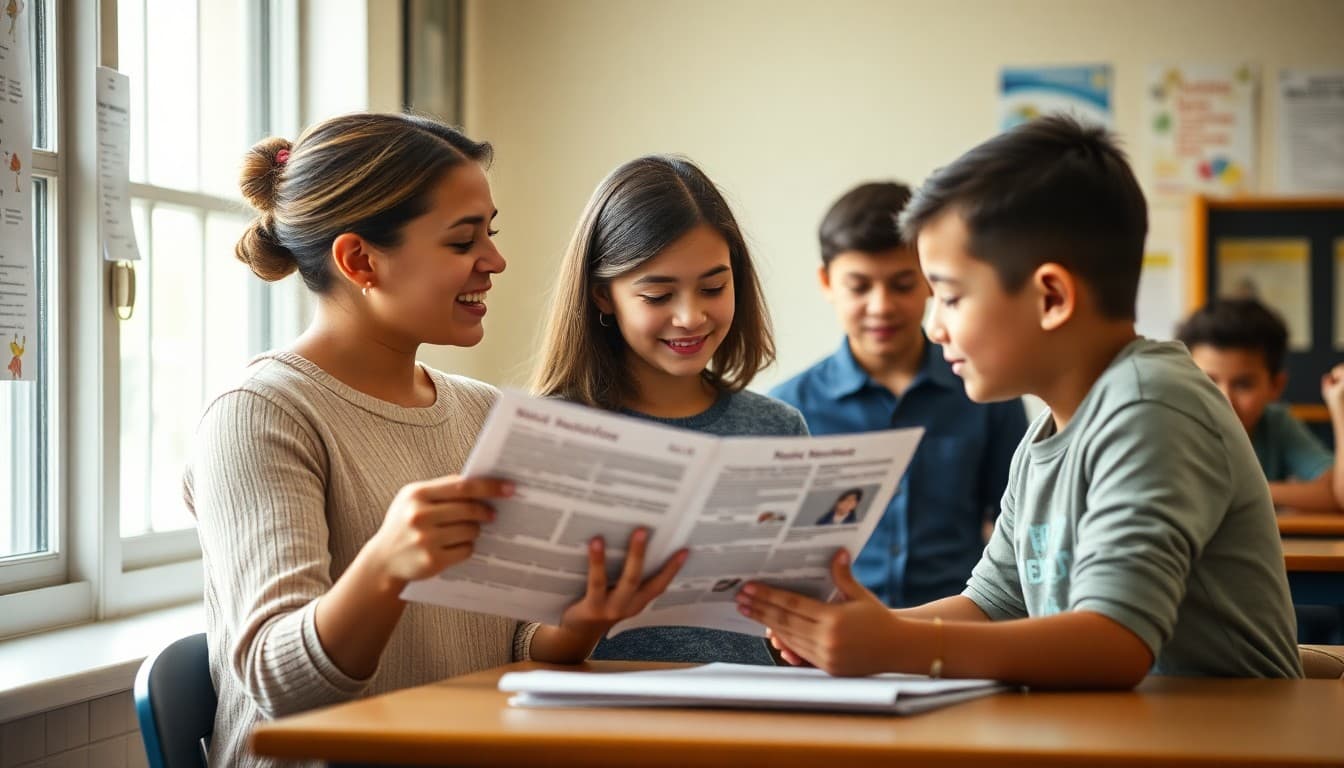
West Virginia ELL School Newsletter: Reaching Multilingual Families
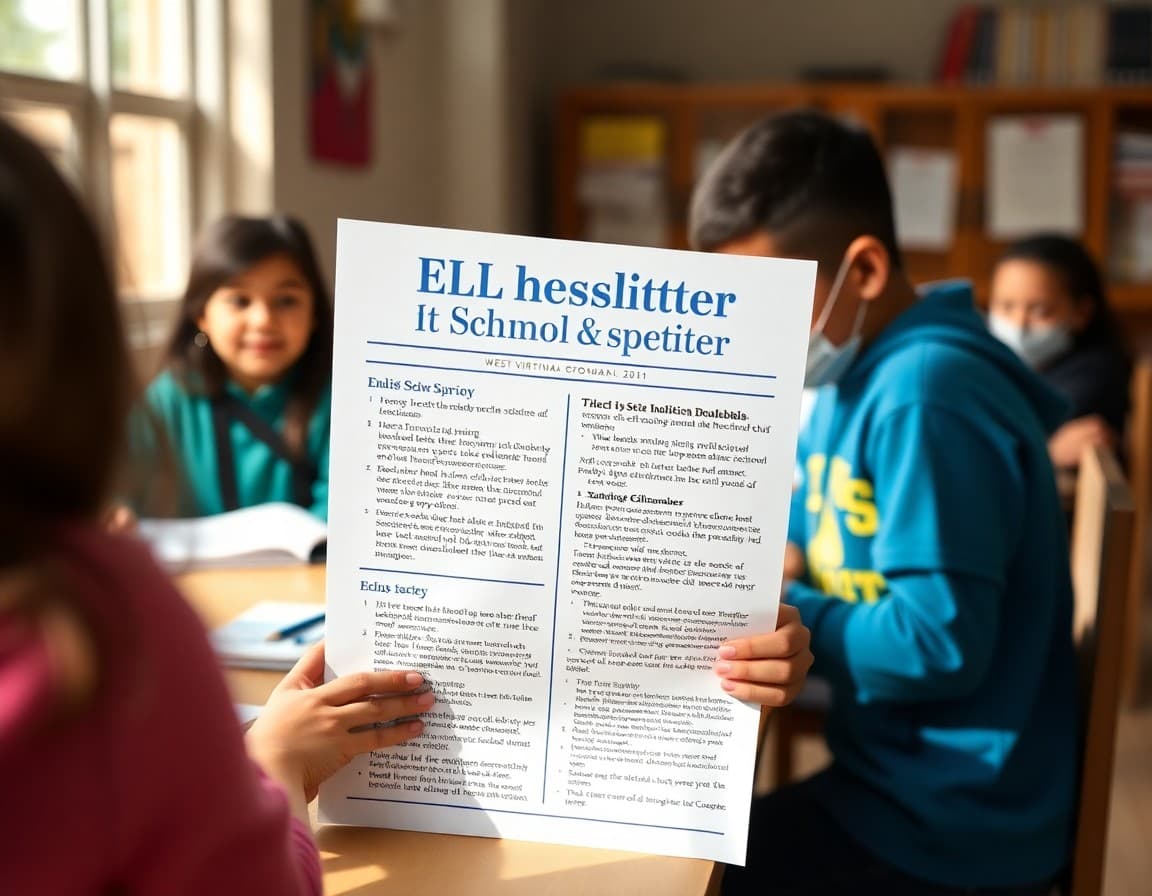
West Virginia is not the first state most people associate with ELL education, but the state's ELL population has grown faster than many residents realize. The Eastern Panhandle counties of Jefferson and Berkeley, near Washington DC's labor markets, have seen significant growth in Spanish-speaking families connected to construction, landscaping, and service industry work. Monongalia County's growth around WVU has brought international student families. And smaller but growing Latin American communities are present in Kanawha, Wood, and Cabell counties. For ELL teachers across these varied contexts, a newsletter in families' home language is often the primary way they receive clear, accessible information about what their child is learning and what the school expects from them.
West Virginia's ELL Population and Its Context
West Virginia has fewer than 10,000 ELL students statewide, which makes it one of the smallest ELL populations by state enrollment in the country. But in the counties and schools where those students are concentrated, the proportion can be significant: some Jefferson County elementary schools have ELL enrollments of 15 to 25 percent. These students and their families are navigating not just a new school system but often a new state with limited community infrastructure compared to major immigrant destinations like Texas, California, or New York. The school newsletter may be one of the few consistent, reliable communication touchpoints these families have with any official institution.
Building a Bilingual Newsletter Format for West Virginia Schools
For WV ELL teachers serving primarily Spanish-speaking families, a parallel English-Spanish format is the most effective and most maintainable approach. English text appears first in each section, Spanish translation directly below, clearly labeled. Keep each section brief: three to five sentences in each language. A newsletter that takes three minutes to read in either language is far more likely to be read than one that takes ten. In WV districts where translation support is not available institutionally, use Google Translate as a first draft and ask a Spanish-speaking parent volunteer or community member to review for accuracy before sending.
What West Virginia ELL Families Need to Know
ELL families in West Virginia need the same information as ELL families everywhere: what level their child is at in English proficiency, what services the school provides, how to support language development at home, and what rights they have. Many WV ELL families are new not just to West Virginia but to the United States, and may be unfamiliar with basic structures like report card schedules, standardized testing, and the concept of parental rights within a public school system. Your first newsletter of the year should explain what the newsletter is, why you send it, and what families should do if they have questions. Setting context clearly from the beginning builds the foundation for everything that follows.
A Template Section for West Virginia ELL Family Communication
Here is a format used by an ELL teacher in Jefferson County for their monthly family update:
What We Are Learning: This month, students in our ELL program are working on academic vocabulary for science, specifically the words and phrases used to describe weather patterns and climate change. Understanding this language in English is important because science class is taught in English, and the WVGSA science assessment uses academic vocabulary throughout. At home, ask your child to describe the weather outside using the vocabulary words we are learning at school. Even a brief conversation in English about what they observe helps build the language they need in class. / Lo que estamos aprendiendo: Este mes, los estudiantes de nuestro programa ELL están trabajando en vocabulario académico para ciencias... [Spanish version continues]
That section explains the skill, connects it to WVGSA science, gives a specific home activity, and delivers it in both languages.
Navigating the WIDA ACCESS Assessment in West Virginia
West Virginia administers WIDA ACCESS to all identified ELL students from January through mid-February. Families who understand what this assessment measures and why results matter for program placement are more cooperative partners during testing season and more informed interpreters of results when they arrive. Your December newsletter should explain ACCESS in plain, accessible language: it measures how well students understand and use English in listening, speaking, reading, and writing. Results are scored on a 1 through 6 scale, where 6 means a student is ready to exit the ELL program. Students at level 3 or 4 are in the middle of the learning process, which is exactly where many students should be.
Connecting WV ELL Families to Available Resources
West Virginia's ELL-specific resources are limited compared to larger states, but several organizations support immigrant and ELL families in the state. The Latin American community organizations in Martinsburg and the Eastern Panhandle provide some family support services. The WV Department of Education's ELL office provides teacher and family resources online. For families who need legal assistance navigating immigration-related concerns, the Appalachian Research and Defense Fund (AppALAD) provides legal services in some WV communities. Including one relevant resource per newsletter issue, even if it is simply a link to the WV WIDA resources page, builds a useful directory for families who need support beyond what the classroom can provide.
Building Trust in Small West Virginia Communities
In small West Virginia communities where everyone knows each other, an ELL family that is new to the area can feel particularly isolated. A newsletter that arrives consistently in their home language, explains what their child is doing in school, and invites them to reach out with questions is a powerful signal that the school sees them as part of the community rather than a challenge to be managed. Over time, families who started the year uncertain about engaging with the school become present at school events, ask questions at parent-teacher conferences, and encourage other families from their community to do the same. That is the long-term return on investment from consistent, respectful newsletter communication.
Get one newsletter idea every week.
Free. For teachers. No spam.
Frequently asked questions
What languages do West Virginia ELL newsletters most commonly need?
Spanish is by far the most needed language for ELL newsletters in West Virginia. The state's ELL population has grown significantly in recent years, concentrated primarily in Jefferson and Berkeley counties in the Eastern Panhandle, and in Kanawha, Monongalia, and Wood counties. Most ELL students in WV are from Spanish-speaking Latin American families, though Kanawha County and Morgantown have smaller populations from other language backgrounds including Arabic and French.
What does federal law require for ELL family communication in West Virginia?
West Virginia schools must meet Title III requirements to communicate with ELL families in a language they understand about their child's language program, proficiency level, assessment results, and rights. The WV Department of Education's English Language Learners office provides guidance on meeting these requirements. West Virginia's small ELL population in many counties means individual teachers may have limited translation resources available to them locally.
How does West Virginia's WIDA ACCESS assessment timeline affect ELL newsletters?
West Virginia administers WIDA ACCESS from January through mid-February for all identified ELL students. A December newsletter explaining what ACCESS measures, when the testing window falls, and how scores affect program placement significantly reduces family anxiety and increases testing-day attendance. Include a plain-language description of the WIDA 1 through 6 proficiency scale so families can interpret their child's scores when they arrive.
How do I handle translation for WV ELL newsletters in small districts with few ELL students?
In small West Virginia districts with only a handful of ELL students, formal translation programs may not exist. Use Google Translate or DeepL as a first draft for Spanish translation, then ask a bilingual community member or parent volunteer to review for accuracy. The WV Department of Education's ELL office may have access to translation resources for teachers in small districts. Even an imperfect translation is far better than no translation for families whose English literacy is limited.
Can Daystage help West Virginia ELL teachers send bilingual newsletters?
Yes. Daystage lets you create newsletters with bilingual sections and send them to targeted family distribution lists. For WV ELL teachers in small districts where you may have 10 to 15 ELL families, the ability to produce a professional bilingual newsletter without significant technical infrastructure is particularly valuable. Daystage also produces mobile-friendly newsletters, which is important in WV communities where families access email primarily through smartphones.

Adi Ackerman
Author
Adi Ackerman is a former classroom teacher and curriculum writer with 8 years in K-8 schools. She writes about school communication, parent engagement, and what actually works in real classrooms.
More for ELL & ESL
Ready to send your first newsletter?
3 newsletters free. No credit card. First one ready in under 5 minutes.
Get started free