

Wisconsin ELL School Newsletter: Reaching Multilingual Families
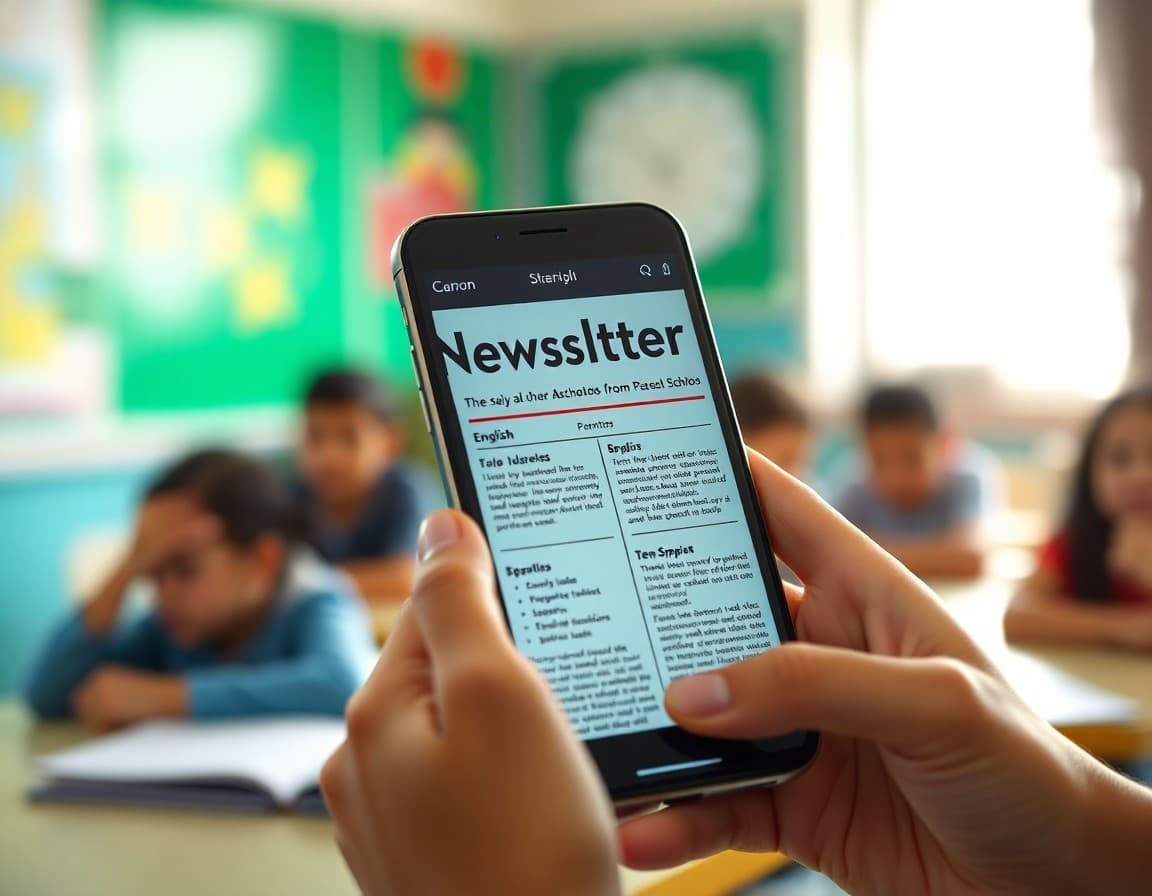
Wisconsin has one of the fastest-growing English learner student populations in the Midwest. Milwaukee Public Schools alone serves students speaking more than 90 home languages. For ELL teachers and coordinators, the newsletter is one of the few direct lines to parents who may not attend in-person events, may not have reliable phone access, and may feel uncertain about navigating a school system in a second language. Getting that newsletter right matters.
Understanding Wisconsin's ELL Legal Framework
Wisconsin ELL programs operate under federal Title III requirements and state guidance from the Department of Public Instruction. Schools must provide meaningful communication to parents of ELL students in a language they can understand. That is not a best practice -- it is a legal requirement. Newsletters count as formal school communication, which means a newsletter sent only in English to a family that speaks Hmong as a primary home language may create compliance gaps. Check with your district's Title III coordinator on documentation requirements.
What Wisconsin ELL Families Actually Need to Know
Your newsletter should address three core areas. First, language development: what proficiency level the student is currently working toward, what that means in classroom terms, and how parents can support vocabulary development at home. Second, ACCESS testing: Wisconsin uses the ACCESS for ELLs assessment annually, and families need advance notice of testing windows, what the scores mean, and how scores affect services. Third, parent rights: IDEA, Title III, and state ELL regulations give families specific rights around language support and program participation. A short rights reminder in each newsletter builds trust.
Languages to Prioritize in Wisconsin
Spanish speakers represent the largest ELL group statewide. Hmong-speaking families are concentrated in the Fox Valley, Milwaukee, and Madison areas and often include families that have been in Wisconsin for 20 or more years -- do not assume newer arrival status. Somali speakers are a significant population in Milwaukee's south side. Arabic, Burmese, and Tibetan speakers appear in smaller numbers in certain districts. Your school's Home Language Survey results are the most accurate source for your specific building. Focus translation resources on the top two or three languages in your building.
Template Section: ACCESS Testing Notice
Here is a plain-language template section for the annual ACCESS testing window:
"ACCESS Testing Notice: All students in our ELL program will take the ACCESS for ELLs assessment between January 15 and February 28. This test measures English reading, writing, listening, and speaking. Results arrive in April and help us decide what language services your child receives next year. No test prep is needed. If you have questions, contact [name] at [phone/email]."
Repeat this section in Spanish and Hmong below the English version. Keep the formatting identical so parents scanning for their language can find it quickly.
Format and Delivery Strategies
A PDF newsletter works for printing but is hard to read on a phone in a language that uses different character sets. HTML email newsletters render better across devices and allow you to use proper Unicode for Hmong and Somali text. Send via email first, then print 10 to 15 copies for students to carry home as backup for families without reliable email access. Ask the front office to post a copy in the main entry area in the building's top two home languages.
Building Parent Trust Through Consistent Communication
Many ELL families have had negative or confusing school communication experiences -- either in Wisconsin or in their home country. A newsletter that arrives on a predictable schedule, uses plain language, and includes a direct contact number signals that the school is genuinely trying to reach them. This trust compounds over time. Families who trust school communication are more likely to show up to parent-teacher conferences, more likely to ask questions about their child's progress, and more likely to support learning at home.
Practical Tips for Translation
Do not run the entire newsletter through Google Translate and paste it unreviewed. Machine translation is most accurate for Spanish and least accurate for Hmong and Somali. Have a bilingual staff member or community liaison review any machine-translated content before it goes out. If no bilingual staff member is available, your district's ELL coordinator should have access to translation services. Keep translated sections to 150 words or fewer -- that is the practical limit for quality machine translation that a non-expert reviewer can reliably check.
When to Increase Newsletter Frequency
During ACCESS testing season (January through March), increase to weekly newsletters to keep families informed about testing logistics and next steps. At the start of each semester, send a "Welcome Back" newsletter that re-explains the program structure for families who may have forgotten details from the orientation. End of year is a good time for an annual summary: proficiency gains, reclassification updates, and next year's service plan.
Get one newsletter idea every week.
Free. For teachers. No spam.
Frequently asked questions
What languages should a Wisconsin ELL newsletter include?
Spanish and Hmong are the most widely spoken home languages in Wisconsin after English, particularly in Milwaukee, Green Bay, and the Fox Valley region. Somali is also prominent in certain Milwaukee zip codes. Pull your school's home language survey data to identify the top three languages in your building and prioritize those for translated sections or full translations.
How do I get newsletter translations without a big budget?
Many Wisconsin districts have bilingual paraprofessionals or community liaisons who can review machine translations for accuracy. Google Translate is good enough for short notices but needs a human check before going out. Some schools use parent volunteers for translation -- just make sure the volunteer understands they are not sharing private student information, only the generic newsletter content.
Should the ELL newsletter cover academic progress or just logistics?
Both, but keep each section short. Parents of ELL students often feel uncertain about whether their child is on track academically, so a brief 'Language Development Update' that explains what proficiency level means in plain terms goes a long way. Logistics -- like upcoming assessments, ACCESS testing dates, and parent rights under Title III -- are equally important.
How do I make newsletters accessible to parents with low literacy in any language?
Include a QR code that links to a short voice recording of the newsletter's main points read aloud in the family's home language. Use icons next to key dates so visual scanning works even when reading is difficult. A phone number for questions is essential -- some parents will not reply to email but will call if given a direct number.
Can Daystage handle multilingual newsletter content?
Yes. Daystage lets you build newsletters with multiple text sections, so you can include an English section followed by a Spanish or Hmong section in the same email. Teachers in Wisconsin ELL programs use it to send one cohesive newsletter that serves multiple language communities without needing to manage separate distribution lists.

Adi Ackerman
Author
Adi Ackerman is a former classroom teacher and curriculum writer with 8 years in K-8 schools. She writes about school communication, parent engagement, and what actually works in real classrooms.
More for ELL & ESL
Ready to send your first newsletter?
3 newsletters free. No credit card. First one ready in under 5 minutes.
Get started free