

Virginia ELL School Newsletter: Reaching Multilingual Families
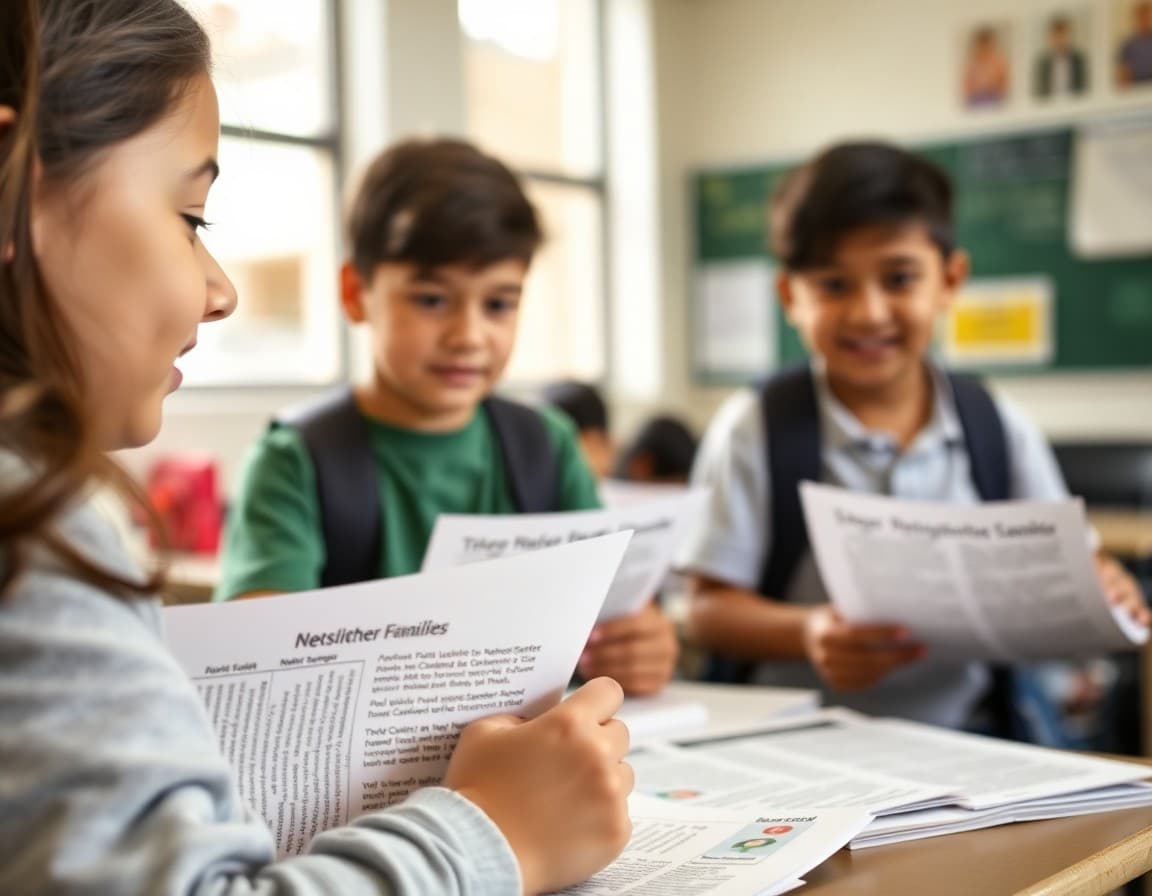
Virginia has one of the most linguistically diverse ELL populations in the country. Fairfax County Public Schools alone serves students who speak more than 200 different home languages. Arlington County's ELL enrollment represents over 30 languages. Prince William County has seen rapid growth in Spanish-speaking and Arabic-speaking communities. For ELL teachers in these divisions, a newsletter that reaches families in their home language is not a gesture of goodwill. It is a legal requirement and a practical necessity for meaningful family engagement.
Virginia's ELL Landscape
Virginia's ELL population is concentrated in Northern Virginia, where large immigrant communities from Latin America, Korea, Vietnam, the Middle East, and East Africa are present in every major division. The Hampton Roads area has growing ELL populations tied to military families from allied countries and refugee resettlement programs. Rural Virginia's Shenandoah Valley and Southside region have growing Spanish-speaking communities connected to agricultural, poultry, and manufacturing industries. Each community has different educational backgrounds, different relationships to written communication, and different expectations of what schools owe families.
Building Multilingual Newsletters in Virginia's Context
Virginia's largest school divisions have translation resources available through their multilingual services departments. Fairfax County, Arlington, and Prince William County all offer translation support in the most common home languages for school communications. Contact your division's ELL office to find out what is available before building translation processes independently. In smaller Virginia divisions where translation support is limited, prioritize the most critical content for translation and use plain-language English for the rest, making your contact information prominent in every version.
What Virginia ELL Families Need From Their School
ELL families across Virginia's diverse communities consistently need the same things from school communication: clear explanation of what program their child is in, honest assessment of where their child is in English language development, practical guidance on how to support learning at home, and clear information about their rights. Virginia's ELL families are often sophisticated and informed consumers of educational services, particularly in Northern Virginia where many families have college education and professional backgrounds despite limited English proficiency. Treat them as intelligent adults navigating an unfamiliar system, not as a group needing remediation.
A Template Section for Virginia ELL Family Communication
Here is a format used by an ELL specialist in Prince William County for their monthly family update:
ELL Program Update: This month, students in our intermediate ELL group are working on academic writing, specifically how to write a claim and support it with evidence from a text. This skill is central to the SOL Reading and Writing assessments and to success in middle and high school classes where argumentative writing is a major expectation. At home, encourage your child to share their opinion about any topic and then ask them "Why do you think so?" and "Can you give me an example?" This simple questioning habit builds exactly the skill we practice in class. / Actualización del programa ELL: Este mes, los estudiantes del grupo ELL intermedio están trabajando en escritura académica... [Spanish version continues]
That section explains the skill, connects it to SOL assessments, gives a specific home activity with a clear rationale, and delivers it in both languages.
Navigating Virginia's WIDA ACCESS Assessment With Families
Virginia administers WIDA ACCESS to all identified ELL students from January through mid-February. A December newsletter that explains what ACCESS measures (listening, speaking, reading, and writing in English), why attendance during testing is important, and how scores affect program services reduces family anxiety and increases testing-day participation. Include a plain-language description of the WIDA 1-6 proficiency scale so families can interpret their child's score report when it arrives in spring: a score of 1 means beginning English, 3 is developing, 5 is bridging to full proficiency, and 6 indicates that a student is ready to exit the ELL program.
Supporting Virginia ELL Families Through the SOL System
ELL students in Virginia are required to take SOL assessments with appropriate accommodations. Many ELL families are unfamiliar with how SOL testing works and whether their child's English proficiency will affect their scores. Your newsletter should explain SOL accommodations available to ELL students, including extended time, bilingual dictionaries for math and science tests, and small group administration. Families who understand what accommodations their child will receive are less anxious about testing and more likely to support preparation at home.
Building Long-Term Trust With Virginia's ELL Communities
Trust between ELL families and schools is built through consistent, honest, respectful communication over months and years. A family that receives a newsletter every month from September through June, in their home language, with useful information and a clear invitation to reach out with questions, gradually builds a relationship with the school that makes every other interaction easier. By the second year, families who started skeptical are asking questions at Back to School Night. By the third year, they are encouraging other families from their community to engage with the school. That compounding effect is one of the most powerful arguments for investing in consistent, high-quality ELL family newsletters.
Get one newsletter idea every week.
Free. For teachers. No spam.
Frequently asked questions
What languages do Virginia ELL newsletters most commonly need?
Spanish is the most needed language for ELL newsletters in Virginia, particularly in Northern Virginia, the Shenandoah Valley, and the Hampton Roads area. Korean, Vietnamese, Arabic, and Amharic are the next most common in Northern Virginia divisions like Fairfax, Arlington, and Prince William. Rural Virginia school divisions increasingly serve Spanish-speaking families in agricultural and food processing communities. Check your division's home language survey data to prioritize translation for your specific building.
What does Virginia law require for communicating with ELL families?
Virginia schools must meet federal Title III requirements to communicate with ELL families in a language they understand about their child's language program, proficiency level, assessment results, and rights. The Virginia Department of Education's Office of English Learner Programs provides guidance on meeting these requirements. Virginia's ELL population is large enough in several divisions that VDOE offers translated materials in multiple languages through its family resources website.
How does Virginia's WIDA ACCESS assessment timeline affect ELL newsletter communication?
Virginia administers the WIDA ACCESS assessment annually for all identified ELL students from January through mid-February. Your newsletter should explain the ACCESS testing window in December, describe what the assessment measures in plain language, and reassure families that the assessment is about measuring growth in English proficiency, not a pass/fail judgment. Families who understand ACCESS are more likely to ensure attendance during the testing window.
How do I handle ELL newsletter translation in large Northern Virginia divisions?
Fairfax County, Arlington, and Prince William County all have established multilingual family liaison programs and translation services. Contact your division's ELL office or multilingual services department to find out what translation support is available for teacher newsletters. In these large divisions, you may be able to submit newsletter text and receive translations in the most common home languages for your school within a few business days.
Can Daystage help Virginia ELL teachers manage multilingual newsletters?
Yes. Daystage lets ELL teachers create newsletters with multiple language sections, maintain separate distribution lists for different language communities, and track open rates to identify families who are not engaging digitally. For Virginia ELL teachers in large Northern Virginia divisions where families speak dozens of different home languages, the ability to manage multiple newsletter versions professionally without significant technical overhead is a meaningful time saver.

Adi Ackerman
Author
Adi Ackerman is a former classroom teacher and curriculum writer with 8 years in K-8 schools. She writes about school communication, parent engagement, and what actually works in real classrooms.
Ready to send your first newsletter?
3 newsletters free. No credit card. First one ready in under 5 minutes.
Get started free