

Utah ELL School Newsletter: Reaching Multilingual Families
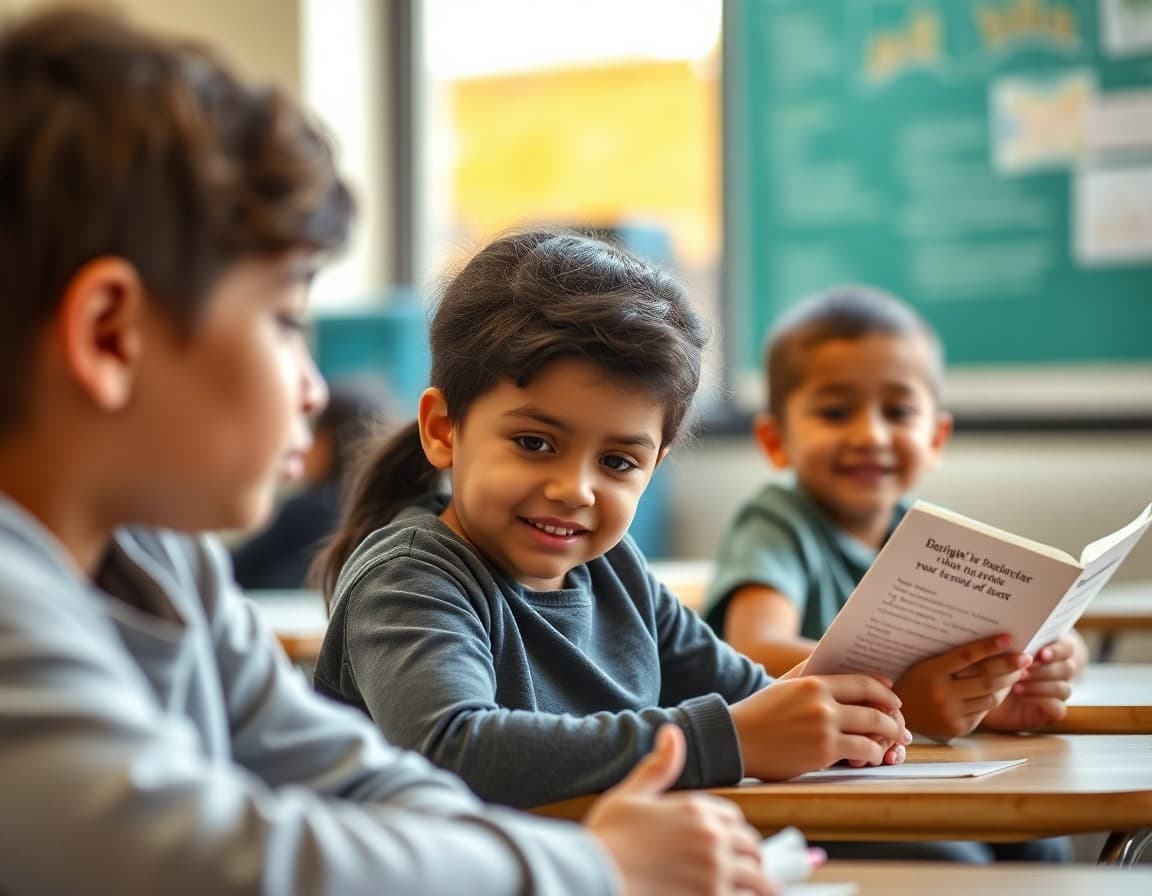
Utah's ELL population is one of the most diverse in the Mountain West. Salt Lake County has large Spanish-speaking, Tongan, Samoan, Somali, and Burmese communities. The Wasatch Front suburbs have growing immigrant populations tied to technology, healthcare, and construction industries. In this context, ELL newsletters need to serve families with very different backgrounds, very different relationships to U.S. schools, and very different levels of English literacy. The common thread is that all of these families want to know how their child is doing and how they can help.
Utah's ELL Community at a Glance
Utah's largest ELL populations speak Spanish (approximately 60 percent of ELL students), followed by Tongan, Samoan, Arabic, and Somali. Spanish-speaking families are concentrated in Salt Lake City, West Valley City, and Kearns, and in agricultural communities in Box Elder, Millard, and Sanpete counties. Polynesian communities are concentrated in the Salt Lake Valley and in Provo and Orem in Utah County. Each community brings different educational expectations, communication preferences, and levels of familiarity with U.S. school culture.
Building Bilingual Newsletters for Utah's ELL Families
For schools with primarily Spanish-speaking ELL families, a parallel English-Spanish format works well: English first, Spanish directly below each section, clearly labeled. For schools with Polynesian families, coordinating with a community liaison to review translated content is important because machine translation tools have limited accuracy for Tongan and Samoan. For schools with significant Somali-speaking populations, the Utah Refugee Education Task Force may have translation resources available. Prioritize translation for the content that matters most: rights information, program updates, and upcoming deadlines.
What Utah ELL Families Need Most From Regular Communication
ELL families in Utah consistently want to understand the same four things: what level their child is at in English proficiency, what services the school provides, how long the program typically lasts, and what they can do at home to support language development. Many Utah ELL families, particularly those from Polynesian backgrounds, are themselves bilingual and have strong interest in supporting their child's academic success. A newsletter that treats families as capable partners and gives them concrete, actionable information tends to get a much stronger response than one that simply reports what the school is doing.
A Template Section for Utah ELL Family Updates
Here is a format used by an ELL specialist in Granite School District for their monthly communication:
ELL Program Update: This month, students in the intermediate group are working on academic vocabulary for science, specifically the language of matter and energy. Understanding this vocabulary in English is essential for success on the RISE Science assessment and in mainstream science classes. At home, you can support this by watching science videos on YouTube with your child in both English and your home language. Talking about concepts in the home language first and then translating to English is a research-backed strategy that accelerates learning. / Actualización del programa ELL: Este mes, los estudiantes del grupo intermedio están trabajando en vocabulario académico para ciencias... [Spanish version continues]
That section explains what students are working on, connects it to RISE, gives a specific home activity with a rationale, and delivers it in both languages.
Navigating the WIDA ACCESS Assessment in Utah
Utah administers WIDA ACCESS from January through mid-February for all identified ELL students in grades K-12. The assessment measures English proficiency in four domains: listening, speaking, reading, and writing. A December newsletter explaining the ACCESS window, what families should know about testing logistics, and why the results matter for program placement significantly reduces family anxiety and increases cooperation during the testing period. Include a plain-language explanation of the 1 through 6 proficiency scale so families can interpret their child's results when they arrive in spring.
Connecting Utah ELL Families to State and Community Resources
Utah has several valuable resources for ELL families. The Utah State Board of Education's ELL office provides information about rights and services. The Utah Refugee Education Task Force supports schools serving refugee families. The International Rescue Committee in Salt Lake City offers direct family support for recently arrived refugee families. Polynesian community organizations in the Salt Lake Valley can help schools connect with Tongan and Samoan families in culturally appropriate ways. Your newsletter can highlight one of these resources per issue, building a resource directory for families over the course of the school year.
Building Trust in Communities With Complex Histories
Some ELL families in Utah, particularly those from countries with authoritarian governments, have strong instincts around distrusting official communications. A newsletter from a government school may initially trigger that instinct. Building trust takes time and consistency. When you send newsletters that are honest, that include family rights information, and that give families practical tools for supporting their children, you are doing the slow work of demonstrating that this school is different from institutions these families may have experienced before. That work is slow, but it compounds. By February, a family that opened your August newsletter skeptically may be attending school events and asking thoughtful questions at parent-teacher conferences.
Get one newsletter idea every week.
Free. For teachers. No spam.
Frequently asked questions
What languages do Utah ELL newsletters most commonly need?
Spanish is the most needed language for ELL newsletters in Utah, with significant Spanish-speaking communities in Salt Lake City, West Valley, Kearns, and agricultural areas in western Utah. Tongan and Samoan are important for Polynesian communities concentrated in the Salt Lake Valley and Utah Valley. Some districts also serve Somali and Arabic-speaking families. Check your school's home language survey to identify which languages are present in your specific building.
What does federal law require for Utah ELL family communication?
Utah schools must meet Title III requirements to communicate with ELL families in a language they can understand about their child's language program, proficiency level, curriculum, assessment results, and rights. This applies to newsletters covering ELL program information. The Utah State Board of Education's English Language Learner programs office provides guidance on meeting these requirements in Utah's specific context.
How does Utah's WIDA framework affect ELL newsletter content?
Utah uses the WIDA ACCESS assessment annually for ELL students and the WIDA Model as the standard for English language development. Your newsletter should explain the ACCESS testing window (January through February in most Utah districts), what the assessment measures, and how scores affect program services. Families who understand the WIDA proficiency scale are better equipped to support their child's language development at home.
How do I communicate with Utah's Polynesian ELL families?
Utah has the largest Pacific Islander population of any inland state, with Tongan, Samoan, and other Polynesian communities concentrated in Salt Lake County and Utah Valley. Many Polynesian families in Utah are bilingual in English and their heritage language, but recent immigrants or first-generation families may need translated materials. Tongan translation support may be available through the Utah State Board of Education's multilingual services or through community organizations in the Salt Lake Valley.
Can Daystage help Utah ELL teachers create multilingual newsletters?
Yes. Daystage lets you create newsletters with multiple language sections and maintain separate distribution lists for different language communities. For Utah ELL teachers serving both Spanish-speaking and Tongan-speaking families in the same school, the ability to create and manage multiple newsletter versions without building separate documents from scratch each month saves significant time and maintains consistency in communication quality.

Adi Ackerman
Author
Adi Ackerman is a former classroom teacher and curriculum writer with 8 years in K-8 schools. She writes about school communication, parent engagement, and what actually works in real classrooms.
More for ELL & ESL
Ready to send your first newsletter?
3 newsletters free. No credit card. First one ready in under 5 minutes.
Get started free