
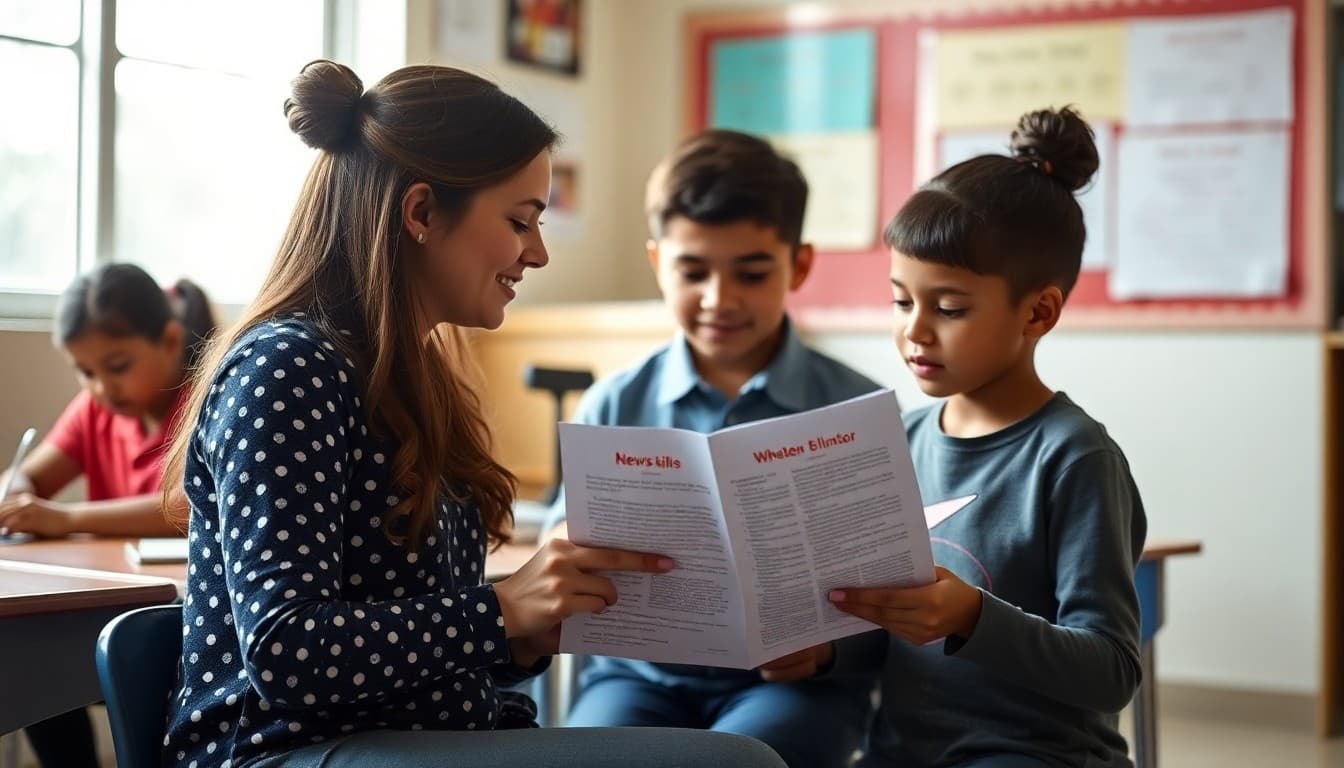
South Carolina ELL School Newsletter: Reaching Multilingual Families
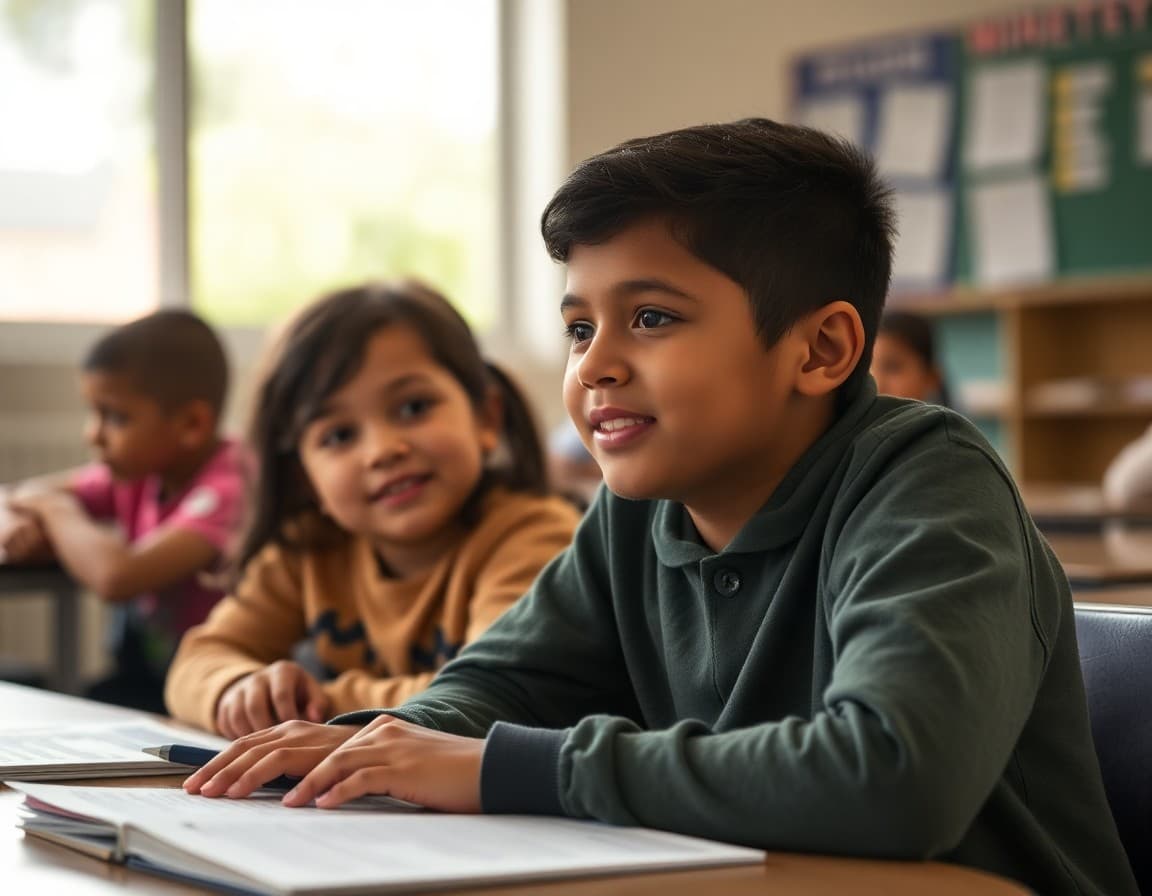
South Carolina's ELL population has grown faster than most teachers anticipated. In 2005, fewer than 20,000 students in the state were identified as English language learners. By 2023, that number exceeded 50,000. The Upstate counties of Spartanburg, Greenville, and Cherokee have seen particularly rapid growth in Hispanic families connected to manufacturing and agriculture, and the Low Country has growing populations from Latin America and the Marshall Islands. If you teach ELL students in South Carolina, your newsletter is often the clearest window families have into what their child is learning and what support is available to them.
Where South Carolina's ELL Families Are Coming From
The majority of ELL students in South Carolina speak Spanish at home and come from Mexican, Guatemalan, and Honduran backgrounds. A smaller but significant group speaks Karen, Burmese, or Marshallese, concentrated in Columbia and the Grand Strand. Understanding the specific community you serve shapes how you write your newsletter: a family from rural Guatemala may have very different expectations of schools and written communication than a family from Mexico City. Simple, concrete language works best across all groups.
Setting Up a Bilingual Newsletter Format
The most readable bilingual format puts English in the top half of each section and the translated version directly below, clearly labeled. Avoid two-column layouts unless your newsletter tool handles them cleanly, because poorly formatted columns on mobile devices become unreadable. Bold the language label at the start of each section: ENGLISH / ESPANOL. This makes it immediately clear where each family should read, and it signals that both communities are equally welcome.
What ELL Families in South Carolina Need to Understand
Four topics recur in every ELL program: what level is my child, what services do they receive, how long will they be in the program, and what can I do to help at home. Your newsletter should address at least one of these clearly every issue. Do not assume families remember what you explained at orientation. Many ELL parents are working multiple jobs, managing unfamiliar bureaucratic systems, and caring for extended family. They need repeated, plain-language reminders more than they need comprehensive information delivered once.
A Template Section for ELL Family Updates
Here is a format used by an ELL specialist in the Greenville County school district:
This Month in ELL: Students in the intermediate group have been working on writing complete sentences with subject, verb, and object. We practice this skill every day because it is the foundation for academic writing in all subjects. This month, ask your child to tell you one thing they learned at school using a complete sentence. This helps them practice the same skill at home. / Este mes en ELL: Los estudiantes del grupo intermedio han estado trabajando en escribir oraciones completas... [Spanish version continues]
That section explains the skill, connects it to broader goals, and gives families a simple home activity. It is complete in four sentences per language.
Navigating South Carolina's ELL Identification and Assessment Process
South Carolina uses the WIDA screener for initial identification and the WIDA ACCESS assessment annually for ongoing proficiency measurement. Your newsletter should explain the January-February ACCESS testing window in advance, describe what students are assessed on, and reassure families that the test is about measuring growth, not a pass/fail judgment. Families who understand the purpose of assessment are more cooperative partners during testing periods and more engaged with results afterward.
Connecting Families to SC ELL Resources
The South Carolina Department of Education's English Language Development and Acquisition office publishes resources for ELL families, including information about rights, services, and parent involvement. Your newsletter can serve as a conduit for this information by including a brief resource highlight each month. The SC Legal Services organization also provides assistance to families navigating school-related issues, and mentioning this resource in your newsletter costs you nothing and can be enormously helpful to a family in a difficult situation.
Building Consistent Communication When Families Are Hard to Reach
Some ELL families in South Carolina are reluctant to engage with schools due to immigration concerns or previous negative experiences with official institutions. You cannot solve all of that through a newsletter, but you can set a tone of welcome and transparency over time. Avoid jargon, avoid language that implies judgment, and always include a clear statement of what families should do if they have questions or concerns. Naming a specific person they can contact, and including a phone number, removes the barrier of uncertainty that keeps many families from reaching out.
Get one newsletter idea every week.
Free. For teachers. No spam.
Frequently asked questions
What languages do South Carolina ELL newsletters most commonly need?
Spanish is by far the most needed language for ELL newsletters in South Carolina, given the state's large and growing Hispanic community in the Upstate, Midlands, and Low Country regions. Some districts in the Pee Dee region also serve growing populations of Marshallese and other Pacific Islander families. Check your school's home language survey to confirm the languages present in your specific building.
What information must South Carolina schools provide to ELL families in their home language?
Under Title III and Section 1112 of ESSA, South Carolina schools must communicate with ELL parents in a language they can understand about their child's ELL program, language proficiency level, curriculum, achievement on state assessments, and the family's right to opt their child out of ELL services. This includes newsletters that specifically address ELL programming or services.
How do I handle translation for my South Carolina ELL newsletter without district support?
Many SC teachers use Google Translate or DeepL as a first draft, then ask a bilingual community member, parent volunteer, or district interpreter to review for accuracy before sending. Focus your translation efforts on the most critical sections: program updates, rights information, and upcoming deadlines. Full translation of every newsletter issue is ideal but may not always be feasible. Even partial translation communicates effort and welcome.
How can I help SC ELL families understand WIDA proficiency levels?
WIDA proficiency levels (1-6) are abstract numbers that mean little to most parents without explanation. In your newsletter, describe what each level looks like in classroom terms. A level 2 student is using short phrases and familiar vocabulary; a level 4 student is writing in structured paragraphs and reading grade-level text with support. Connecting numbers to observable behaviors makes the data actionable for families.
Can Daystage help me send ELL newsletters in multiple languages in South Carolina?
Yes. Daystage lets you create newsletter templates with multiple language sections that you can reuse each month, so you are not rebuilding the layout from scratch every issue. You can maintain separate distribution lists for English-dominant and Spanish-dominant families if your content differs significantly, and you can track which families are opening your newsletters so you know when outreach gaps exist.

Adi Ackerman
Author
Adi Ackerman is a former classroom teacher and curriculum writer with 8 years in K-8 schools. She writes about school communication, parent engagement, and what actually works in real classrooms.
More for ELL & ESL
Ready to send your first newsletter?
3 newsletters free. No credit card. First one ready in under 5 minutes.
Get started free