
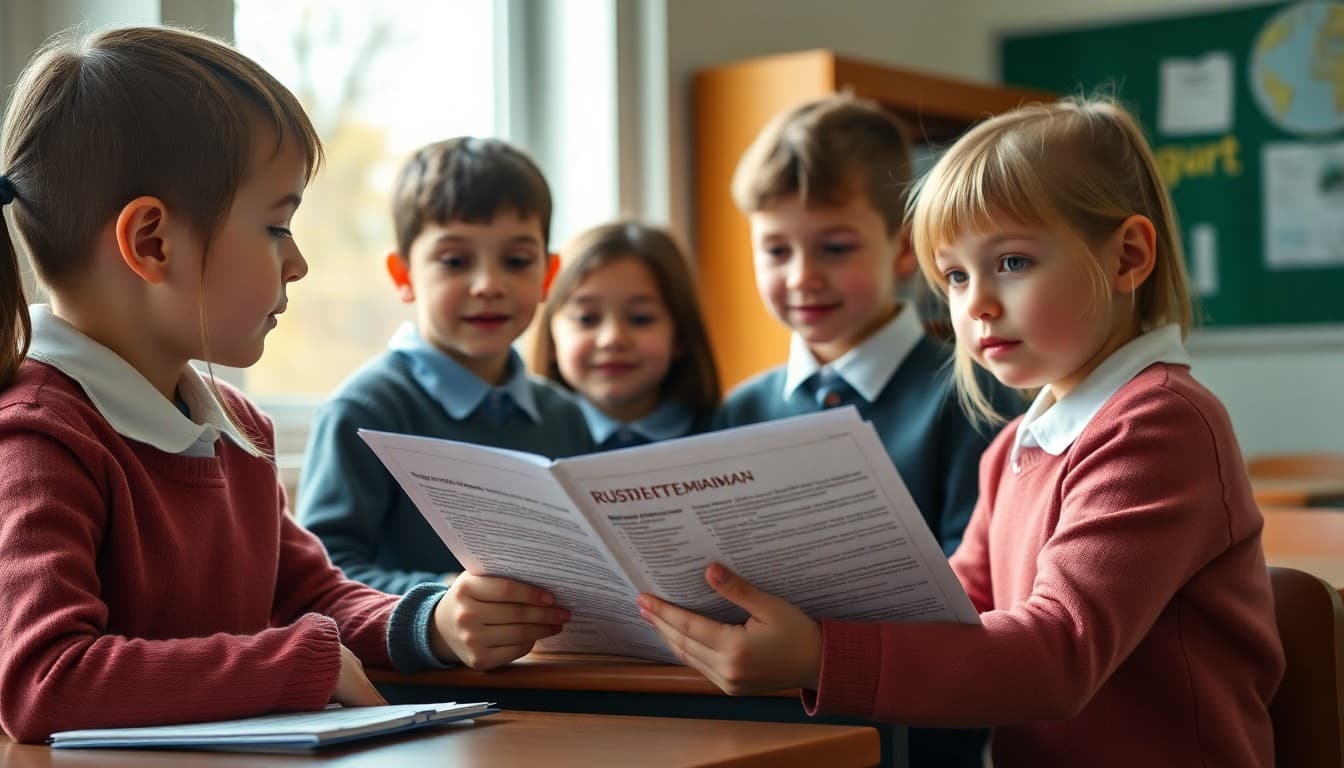
Russian School Newsletter Guide for Russian Speaking Families
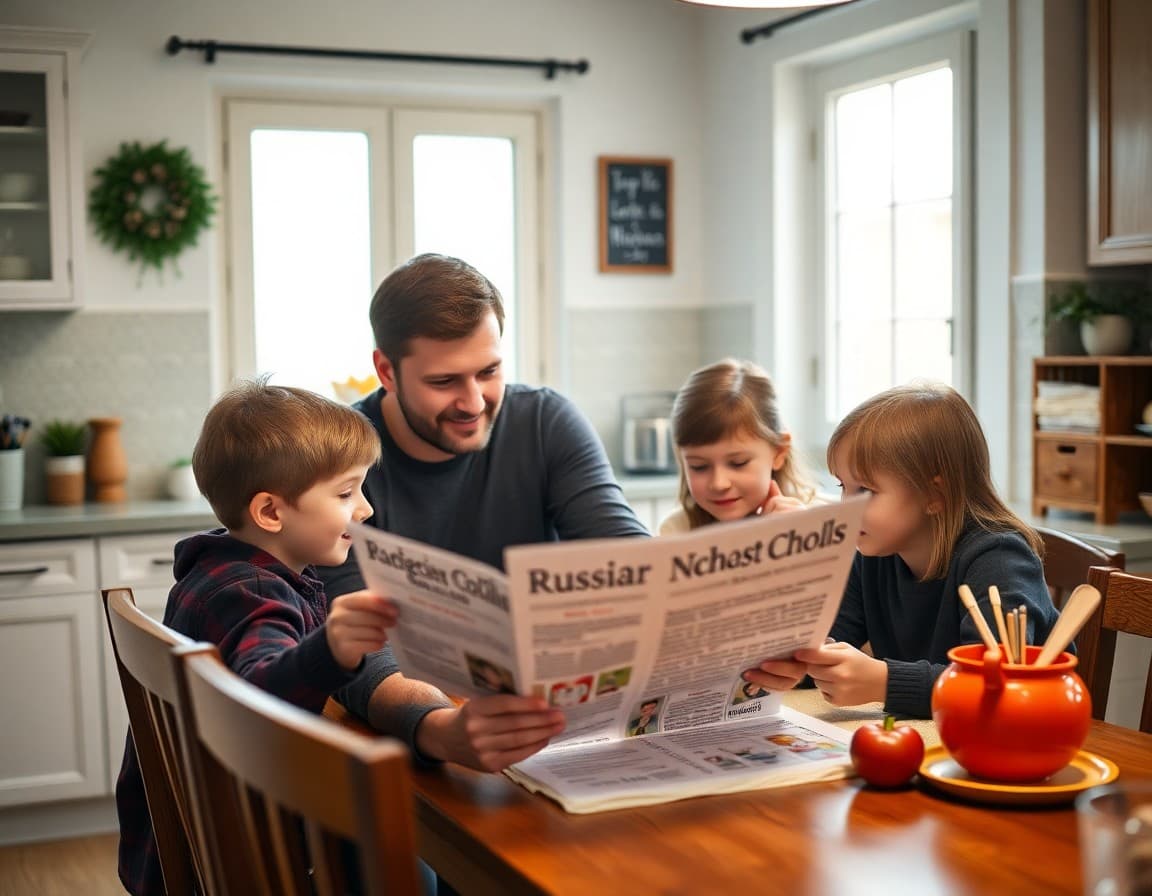
Russian is one of the most widely spoken languages in U.S. schools outside of Spanish and Chinese, and Russian-speaking families represent one of the most educationally engaged immigrant communities in the country. The barrier to that engagement is not motivation -- it is language access. A well-crafted Russian school newsletter removes that barrier.
The Breadth of the Russian-Speaking Community
Russian-speaking families in U.S. schools come from more than a dozen countries. Families from Russia, Ukraine, Belarus, and Kazakhstan all read Russian, but they have different cultural backgrounds, different immigration experiences, and since 2022, some may have strong feelings about receiving communication in Russian rather than their own national language. Building a relationship with Russian-speaking families starts with understanding which countries your families are from and whether Ukrainian or Russian (or both) is preferred for your Ukrainian families.
Many Russian-speaking families are highly educated. Former Soviet educational culture placed enormous emphasis on academic achievement, and many Russian-speaking parents approach their children's education with the same intensity they brought to their own. This is an asset -- it means newsletters that provide substantive academic information will be read carefully.
Machine Translation Quality for Russian
Google Translate and DeepL both handle Russian reasonably well for straightforward informational content. The main areas where human review is still necessary are: formal register and honorific usage, education-specific vocabulary that may not translate directly, and any content involving legal rights, procedures, or health. Russian grammar is complex, with a case system that automated tools sometimes handle incorrectly. Run your translation through a native Russian speaker for review before sending, at minimum for your first few newsletters until you establish a review workflow.
A Template Opening in Russian
Here is a sample opening for a Russian school newsletter in formal Russian:
"Уважаемые родители и законные представители! Мы рады поделиться с Вами важными новостями и предстоящими событиями в [Название школы] на этой неделе. Если у Вас возникнут вопросы, пожалуйста, звоните нам по номеру [номер телефона]. У нас есть сотрудники, говорящие по-русски, которые готовы Вам помочь."
This translates to: "Dear parents and legal guardians! We are glad to share with you important news and upcoming events at [School Name] this week. If you have any questions, please call us at [phone number]. We have Russian-speaking staff who are ready to help you." Notice the formal "Вами" (You, formal) and the capital "В" in "Вас" -- standard conventions in formal Russian correspondence that signal respect.
What Russian-Speaking Families Value Most in School Communication
Based on conversations with Russian-speaking family liaisons in New York, Sacramento, and Chicago districts, Russian-speaking parents consistently value: clear academic expectations and grading information, specific dates and deadlines (vague timelines are frustrating), information about academic enrichment programs and competitions, and honest communication about their child's challenges as well as achievements. Russian parents from Soviet educational backgrounds are used to direct, unvarnished feedback. They often find American schools' tendency toward relentlessly positive communication confusing rather than encouraging.
Academic Competition Awareness
Russian-speaking families often have strong awareness of and interest in academic competitions: math olympiads, science fairs, spelling bees, National Merit recognition, and similar programs. Your newsletter is the right place to announce these opportunities in Russian, with specific eligibility criteria and application deadlines. Russian families who learn about these opportunities through the newsletter and whose children participate become among the most engaged families in the school community.
Trust-Building Through Reliability
The most powerful thing a Russian school newsletter can do is simply be reliable. Arrive on the same day each week. Contain accurate information. Follow through on what is announced. Russian-speaking families who have experienced institutions that are unpredictable or that say one thing and do another are sensitive to inconsistency. A newsletter that is consistently accurate and on-time builds credibility that eventually translates into families believing the school means what it says.
Ukrainian Families: A Note on Current Context
If your school has enrolled Ukrainian families who arrived after 2022, be thoughtful about whether to contact them in Russian or Ukrainian. Ukrainian is a distinct Slavic language with its own Cyrillic alphabet and significant vocabulary differences from Russian. Many Ukrainians speak Russian but prefer not to use it, particularly in the current political context. A simple question at enrollment -- "Do you prefer to receive school communication in Ukrainian, Russian, or English?" -- resolves this respectfully without assumptions.
Building a Sustainable Russian Translation Workflow
Sustainable Russian newsletter production requires either a bilingual Russian-speaking staff member, a parent volunteer reviewer, or access to a district translation service. The reviewers most accessible to most schools are often Russian-speaking paraprofessionals, community liaisons, or parent volunteers. Building this review relationship early in the year and keeping the translation workload manageable -- reviewing a one-page newsletter rather than a five-page document -- keeps the volunteer relationship viable through the school year.
Get one newsletter idea every week.
Free. For teachers. No spam.
Frequently asked questions
Which Russian-speaking communities are most represented in U.S. schools?
Russian is spoken as a first language by families from Russia, Ukraine, Belarus, Kazakhstan, Uzbekistan, Kyrgyzstan, Moldova, Azerbaijan, and other former Soviet republics. In the U.S., large Russian-speaking school communities exist in New York (Brooklyn's Brighton Beach neighborhood), Los Angeles, Chicago, Sacramento, Portland, and Miami. Since 2022, the number of Ukrainian families in U.S. schools has increased significantly due to the war in Ukraine -- many of these families read Russian as well as Ukrainian.
Should schools send Ukrainian or Russian newsletters to Ukrainian families?
Ukrainian is the official language of Ukraine and is distinct from Russian, though many Ukrainians speak and read both. Since the Russian invasion of Ukraine in 2022, many Ukrainian families prefer to receive communication in Ukrainian rather than Russian for political and cultural reasons. If you have Ukrainian families in your school, ask them directly which language they prefer. Sending Russian to families who have fled Russian aggression can feel tone-deaf at best and offensive at worst.
How formal should the tone of a Russian school newsletter be?
Russian has a formal address form (Vy with a capital V) used in professional correspondence and an informal form (ty) used with friends and family. School newsletters should consistently use formal address. Russian families from former Soviet republics often have a cultural expectation that official communication will be formal and somewhat bureaucratic in tone. An overly casual newsletter may be read as unprofessional. That said, a warm formal tone -- respectful but not cold -- is the right balance.
What cultural communication patterns are common among Russian-speaking families?
Russian-speaking families from former Soviet countries often have significant experience with bureaucratic institutions that were not trustworthy or responsive to individual concerns. This background can create initial skepticism toward school communication and a reluctance to engage with institutional processes. Building trust over time through consistent, accurate, and reliable newsletter communication -- where what the school says it will do actually happens -- addresses this skepticism more effectively than any single newsletter can.
Can Daystage help send Russian-language newsletters to Russian-speaking family segments?
Yes. Daystage supports Cyrillic text and lets you send a Russian version of your newsletter to Russian-speaking families simultaneously with your English version. You can include photos, key dates, and links to forms all in one newsletter. Schools that have formalized their Russian newsletter communication report that Russian-speaking families, who tend to be skeptical of informal communication, respond to consistent professional newsletters with significantly higher engagement than they do to ad hoc outreach.

Adi Ackerman
Author
Adi Ackerman is a former classroom teacher and curriculum writer with 8 years in K-8 schools. She writes about school communication, parent engagement, and what actually works in real classrooms.
Ready to send your first newsletter?
3 newsletters free. No credit card. First one ready in under 5 minutes.
Get started free