

Oklahoma ELL School Newsletter: Reaching Multilingual Families
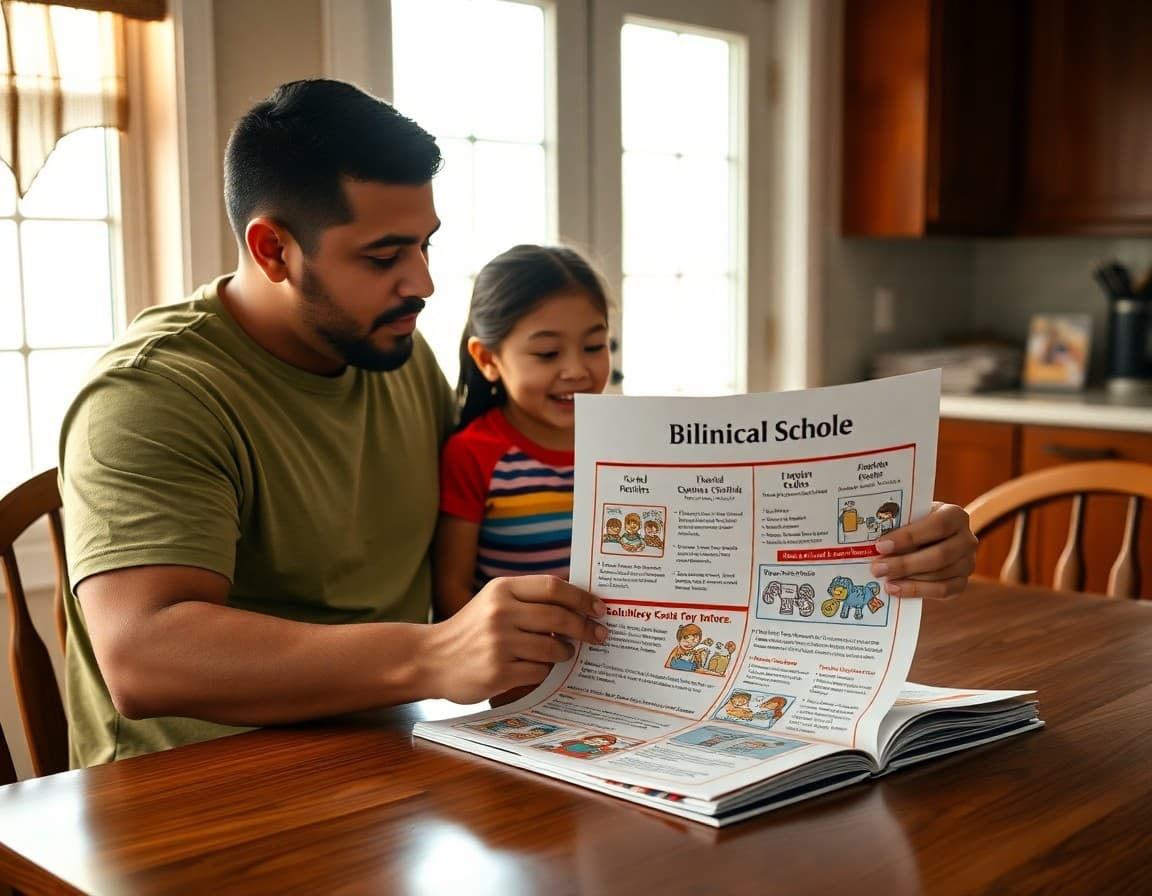
Oklahoma's ELL population includes Spanish-speaking families from diverse backgrounds -- urban families in Oklahoma City and Tulsa, agricultural worker families in western Oklahoma, and recent immigrants in food processing communities. The state also has a unique Native American context that shapes how some families relate to English acquisition programs. Here is how to write a newsletter that serves all of these communities well.
Oklahoma's Language Access Obligations
Oklahoma's OSDE Title III program requires districts to communicate meaningfully with ELL families in their home language. This obligation covers significant communications including information about school programs, student services, and enrollment. For routine monthly newsletters, the standard practice in most Oklahoma districts is Spanish translation for Spanish-speaking families and reliance on interpreter services for other languages. Document your translation process and archive translated newsletters for compliance reviews.
Language Priorities for Oklahoma ELL Newsletters
Spanish is the priority for the vast majority of Oklahoma ELL programs. Specific community profiles by region:
- Oklahoma City metro: Spanish, Vietnamese, Arabic
- Tulsa metro: Spanish, Arabic, Swahili
- Western Oklahoma and panhandle: Spanish (migrant agricultural workers)
- Communities near major tribal nations: Cherokee, Choctaw, Mvskoke -- though note these are primarily oral languages
Reaching Oklahoma's Migrant Families
Oklahoma's western agricultural communities have significant migrant worker families who follow crop cycles. These families need a newsletter that is extremely accessible:
- Write at approximately a fourth-grade English level (translated from the same level in Spanish)
- Use numbered lists for anything sequential
- Include your direct phone number and specify when you are available by phone
- Mention Oklahoma's Migrant Education Program (OMEP) contact: 405-521-3308
- Note that students' academic and health records transfer between states through the Migrant Student Records Exchange system
A Template Excerpt for Oklahoma ELL Newsletters
English: ACCESS testing begins February 3. This test measures how much English your child has learned this year. It does not affect their grades. Testing takes about 90 minutes over two days. Students should attend school on testing days. If your family travels for work during this period, please let me know in advance -- we can make arrangements.
Español: Las pruebas ACCESS comienzan el 3 de febrero. Esta prueba mide cuanto ingles ha aprendido su hijo este ano. No afecta sus calificaciones. Las pruebas toman aproximadamente 90 minutos en dos dias. Si su familia viaja por trabajo durante este periodo, comuniquese conmigo con anticipacion.
Cherokee and Other Tribal Language Contexts
Oklahoma's unique tribal context means that some ELL program students come from families where a tribal language is spoken at home. Cherokee has a written system and published learning materials; Choctaw, Mvskoke, and other Oklahoma tribal languages have varying degrees of written representation. For families where a tribal language is primary, a written newsletter in English or Spanish may not be the most effective communication channel. Your newsletter should include a clear statement that interpretation is available for all school meetings and communications, and that the school values and respects the family's home language.
Coordinate with your district's Indian Education coordinator to ensure tribal language families receive communication through channels that work for them. The newsletter is one tool; community liaisons and tribal education departments are often more effective for reaching these specific families.
Building Family Trust in Oklahoma ELL Programs
Many Oklahoma ELL families, particularly those in migrant communities or mixed-status households, have reasons to be cautious about institutional communication. A newsletter that is factual, helpful, and explicit about what it is ("a monthly update about your child's learning program") and what it is not ("an immigration enforcement tool") builds the trust that makes family engagement possible. Include a confidentiality note in your first newsletter of the year: "This newsletter is sent to all families in our program. We do not share family information with immigration authorities." Daystage's bilingual format lets you deliver this communication professionally without spending hours on formatting each month.
Get one newsletter idea every week.
Free. For teachers. No spam.
Frequently asked questions
What are Oklahoma's language access requirements for ELL family communication?
Under Title III of ESSA and the OSDE's ELL program guidance, Oklahoma school districts must communicate with families of ELL students in a language they understand. Districts with 20 or more students speaking the same language are expected to provide translated materials. The OSDE's Title III office provides guidance and some resources for districts building language access systems. Oklahoma also has specific bilingual education regulations that apply to districts with significant ELL populations.
What languages are most important for Oklahoma ELL newsletters?
Spanish is by far the most important language for Oklahoma ELL newsletters, accounting for the majority of ELL students statewide. Vietnamese is significant in Oklahoma City. Arabic and Swahili appear in some urban districts. In communities near major tribes, Cherokee, Choctaw, and Mvskoke (Creek) languages may be relevant -- though these have primarily oral traditions and limited written translation resources.
How do I reach Oklahoma's migrant and seasonal agricultural worker families?
Oklahoma has a significant migrant agricultural worker population, particularly in western OK and the panhandle. These families have extremely demanding work schedules and may move during the school year. Use very plain language, mobile-optimized formats, and include the Oklahoma Migrant Education Program contact (OMEP provides services for eligible migrant students). Acknowledge that the school understands seasonal work schedules and include your contact information prominently so families can reach you directly when their schedule allows.
How does WIDA ACCESS testing affect Oklahoma ELL newsletter content?
Oklahoma uses the WIDA ACCESS assessment annually, typically in January through March. Your January newsletter should explain what ACCESS measures, what proficiency levels mean, and how scores affect ELL service eligibility. For Oklahoma's migrant families, note that ACCESS scores from previous schools transfer -- a student who tested in another state's school this year may not need to retest in Oklahoma.
What tools help Oklahoma ELL teachers produce bilingual newsletters?
Daystage's bilingual layout works well for OK ELL teachers who need Spanish-English parallel content. For migrant family newsletters that need to be especially plain and mobile-friendly, Daystage's HTML format loads reliably on cellular connections. Pair it with your district's bilingual staff or the OSDE's translation resources for a complete workflow.

Adi Ackerman
Author
Adi Ackerman is a former classroom teacher and curriculum writer with 8 years in K-8 schools. She writes about school communication, parent engagement, and what actually works in real classrooms.
Ready to send your first newsletter?
3 newsletters free. No credit card. First one ready in under 5 minutes.
Get started free