

New York ELL School Newsletter: Reaching Multilingual Families
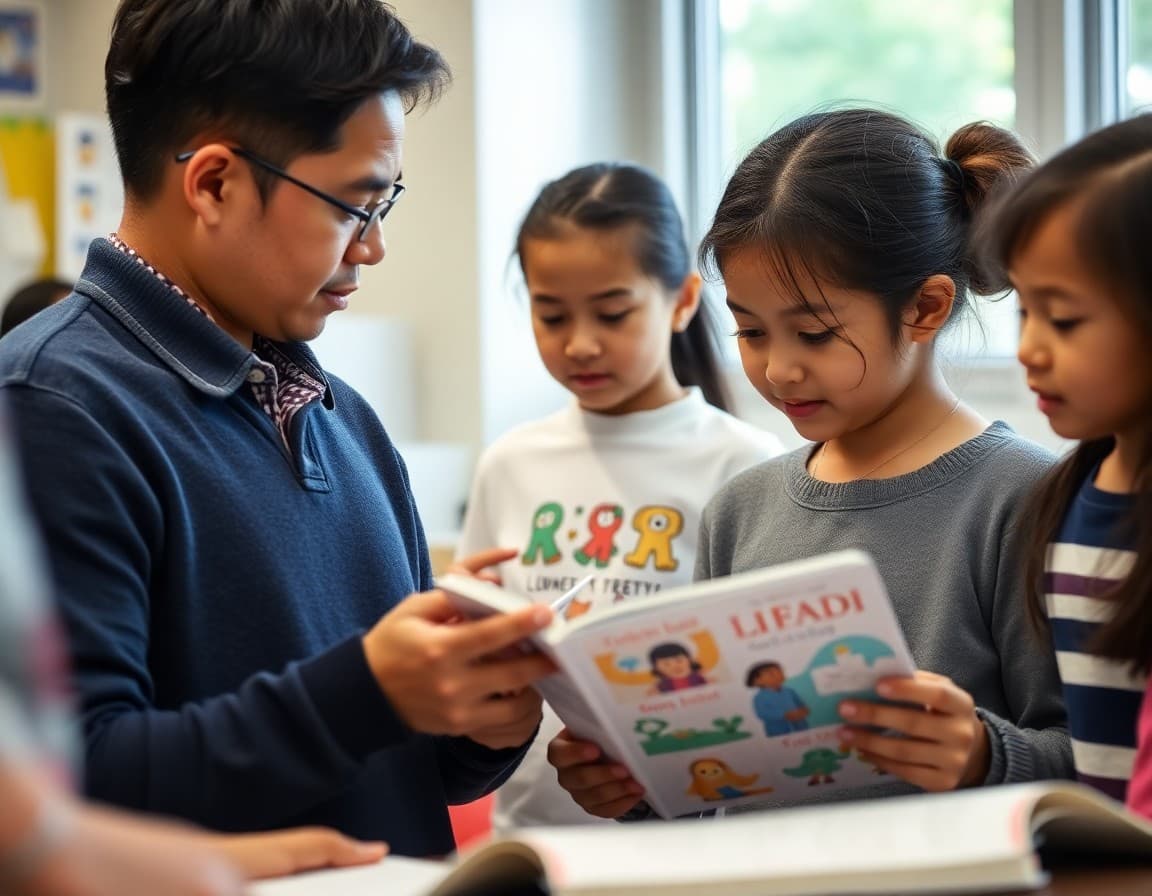
New York City is home to the largest and most linguistically diverse student population in the United States. Over 200 languages are spoken by NYC DOE families. Upstate New York has seen significant refugee resettlement in cities like Utica, Buffalo, and Rochester, creating diverse language communities in school districts that were historically far less complex. For ELL teachers across the state, reaching multilingual families through newsletters is both a legal obligation and a meaningful way to build relationships that improve student outcomes.
New York's Legal Framework for ELL Family Communication
NYC's Chancellor's Regulation A-663 requires schools to provide language access services to families with limited English proficiency. This includes written translation of key documents and interpretation services for meetings and events. The regulation applies to newsletters when they contain important information about programs, student services, or school policies. NY State's Title III obligations and Title VI of the Civil Rights Act reinforce these requirements.
The practical implication: your monthly ELL newsletter must be made available in the primary languages of your school's ELL families. This does not mean hand-translated by you personally -- it means having a workflow that produces translated versions through the DOE Translation Unit or bilingual staff review.
Language Priorities for Your NY ELL Newsletter
For NYC teachers, the DOE Translation Unit covers the nine most common languages: Spanish, Chinese (Simplified), Chinese (Traditional), Bengali, Arabic, Haitian Creole, Urdu, Russian, and French. If your school has significant populations speaking other languages (Fulani, Wolof, Tigrinya, Karen, etc.), coordinate with your Parent Coordinator for additional resources. For upstate NY teachers, check your district's Home Language Survey data annually -- refugee resettlement patterns shift language needs quickly.
Writing ELL Newsletter Content That Works in NY
NY ELL families come from diverse educational backgrounds. Some have advanced degrees from their home countries; others have limited formal schooling. Write for the least formally educated reader without being condescending. Short sentences, plain vocabulary, numbered lists, and full explanation of every acronym are non-negotiable. NYSESLAT, ENL, ICT, ACS, ATS -- none of these mean anything to a family from rural Bangladesh or coastal Senegal.
Key NY-specific content to include:
- Explanation of ENL services (what they are, when, how they support English acquisition)
- NYSESLAT testing schedule and what the test measures
- Proficiency levels and what they mean for continued ELL services
- NYC Family Welcome Centers (free support for families navigating school enrollment)
- NYC Immigration Hotline (1-800-354-0365) if relevant to your community
A Template Excerpt for NYC ELL Newsletters
English: NYSESLAT testing begins February 24. This test measures your child's English language skills. It does not affect their grades or promotion. Students should come to school on time, well-rested, and have eaten breakfast. There is nothing to study. The test takes about 60 minutes per day over three days.
Español: Las pruebas NYSESLAT comienzan el 24 de febrero. Esta prueba mide las habilidades de ingles de su hijo. No afecta sus calificaciones ni su promocion. Los estudiantes deben llegar a tiempo, bien descansados y habiendo desayunado.
中文: NYSESLAT考试从2月24日开始。这项测试衡量您孩子的英语语言能力,不影响成绩或升级。学生应按时到校,保证充足休息和早餐。
Covering NYSESLAT Testing and Proficiency Levels
New York uses the NYSESLAT (New York State English as a Second Language Achievement Test) to assess ELL students annually. Testing typically occurs in February and March. Your January newsletter should explain the test clearly:
- NYSESLAT measures English proficiency in listening, speaking, reading, and writing
- Scores are reported as Entering, Emerging, Transitioning, Expanding, or Commanding
- A student who scores Commanding exits ELL services -- this is a success, not a loss
- Students who exit continue to be monitored for two years (the LIEP monitoring period)
Building Trust with NYC's Immigrant Families
Many NYC ELL families have complicated relationships with government institutions. A warm, informative newsletter from their child's teacher -- arriving consistently, in their language, without bureaucratic jargon -- builds the kind of trust that gets families to show up for conferences, respond to concerns, and engage with their child's education. Small details matter: use a greeting in the home language, reference a cultural event or community celebration without being condescending, and always include a direct phone number for a bilingual staff member. Daystage's bilingual layout makes it possible to deliver this professional, accessible communication without spending hours on formatting.
Upstate NY ELL Newsletters: Refugee Community Context
In Utica, Buffalo, Rochester, and Syracuse, ELL programs serve significant refugee populations from Somalia, Myanmar, the Democratic Republic of Congo, Iraq, and other countries. Many of these families have experienced trauma and have limited trust in institutions. Newsletter content for these communities should be especially plain, include explicit statements about confidentiality ("this newsletter is sent to all families and does not share your child's information with anyone outside the school"), and mention free local resources like refugee resettlement agencies and English literacy programs for adults.
Get one newsletter idea every week.
Free. For teachers. No spam.
Frequently asked questions
What are New York's language access requirements for ELL family communication?
Under New York's Chancellor's Regulations (for NYC) and NYSED guidance, districts must communicate with parents in a language they can understand. NYC DOE's Chancellor's Regulation A-663 requires schools to provide translation and interpretation services to families who need them. NY State's Title III requirements reinforce these obligations. For NYC, the Translation and Interpretation Unit provides free translation for the nine most common non-English languages in the district.
Which languages are most common in New York ELL programs?
Spanish is by far the most common, serving more than half of NYC's ELL students. Chinese (Mandarin and Cantonese), Bengali, Arabic, Haitian Creole, Urdu, Russian, French, and Korean are also among the top languages in NYC. Upstate NY districts have different language profiles -- Spanish is common, but Somali, Arabic, Karen, and Nepali appear frequently in refugee resettlement communities in cities like Utica, Rochester, and Buffalo.
How do NYC ELL teachers access translation resources for newsletters?
The NYC DOE Translation and Interpretation Unit provides free written translation services for the nine most common languages. Submit content through the DOE's online portal with at least two weeks lead time. For languages not covered by the unit, contact your school's Parent Coordinator, who has access to additional community interpreter resources. In-school bilingual staff can review routine content if you need a faster turnaround.
What ELL-specific content do NY families most need in newsletters?
Explain the difference between English Language Arts instruction and English as a New Language (ENL) services in NY -- many families do not understand that their child receives both. Cover NYSESLAT testing (NY's annual ELL assessment) in your January and February newsletters. Explain what proficiency levels mean and how students exit ELL services. For NYC families, mention free resources like the DOE's Family Welcome Centers and the NYC Immigration Hotline.
What tools help NY ELL teachers produce multilingual newsletters efficiently?
Daystage supports bilingual layout with side-by-side language columns, which is particularly useful for NYC ELL teachers working with Spanish-English bilingual content. Pair it with the DOE Translation Unit for major languages and bilingual staff review for routine content. The scheduling feature lets you draft newsletters in advance and send automatically, which is critical during NYSESLAT testing season when your time is extremely limited.

Adi Ackerman
Author
Adi Ackerman is a former classroom teacher and curriculum writer with 8 years in K-8 schools. She writes about school communication, parent engagement, and what actually works in real classrooms.
Ready to send your first newsletter?
3 newsletters free. No credit card. First one ready in under 5 minutes.
Get started free