
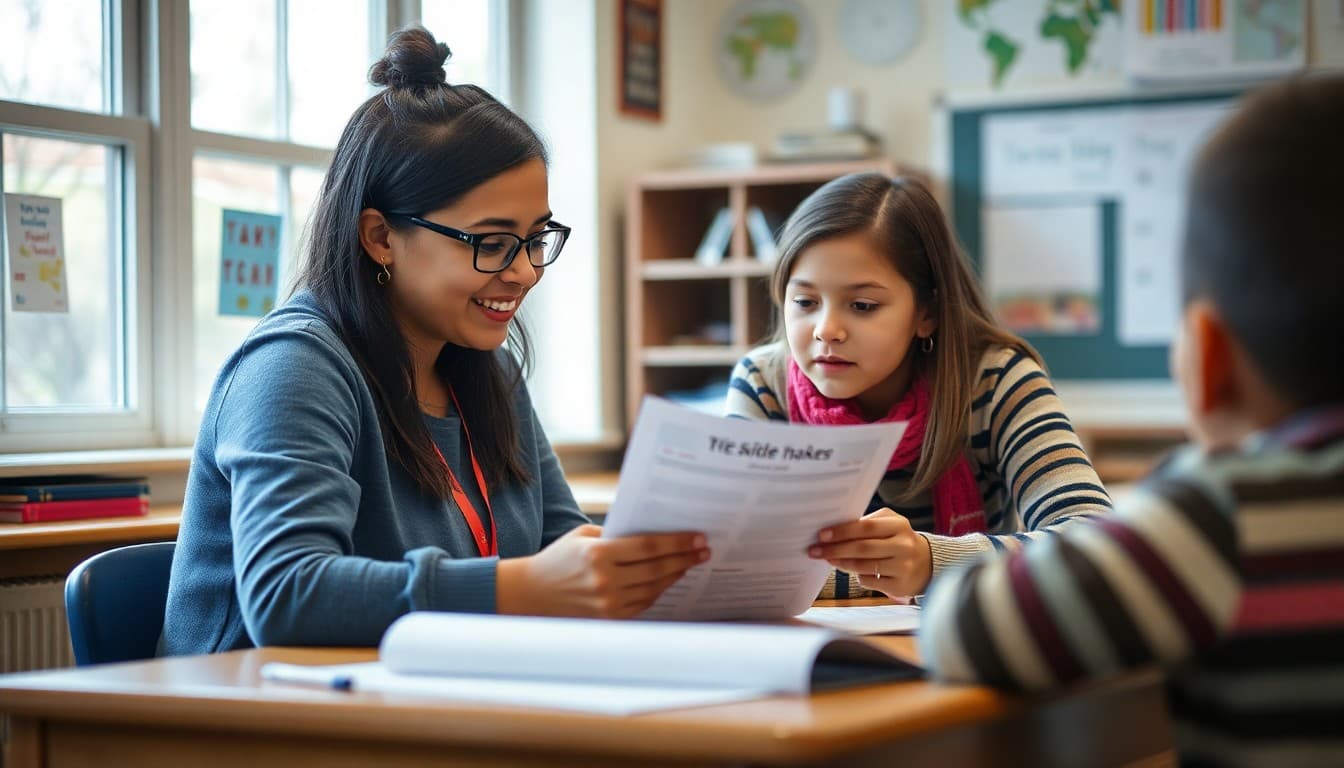
New Hampshire ELL School Newsletter: Reaching Multilingual Families
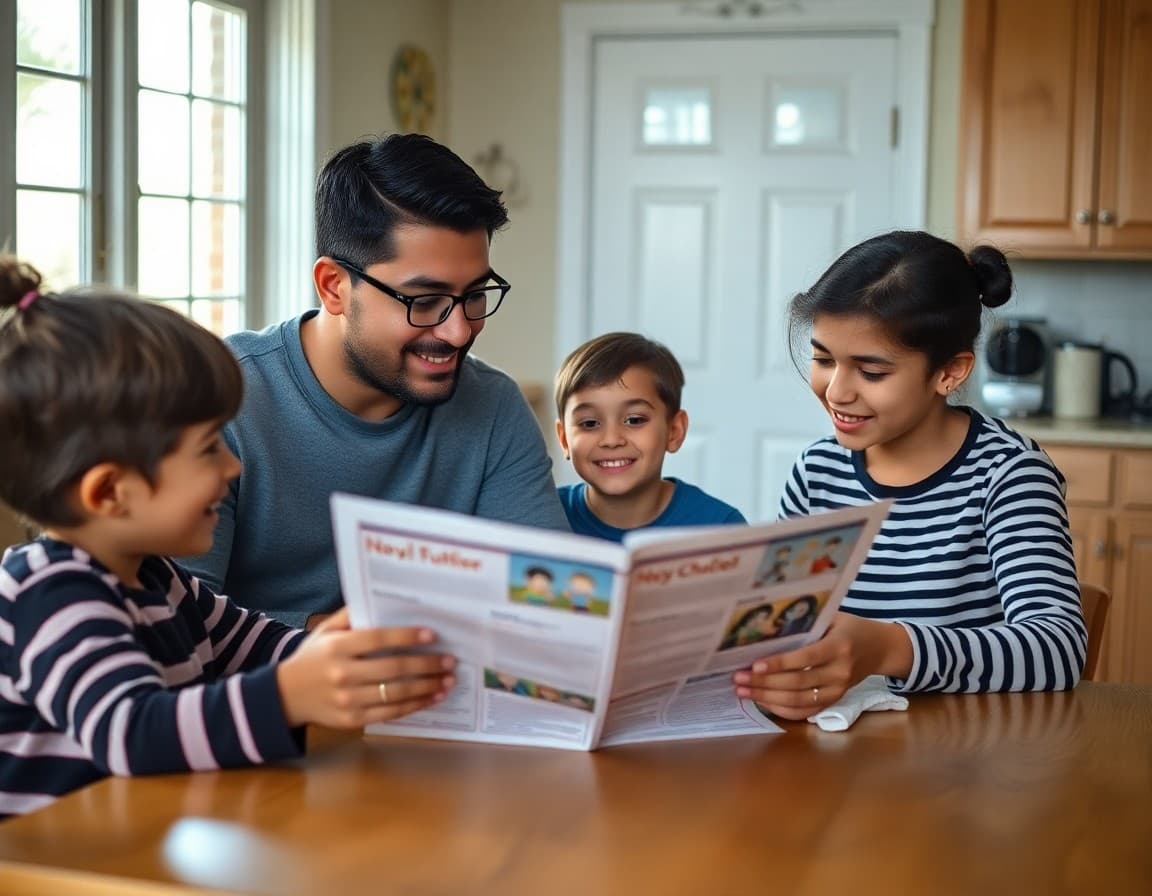
New Hampshire's ELL population has grown steadily over the past decade, with the largest concentrations in Manchester, Nashua, and Concord. Teachers and ELL coordinators in those districts face a real challenge: how do you write a newsletter that reaches Nepali-speaking families in South Manchester with the same clarity it delivers to English-speaking families in the suburbs? This guide covers language access obligations, writing strategies, and format choices that actually work.
Understanding NH Language Access Obligations
New Hampshire schools that receive federal funding are required under Title III of ESSA and Title VI of the Civil Rights Act to provide meaningful communication to families with limited English proficiency. The NH Department of Education reinforces this in its language access guidance, which calls on districts to identify the languages spoken by families each fall and to have translation protocols in place.
This does not mean you need a professionally translated newsletter every week. It means that for significant communications -- including academic progress reports, IEP meeting notices, discipline letters, and enrollment information -- translation must be available. Monthly ELL newsletters fall into the "important communication" category and should be translated into the primary languages spoken by your families.
Which Languages to Prioritize in NH ELL Newsletters
The NH DOE publishes home language survey data annually. For most districts with significant ELL populations, the priority list looks like this:
- Spanish (statewide, largest ELL group)
- Nepali (significant in Manchester)
- Portuguese (Nashua and southern NH)
- Somali (Manchester)
- Arabic (multiple districts)
Check your district's current data rather than assuming last year's list still applies. A new refugee resettlement can shift the language needs of a school building significantly within a single semester.
Writing Newsletter Content That Translates Cleanly
The biggest mistake in multilingual newsletters is writing English content that is full of idioms, acronyms, and cultural references, then running it through an automated translator. The result is confusing even for fluent readers.
Write for translation from the start:
- Use complete words for acronyms: write "Individualized Education Program (IEP)" not just "IEP"
- Spell out dates fully: "November 12, 2026" not "11/12/26"
- Avoid idioms: write "students will take a practice test" not "we will be doing a run-through"
- Keep sentences under 20 words where possible
- Use numbered lists for sequences of steps or deadlines
A Template Excerpt for NH ELL Newsletters
Here is a section from a Manchester elementary ELL newsletter that worked well for multilingual families:
English: Parent-teacher conferences are on November 18 and 19. Your child's ELL teacher will be available both days from 3:00 PM to 6:00 PM. To schedule a meeting, please call the main office at (603) 555-0100 or return the form sent home on November 5.
Español: Las conferencias de padres y maestros son el 18 y 19 de noviembre. La maestra de inglés como segundo idioma estará disponible ambos días de 3:00 PM a 6:00 PM.
Note that the English version is deliberately plain. No jargon, no idioms, full dates. This makes the Spanish translation accurate and easy for a community liaison to verify quickly.
Covering ELL Academic Progress in Your Newsletter
Families of ELL students often do not understand the difference between English language proficiency levels and academic grades. Your newsletter can bridge that gap with a brief explanation each quarter. For example, explain that a student at WIDA Level 3 is making expected progress in English acquisition, even if their reading grade in the core curriculum still reflects developing fluency.
Include the timeline for ACCESS testing in your January or February newsletter. Many NH families do not know that ACCESS scores determine a student's continued ELL services, and some are surprised when a student exits the program. Advance communication reduces that friction significantly.
Building Trust Through Consistent Communication
ELL families often report feeling disconnected from school because most communications assume English literacy. A newsletter that arrives in their home language, even once a month, signals that the school sees them. Small details matter: greet families by name in the opener when possible, reference community events or cultural holidays without making assumptions, and always include a direct phone number for a bilingual staff member.
Many ELL teachers find that open rates for bilingual newsletters are significantly higher than for English-only versions. Families who feel addressed directly are more likely to show up for conferences and respond to volunteer requests.
Managing the Translation Workflow Without Burning Out
Translation takes time. A sustainable workflow for most NH ELL teachers looks like this: write the English version first, then send it to a district-approved translator or bilingual community liaison two weeks before your send date. For languages where you do not have a bilingual staff member, use a translation tool for a first draft and ask a native-speaking family volunteer to review it.
Build a glossary of school-specific terms in each language you regularly use. Words like "report card," "IEP," "504 plan," and "lunch account" are used every month. Having approved translations for those terms cuts your review time significantly. Daystage's side-by-side bilingual layout means you only format once and both language columns stay aligned automatically.
What to Include Every Month
A consistent monthly structure helps families know what to look for:
- A one-paragraph update on what ELL students are working on this month
- Upcoming dates (testing windows, conferences, school events)
- One family engagement tip in the home language (a vocabulary activity, a reading suggestion)
- Contact information for the ELL teacher and any bilingual support staff
- A resource link -- even just one -- from the NH DOE or a trusted organization like NHAEYC or the NH Refugee Assistance Program
Get one newsletter idea every week.
Free. For teachers. No spam.
Frequently asked questions
What language access requirements apply to NH school newsletters for ELL families?
Under Title III of the Every Student Succeeds Act and the New Hampshire Department of Education's language access guidance, districts must provide meaningful communication to parents with limited English proficiency. This includes translating key school notices into the primary languages spoken by families in the district. Manchester and Nashua districts with large ELL populations are expected to maintain translation protocols and notify families of their right to translated materials.
Which languages are most commonly needed in New Hampshire ELL newsletters?
Spanish is the most common language after English in New Hampshire schools. Nepali, Portuguese, Somali, and Arabic also appear frequently, particularly in Manchester, Nashua, and Concord. The NH DOE publishes annual language data by district; checking that report each fall lets you prioritize which translations to produce each year.
How do I write newsletter content that translates well?
Use short, direct sentences with no idioms or slang. Avoid acronyms without spelling them out. Write dates in full (November 12, not 11/12) since date formats differ internationally. Numbered lists are easier to parse than long paragraphs. Avoid contractions in content meant for translation, as they sometimes trip up automated translation tools.
Should I send separate newsletters for ELL and non-ELL families?
Most ELL coordinators send one newsletter with a translated section or a clearly labeled bilingual format rather than two separate documents. A single communication prevents information gaps and reduces the workload of maintaining two separate content streams. A bilingual format also signals inclusion to multilingual families rather than making them feel separated from the school community.
What tools help ELL coordinators in NH produce translated newsletters efficiently?
Daystage supports bilingual newsletter layouts so you can place English and translated text side by side without manual formatting work. Pair that with a district-approved human review process for any high-stakes content like IEP meeting notices or disciplinary communications. For routine newsletters, a translation tool plus a fluent staff member or community liaison for a quick review is usually sufficient.

Adi Ackerman
Author
Adi Ackerman is a former classroom teacher and curriculum writer with 8 years in K-8 schools. She writes about school communication, parent engagement, and what actually works in real classrooms.
More for ELL & ESL
Ready to send your first newsletter?
3 newsletters free. No credit card. First one ready in under 5 minutes.
Get started free