

Montana ELL School Newsletter: Reaching Multilingual Families
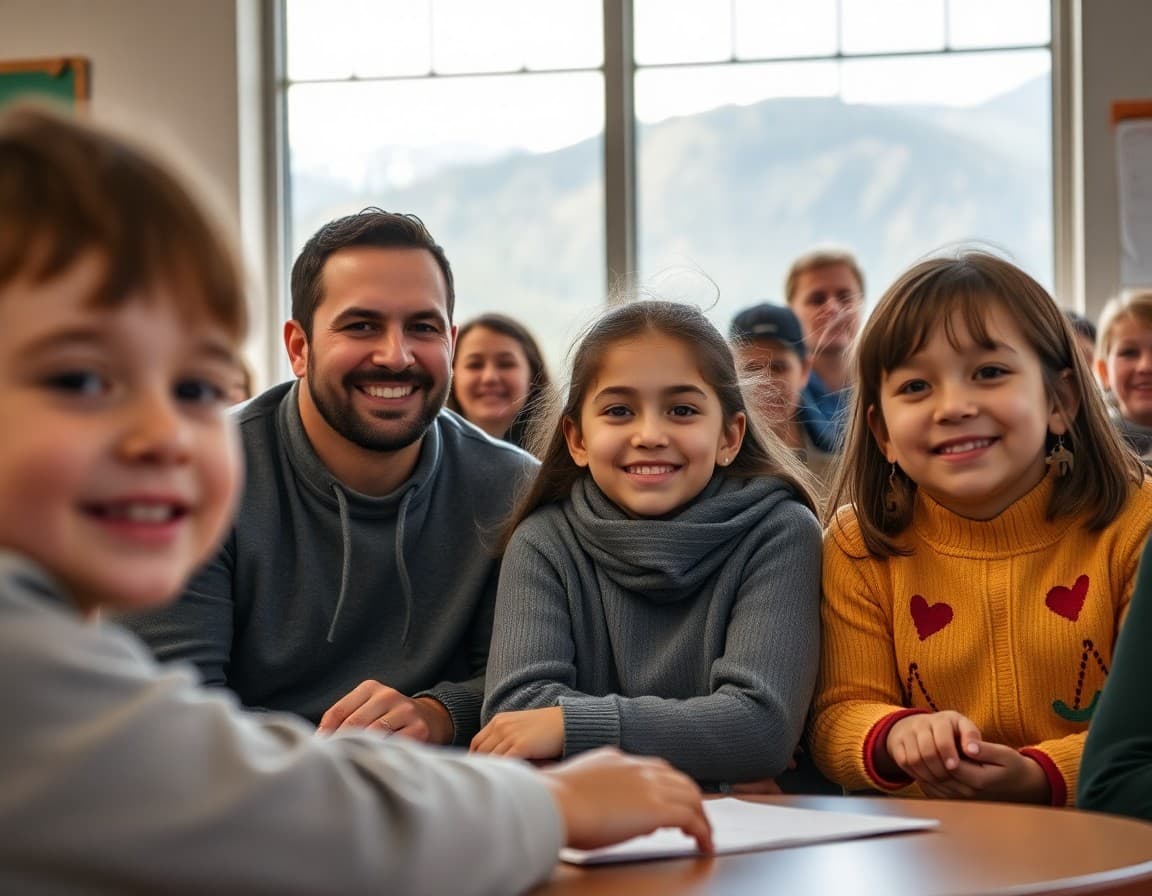
Montana's ELL landscape is shaped by a distinctive combination of factors: Spanish-speaking immigrant communities in agricultural and urban areas, significant Native American tribal communities whose languages and cultures are recognized under the Indian Education for All policy, and the geographic isolation of rural Montana that affects how any communication reaches families. ELL newsletters in Montana need to be thoughtfully designed for these specific contexts.
Montana's ELL Communities
Montana has approximately 8,000 English Language Learners in its public schools. Spanish speakers make up the largest group, primarily Mexican and Central American families working in agriculture, construction, and food processing in Billings, Great Falls, and the Yellowstone Valley region. Tribal communities on Montana's seven reservations have their own ELL considerations: students who speak tribal languages alongside English, families who value language revitalization, and cultural communication needs that go beyond language translation.
Montana's cities, particularly Missoula and Billings, have smaller but growing populations of Somali, Hmong, and other recent immigrant and refugee families whose children are enrolled in ELL programs.
Title III Language Access in Montana
Montana's Office of Public Instruction follows Title III requirements and provides guidance to districts on language access obligations. Montana schools with significant ELL populations must provide translated communications and interpretation services for families who need them. For tribal students with ELL designations, the obligations intersect with Indian Education for All cultural responsiveness requirements, creating a communication standard that addresses both language and cultural accessibility.
Serving Montana's Spanish-Speaking ELL Families
Spanish-speaking families in Montana are concentrated in agricultural communities and the state's larger cities. Many are Mexican and Central American families who have been in Montana for a decade or more, working in agriculture, construction, and service industries. For these families, Spanish newsletters are the standard for meaningful school communication. Google Translate produces usable Spanish drafts that a bilingual staff member or parent volunteer can review for accuracy.
Montana's agricultural communities may have seasonal workers who move between states. For families with seasonal mobility, newsletters that clearly identify the school year timeline, key deadlines, and stable contact information help maintain connection during periods of movement.
Cultural Communication With Montana's Tribal Communities
Montana's tribal communities have specific cultural communication contexts that go beyond language translation. Many tribal families speak English as their primary language but have cultural values, institutional trust levels, and community communication patterns that shape how they engage with school newsletters. Newsletters that acknowledge tribal events, include respectful references to Indigenous history and contemporary tribal issues, and connect curriculum to tribal heritage build the cultural trust that makes family engagement possible.
Including a word in a local tribal language, such as a greeting in Crow, Blackfoot, or Salish, with its English meaning, is a small gesture that carries significant symbolic weight for tribal families. Montana's tribal education departments can provide guidance on appropriate language use.
A Template Excerpt for Montana ELL Newsletters
Here is a section with English-Spanish parallel content:
"Reading this month: Students worked on reading informational texts about Montana ecosystems. We practiced identifying main ideas and supporting details. These are key skills for the MontCAS reading assessment. You can help at home by asking your child to tell you the main idea of something they read. // Lectura este mes: Los estudiantes trabajaron en la lectura de textos informativos sobre los ecosistemas de Montana. Practicamos identificar las ideas principales y los detalles de apoyo. Puede ayudar en casa pidiendo a su hijo que le diga la idea principal de algo que leyó."
The Digital Access Challenge in Rural Montana
Montana's rural ELL families face the state's broadband challenge alongside the language barriers. Many families in agricultural communities and near reservations rely entirely on cellular data, often with monthly data limits. Newsletters should be lightweight: text-forward, compressed images, and no embedded video. For families who are not reliably reachable digitally, printed newsletters remain an important backup. Schools in small Montana communities often have the advantage of personal relationships with ELL families that make follow-up easier when digital delivery fails.
Building Trust Through Consistent Communication
Montana ELL families, whether Spanish-speaking immigrants in agricultural communities or tribal families navigating relationships with a non-tribal public school institution, build trust through consistent, respectful, useful communication. A newsletter that arrives regularly, is translated into the family's language, and contains information that genuinely helps them support their child's education demonstrates the kind of institutional respect that overcomes historical distrust. Start simply, maintain consistency, and improve quality over time. The relationship built over a full Montana school year through consistent newsletters is the foundation for everything else that happens between the school and the family.
Get one newsletter idea every week.
Free. For teachers. No spam.
Frequently asked questions
What languages are most common among Montana ELL families?
Spanish is the most common ELL home language in Montana, with concentrated populations in Billings, Great Falls, and agricultural communities. Native American languages, including Crow, Blackfoot, Cheyenne, Salish, Kootenai, and Assiniboine, are significant in reservation communities and school areas near reservations. Montana also has smaller populations of Hmong, Vietnamese, and other immigrant communities in its larger cities. Each community has distinct language and cultural needs that shape newsletter design.
How should Montana ELL newsletters address Native American language heritage?
While most Native American students in Montana public schools are English proficient, many families speak or value Indigenous languages as important cultural heritage. Newsletters that include a word or phrase in a local tribal language, acknowledge language revitalization efforts, or connect to tribal language programs build significant goodwill with tribal communities. Montana's Indian Education for All policy supports this kind of cultural acknowledgment in all public school communications.
What are Montana's legal requirements for ELL family communication?
Montana follows Title III of ESSA for ELL family communication obligations. Schools must provide meaningful communication to families with limited English proficiency. Montana's Office of Public Instruction provides guidance on language access requirements. For schools near reservations where tribal languages are spoken, communication obligations extend to cultural accessibility as well as language translation, particularly for content about tribal students' rights and services.
How can Montana ELL teachers get newsletters translated efficiently?
For Spanish-speaking families in Montana, Google Translate provides usable initial drafts that a bilingual staff member can review. Bilingual community members, Catholic Charities Montana, and local Hispanic community organizations in Billings and Great Falls can assist with translation review. For Native American languages, tribal education departments on Montana's reservations can assist with language content. Keep newsletter language simple and concrete to produce cleaner translations.
How should Montana ELL newsletters reach families in remote areas?
Montana has significant rural and remote communities where digital access is limited. Many families rely on smartphones with limited data. Design newsletters that are text-forward and load quickly on cellular connections. For families in very remote areas, printed newsletter copies sent home with students supplement digital delivery. Daystage creates lightweight newsletters that work on limited bandwidth while maintaining professional formatting.

Adi Ackerman
Author
Adi Ackerman is a former classroom teacher and curriculum writer with 8 years in K-8 schools. She writes about school communication, parent engagement, and what actually works in real classrooms.
Ready to send your first newsletter?
3 newsletters free. No credit card. First one ready in under 5 minutes.
Get started free