
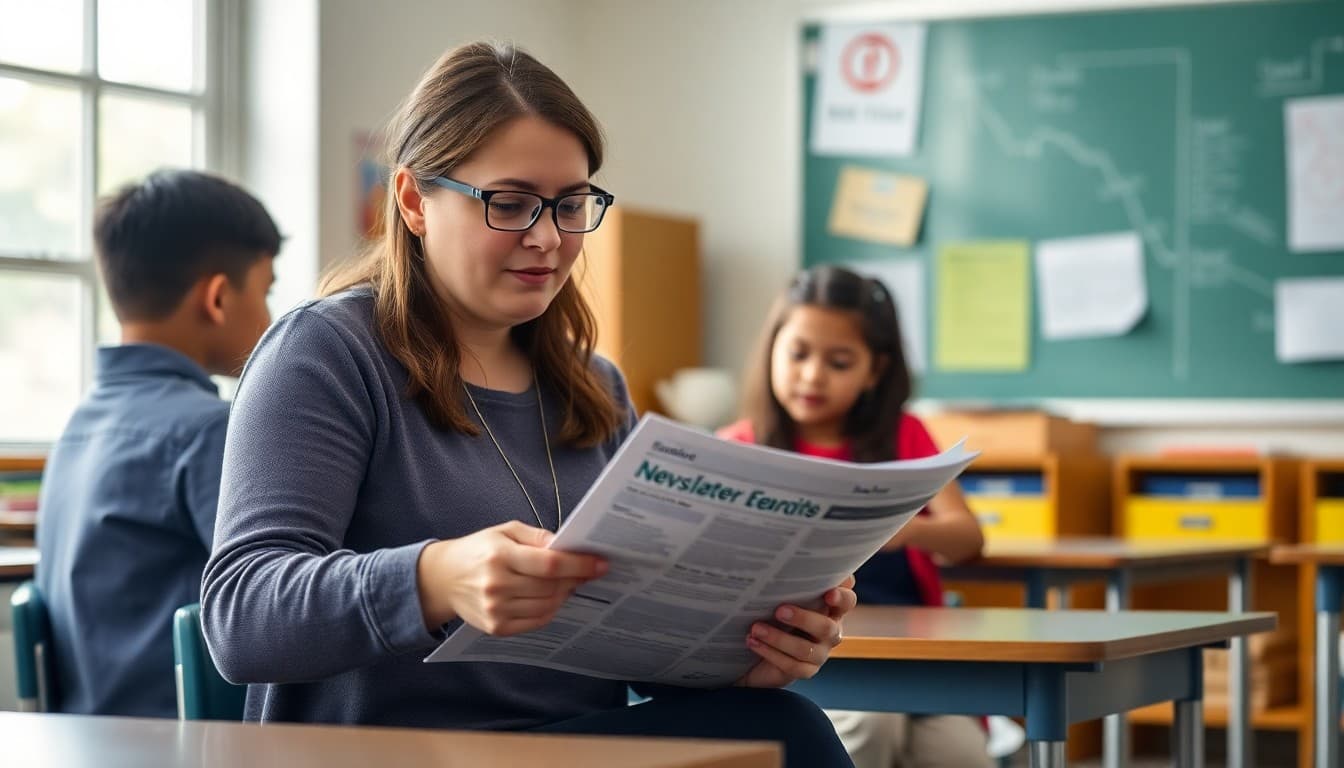
Missouri ELL School Newsletter: Reaching Multilingual Families
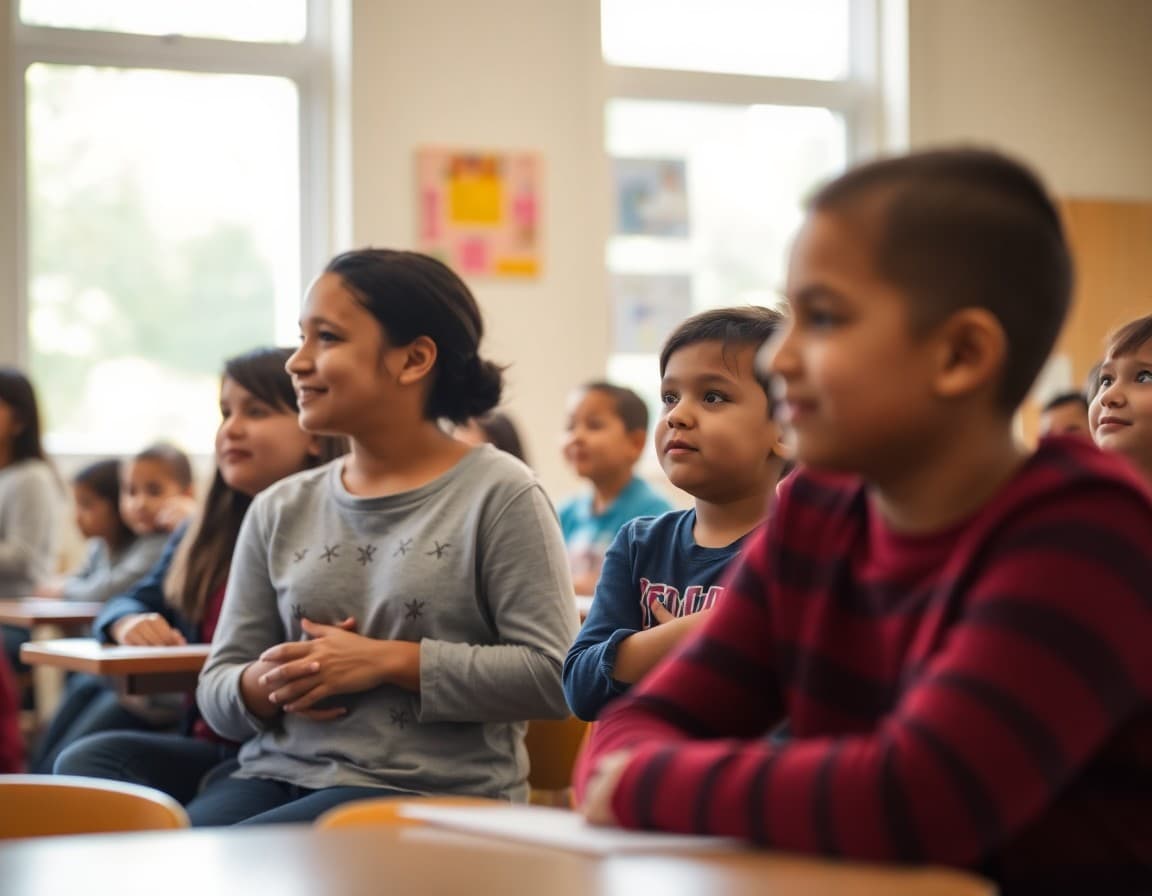
Missouri's ELL landscape is shaped by two distinct demographic forces: the large, established Hispanic and Bosnian communities in Kansas City and St. Louis, and the rural ELL populations in meat processing and agricultural communities across the state. Both communities have specific language needs, cultural contexts, and levels of institutional trust that should shape every newsletter an ELL teacher sends.
Missouri's Multilingual ELL Communities
Missouri has approximately 50,000 English Language Learners in its public schools. Spanish speakers are the largest group, concentrated in Kansas City, St. Louis, and a ring of rural communities tied to poultry and beef processing. St. Louis's Bosnian community, one of the largest in the US, has been present since the 1990s and has its own established neighborhood, schools, and cultural institutions. Kansas City has growing Somali and Burmese communities. The diversity of these communities means there is no single Missouri ELL newsletter approach.
Understanding the specific community a teacher serves is the necessary first step. A newsletter designed for Bosnian families in St. Louis's Bevo Mill neighborhood will look very different from one designed for Spanish-speaking families in a rural meat processing town.
Title III Language Access in Missouri
Missouri follows Title III of ESSA for ELL family communication obligations. Schools must provide meaningful access to information for families with limited English proficiency. The Missouri DESE English Language Learner Programs team can provide guidance to districts on meeting these requirements. Missouri's Title III allocation distributes funding based on ELL enrollment, and teachers in schools with significant ELL populations should know what translation and interpretation support their district provides.
Serving St. Louis's Bosnian Community
The Bosnian community in St. Louis is well-established and has organizations that can support school communication. The International Institute of St. Louis provides translation services and community liaison support. The Bosnian language uses Latin script with some additional characters, and Google Translate produces usable Bosnian translations with some accuracy limitations that a community reviewer can address. Including a brief Bosnian translation header in newsletters for schools serving Bosnian families signals inclusion that these families, many of whom experienced trauma and displacement, genuinely appreciate.
Designing Bilingual Newsletters for Missouri Families
The practical format for Missouri ELL newsletters is English primary content with translated summaries in the one or two most common home languages in the classroom. Prioritize: assessment dates, permission slips, service changes, and information requiring family action. Keep English content simple so translations are more accurate. "The MAP test is on April 15" translates cleanly. "The statewide summative assessment will be administered during the spring testing window" does not.
A Template Excerpt for Missouri ELL Newsletters
Here is a parallel English-Spanish section that works for elementary grades:
"School Conference: Parent-teacher conferences are on November 14. Time: 3 PM to 7 PM. An interpreter is available for Spanish-speaking families. Please call [number] to schedule your appointment. // Conferencia escolar: Las conferencias de padres y maestros son el 14 de noviembre. Hora: 3 PM a 7 PM. Hay un intérprete disponible para familias que hablan español. Por favor llame al [número] para programar su cita."
Rural Missouri ELL Communities
Missouri's rural meat processing communities in the Ozarks and northwest Missouri have limited access to the translation and community support resources available in Kansas City and St. Louis. Teachers in these communities often need to rely on bilingual staff, parent volunteers, or digital translation tools with manual review. The most important thing for rural Missouri ELL newsletters is reliability and simplicity. Send consistently, use plain language, and make sure the Spanish is accurate enough to communicate the key information. Imperfect but consistent beats perfect but occasional every time.
Building Trust in Missouri ELL Communities
ELL families in rural Missouri may have concerns about sharing information with schools due to immigration status anxieties. Consistent, useful newsletters that focus on children's education rather than administrative compliance build trust over time. A family that receives a newsletter helping them understand MAP testing, school events, and their child's progress is more likely to engage with the school than one that only receives bureaucratic communications.
Daystage and other newsletter platforms can make this consistent bilingual communication manageable. Start simply, improve the translation quality over time, and treat the newsletter as a fundamental service to families rather than an optional communication extra. The families who most need the information are the ones who benefit most from consistent delivery.
Get one newsletter idea every week.
Free. For teachers. No spam.
Frequently asked questions
What languages are most common for Missouri ELL newsletters?
Spanish is the most common ELL home language in Missouri, with large populations in Kansas City, St. Louis, Springfield, and rural areas with meat processing industries. Bosnian is historically significant in St. Louis, which has had one of the largest Bosnian refugee communities in the US since the 1990s. Somali communities have grown in Kansas City. Vietnamese, Arabic, Amharic, and Burmese communities also exist in Missouri's urban centers. Check district data to prioritize translation correctly.
How should Missouri ELL teachers reach the Bosnian community in St. Louis?
St. Louis's Bosnian community, centered in the Bevo Mill neighborhood on the south side, is multigenerational and well-established. Many younger Bosnian families have US-born children who are native English speakers but whose parents may still prefer to receive school communications in Bosnian. The International Institute of St. Louis has extensive experience serving the Bosnian community and can connect teachers with translation resources and community liaisons.
What are Missouri's legal requirements for ELL family communication?
Missouri follows Title III of ESSA, requiring meaningful communication with ELL families in accessible language. The Missouri Department of Elementary and Secondary Education's English Language Learner Programs team provides guidance on language access. Missouri's Title III allocation serves a diverse population, and teachers in districts with significant ELL enrollment should coordinate with their Title III coordinator to understand what translation and interpretation support is available.
How should Missouri ELL newsletters address families in rural meat processing communities?
Missouri's rural meat processing communities in places like Milan, Carthage, and Springfield have large Hispanic populations tied to the industry. These families often have irregular work schedules, limited English, and limited familiarity with the US education system. Newsletters for these communities must be in Spanish, should use simple concrete language, and should explicitly offer interpretation for any school meetings mentioned. Trust-building through consistent, respectful communication is particularly important in communities where families may have concerns about immigration status.
What tools help Missouri ELL teachers deliver newsletters to multilingual families?
Mobile-first delivery is essential for Missouri ELL families, particularly in rural and urban communities where smartphones are the primary internet device. Daystage creates newsletters that render well on mobile and allows scheduling for optimal delivery times. For rural Hispanic families with irregular work schedules, Saturday morning delivery often gets higher open rates than weekday sends. Track results and adjust timing based on actual open rate data.

Adi Ackerman
Author
Adi Ackerman is a former classroom teacher and curriculum writer with 8 years in K-8 schools. She writes about school communication, parent engagement, and what actually works in real classrooms.
More for ELL & ESL
Ready to send your first newsletter?
3 newsletters free. No credit card. First one ready in under 5 minutes.
Get started free