

Minnesota ELL School Newsletter: Reaching Multilingual Families
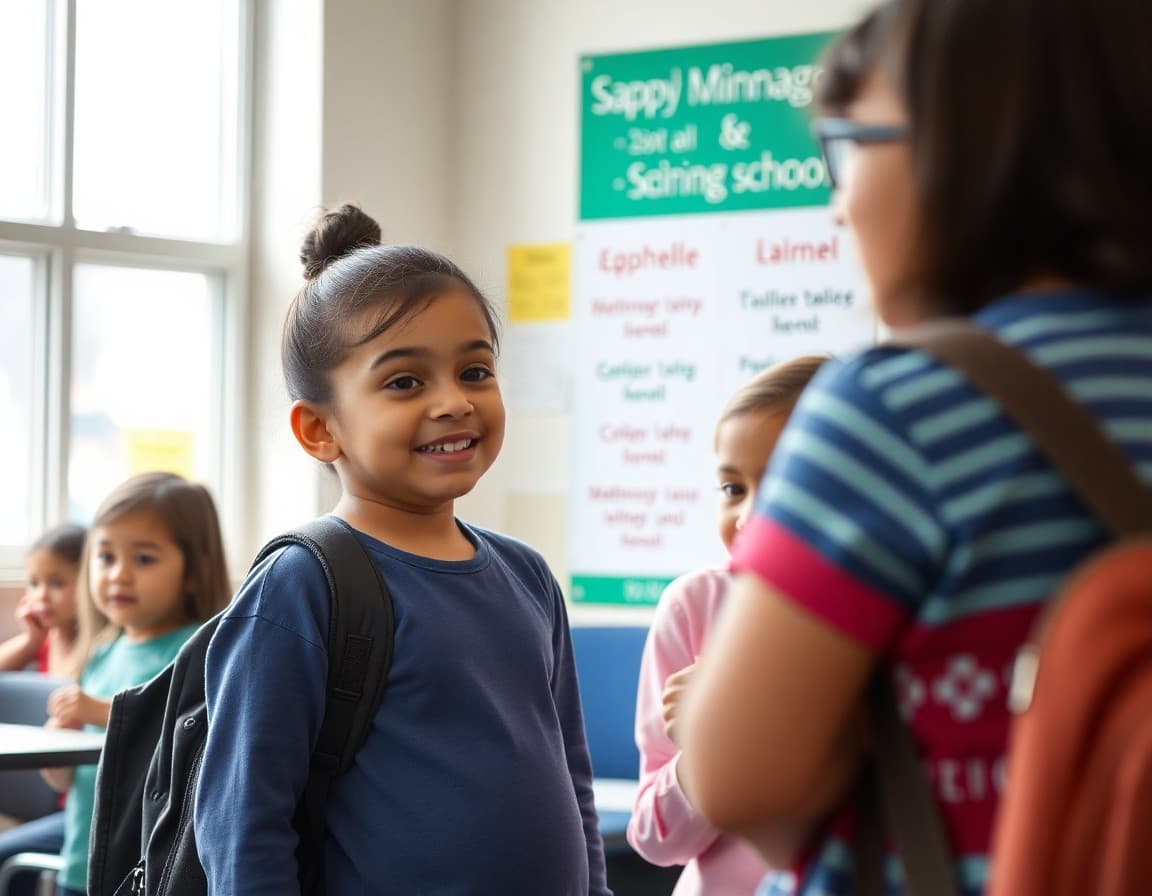
Minnesota ELL teachers work in a state with some of the most distinctive multilingual communities in the country. The United States' largest Somali diaspora is here. The country's largest urban Hmong population is in St. Paul. Growing Latino communities are scattered across the state from the Twin Cities to rural agricultural towns. These communities have specific language needs, cultural contexts, and levels of institutional trust that should shape every newsletter an ELL teacher sends.
Minnesota's Multilingual ELL Landscape
Minnesota has more than 80,000 English Language Learners enrolled in public schools. Minneapolis and St. Paul together account for the majority of ELL enrollment, but Rochester, St. Cloud, Willmar, and other cities have rapidly growing ELL populations. The linguistic diversity is remarkable: in Minneapolis schools alone, more than 80 languages are spoken as home languages.
The Somali community deserves particular attention. Minnesota's Somali population, estimated at more than 100,000 people in the Twin Cities area, is the largest Somali diaspora community in the US. Somali families are highly invested in education and often deeply engaged when schools communicate respectfully in Somali. Newsletters without Somali translations in schools serving Somali students are missing a critical communication opportunity.
Meeting Minnesota's Language Access Requirements
Minnesota's Department of Education requires districts to provide translated communications and interpretation services for ELL families. The state's Title III guidance makes clear that meaningful access to school information is a legal obligation, not an optional service. Teachers in districts with large ELL populations should work with district language access coordinators to understand what translation resources are available and how to document their translation efforts.
Minnesota's active ELL parent advocacy community means that gaps in language access are noticed and reported. Building a consistent, translated newsletter practice proactively is far less work than responding to a complaint about inadequate ELL family communication after the fact.
Designing an Accessible Multilingual Newsletter
The practical approach for Minnesota ELL newsletters is English primary content with translated summaries in the top one or two home languages in the classroom. Full translation of every word is ideal when resources support it. When they do not, prioritize: assessment dates, permission slips, service changes, and any information families need to act on. General classroom descriptions can be summarized rather than fully translated.
Keep English content simple so machine translations are more accurate. Short sentences and concrete language produce cleaner results in Somali, Hmong, and Spanish than complex compound sentences. Write with translation quality in mind before you translate.
A Template Excerpt for Minnesota ELL Newsletters
Here is a section with English and a Somali summary that has worked in Twin Cities schools:
"Reading Progress: This month students practiced reading informational texts and identifying main ideas. We used texts about Minnesota weather and local communities. Students are making strong progress with academic vocabulary. // Horumarka Akhrinta: Bishaan ardayda waxay dhaqangalisay akhrinta qoraallada xogta leh iyo gaarista fikradda ugu muhiimsan. Waxaan isticmaalnay qoraallada ku saabsan cimilada Minnesota iyo bulshooyinka maxalliga ah."
That format is parallel, specific, and models for Somali-speaking families exactly what their child is working on in language terms they understand.
Building Trust With Minnesota's Refugee Communities
Minnesota's Somali community includes many families who arrived through refugee resettlement and may have had interrupted formal education. Some families have literacy challenges in Somali as well as English, which means written newsletters need to be supplemented with other communication channels for these families. Audio messages through school platforms, WhatsApp voice notes, and community liaison outreach are valuable supplements for families who cannot access written newsletters reliably.
The Hmong community in Minnesota has been in the US for more than 40 years following the Vietnam War era refugee resettlement. Many first-generation Hmong parents have limited formal education, but their children and grandchildren are highly educated and often serve as family intermediaries for school communication. Addressing newsletters to the whole family and not just the primary contact acknowledges this community structure.
Connecting Families to Minnesota's ELL Support Resources
Minnesota has an extensive network of organizations that support ELL families. The Center for Victims of Torture serves trauma survivors including refugees from multiple communities. Comunidades Latinas Unidas en Servicio (CLUES) serves Latino families in the Twin Cities. Ka Joog serves East African youth and families. Including one community organization spotlight in each newsletter builds trust and gives families connections to support networks outside the school.
The Minnesota Literacy Council provides free adult English classes for parents of ELL students. Many ELL families want to improve their own English but do not know where to start. Including MLC contact information in newsletters twice per year opens a door for families who would not find it on their own.
Measuring Reach and Adjusting for Minnesota Communities
Track open rates by community. Somali families may have significantly higher WhatsApp engagement than email open rates. Hmong families in St. Paul may have higher Saturday morning open rates than Tuesday morning, depending on community work patterns. Latino families in agricultural areas of Minnesota have seasonal work schedules that affect when they check communications. Test different delivery times and channels and use the data to reach each community more effectively over the course of the school year.
Get one newsletter idea every week.
Free. For teachers. No spam.
Frequently asked questions
What languages are most important for Minnesota ELL newsletters?
Minnesota has the largest Somali diaspora community in the United States, concentrated in Minneapolis, St. Paul, Rochester, and St. Cloud. Hmong is the second largest ELL language group, with large communities in St. Paul and other Twin Cities suburbs. Spanish is third, with significant populations in Rochester, Willmar, and the Twin Cities. Karen, Arabic, Vietnamese, and Amharic are also spoken by significant Minnesota ELL populations. Check school enrollment data to prioritize correctly.
What are Minnesota's legal requirements for ELL family communication?
Minnesota follows Title III of ESSA and has state-level language access policies requiring schools to provide meaningful communication to families with limited English proficiency. The Minnesota Department of Education's World Languages and EL Education division provides guidance on these requirements. Minnesota's large Somali and Hmong communities have been active in advocating for language access in schools, and districts are expected to meet these needs proactively.
How should Minnesota ELL teachers approach Somali family communication?
Somali families in Minnesota are one of the most organized and civically engaged communities in the state. Many Somali parents have experience advocating for language access and educational rights. Newsletters that include Somali translations signal respect and are likely to be shared within the community network, extending reach beyond the immediate classroom. The Somali Literacy Project and other Twin Cities organizations can assist with translation review for accuracy.
How does the Hmong community in Minnesota affect ELL newsletter design?
Minnesota's Hmong community is one of the largest in the country. The community includes two dialect groups, Hmong Daw and Hmong Leng, which have different writing conventions. St. Paul has the highest concentration of Hmong residents in the US. The Hmong Cultural Center and Hmong community organizations in St. Paul can help teachers connect with translation support. Including Hmong New Year celebration acknowledgment in November newsletters builds significant goodwill.
What tools help Minnesota ELL teachers deliver newsletters to multilingual families?
Mobile-first delivery is essential for Minnesota's ELL communities, many of whom access all school communications on smartphones. Daystage creates newsletters that render well on mobile and allows scheduling for optimal delivery times. For Somali families in particular, WhatsApp-based distribution alongside email has produced significantly higher open rates in Twin Cities schools because WhatsApp is a primary communication channel in the community.

Adi Ackerman
Author
Adi Ackerman is a former classroom teacher and curriculum writer with 8 years in K-8 schools. She writes about school communication, parent engagement, and what actually works in real classrooms.
More for ELL & ESL
Ready to send your first newsletter?
3 newsletters free. No credit card. First one ready in under 5 minutes.
Get started free