

Maryland ELL School Newsletter: Reaching Multilingual Families
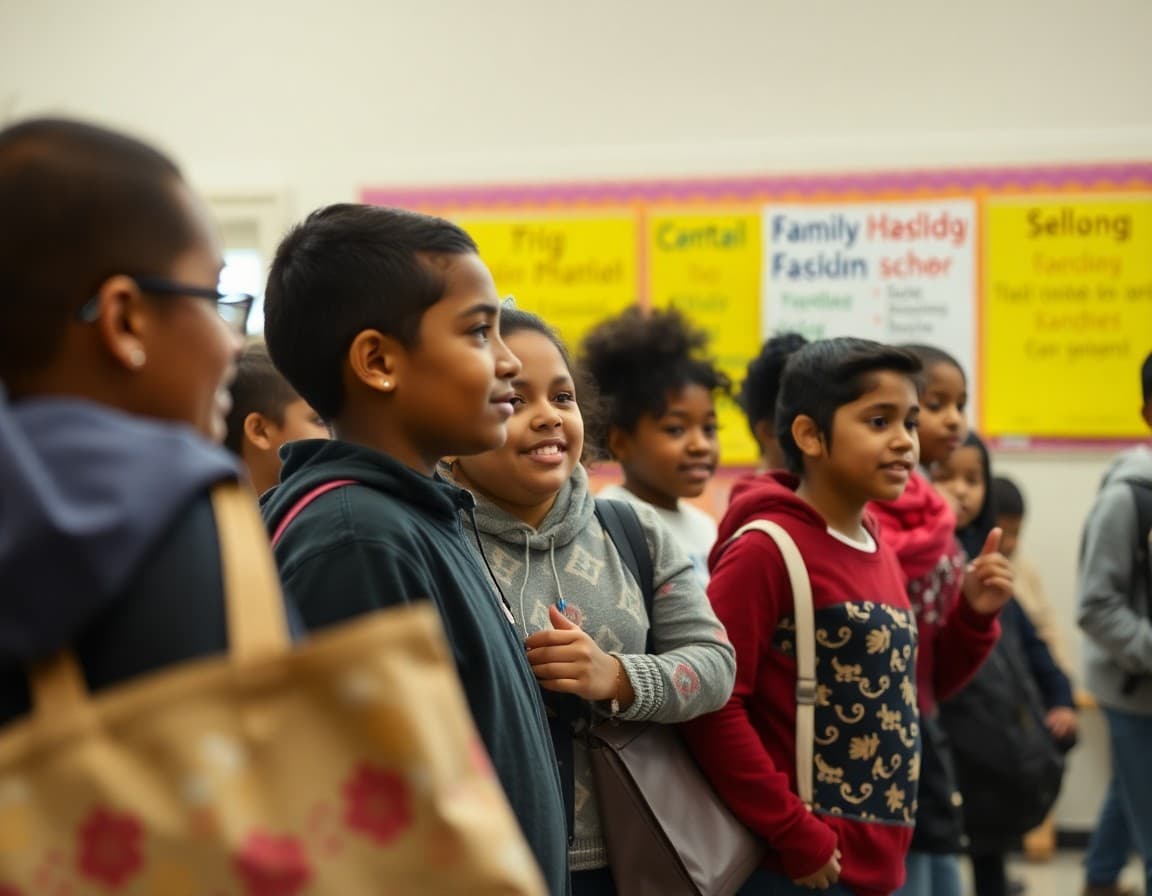
Maryland has more than 75,000 English Language Learners in its public schools, representing over 100 languages across a state that spans wealthy DC suburbs, mid-sized cities, agricultural communities, and everything in between. For ELL teachers in this environment, a newsletter is not optional. It is one of the few tools that can bridge the communication gap for families who are simultaneously learning a language, navigating a new country, and trying to support their child's education.
Maryland's ELL Population: Scale and Diversity
Prince George's County alone enrolls more than 20,000 ELL students, making its ELL program one of the largest in the mid-Atlantic region. Montgomery County's ELL families include recent immigrants from Latin America and Africa alongside long-established multilingual communities from Asia and the Middle East. Baltimore City has seen increased enrollment of Central American and recent refugee students. Frederick and Howard counties are growing faster than any other Maryland counties, with ELL enrollment tracking that growth.
This diversity means there is no single "Maryland ELL newsletter." What works in Prince George's County for Spanish-speaking families may need significant adjustment for Amharic-speaking families in the same building. Understanding your specific classroom population is the starting point.
Meeting Maryland's Title III Requirements
Maryland's State Department of Education publishes language access guidance that sets expectations above the federal ESSA baseline. Maryland districts must identify families' language needs through home language surveys, provide interpretation for school meetings, and translate written communications for families who request it. Newsletters with translated content directly address the written communication obligation.
Keep records of your translation efforts. If a family requests translated materials and you provide them consistently through the newsletter, that is documented evidence of outreach. Districts that face complaints about inadequate ELL family communication are far better positioned when they can show a history of translated newsletters.
Designing a Bilingual Newsletter That Works
The most practical format for Maryland ELL newsletters is English primary content with a translated summary section for the three to five most important items in the issue. Full translation is ideal when resources support it. When they do not, prioritize: upcoming deadlines and permission slips, assessment dates and test preparation tips, policy changes that affect services, and information about student progress or needs.
Use a consistent layout so families who do not read English can visually navigate to the translated section. A header that says "En Español" or "በአማርኛ" creates an immediate signal of inclusion. Families who see their language in the document are more likely to read the entire newsletter even when they have some English ability.
A Template Excerpt for Maryland ELL Newsletters
Here is a bilingual section that works for elementary and middle school:
"Language Development Update: This month students worked on describing and explaining during science activities. We practiced using academic vocabulary in both English and students' home languages. Students showed strong growth in using sentence frames to express scientific observations. // Actualización de desarrollo del lenguaje: Este mes los estudiantes trabajaron en describir y explicar durante actividades de ciencias. Practicamos vocabulario académico en inglés y en el idioma del hogar."
That format is parallel, specific, and signals that the home language is respected in the learning process.
Connecting Families to Maryland's ELL Support Resources
Maryland has resources that ELL families often do not know exist. The ESOL Parent University in Montgomery County offers free family workshops in multiple languages. Prince George's County has a multilingual family resource center. Baltimore City has the Welcome School program for newcomer families. The Maryland Immigrant Rights Coalition provides legal and social support.
Include one resource spotlight in each newsletter. Families who connect with these supports become stronger advocates for their children and more consistent partners in the school community.
Building Trust With Maryland's Refugee Families
Maryland has significant refugee populations from Ethiopia, Eritrea, Somalia, the Democratic Republic of Congo, El Salvador, Guatemala, and elsewhere. Many of these families have experienced trauma and may have complex relationships with government institutions. Schools that communicate consistently and respectfully, that show up in the language the family knows, and that include community cultural context build trust over time.
Never include only bureaucratic or compliance-focused content in newsletters for refugee families. Balance procedural information with celebration of student achievements, recognition of cultural events, and invitations for family participation that feel welcoming rather than obligatory.
Addressing the Digital Divide in Maryland's ELL Communities
Internet access varies significantly across Maryland's ELL communities. Families in Prince George's County public housing or Baltimore City apartments may have limited or shared broadband. Rural ELL families in Frederick or Washington counties may have no reliable home internet. Families with smartphones but limited data plans benefit from newsletters that load quickly and do not require app downloads or account creation to read.
Some Maryland ELL programs supplement email newsletters with printed copies sent home in student backpacks for families who are not consistently reachable digitally. Both channels together achieve the highest reach.
Making Newsletters a Tool for Family Empowerment
The best ELL newsletters do more than inform. They equip families to support their child's English development at home, understand their rights in the school system, and engage with school events and processes. A family who reads monthly about what their child is learning in ESOL services and how to reinforce those skills at home becomes a co-teacher. A family who understands Maryland's ELL exit criteria can ask meaningful questions at conferences.
That level of engagement does not happen after one newsletter. It builds over a school year of consistent, respectful, translated communication that treats the family as a partner rather than a recipient.
Get one newsletter idea every week.
Free. For teachers. No spam.
Frequently asked questions
What languages are most important for Maryland ELL newsletters?
Maryland's ELL population is large and highly diverse. Spanish is the most common home language, particularly in Prince George's County and Montgomery County. Amharic is the second most common, reflecting Maryland's large Ethiopian community in the DC suburbs. French, Chinese (Mandarin and Cantonese), Arabic, Urdu, Portuguese, Hindi, Korean, and Tigrinya are also spoken by significant numbers of Maryland students. Check your district's home language data to prioritize correctly.
What are Maryland's legal requirements for ELL family communication?
Maryland follows Title III of ESSA, which requires meaningful access to information for families with limited English proficiency. The Maryland State Department of Education has specific guidance on language access that goes beyond the federal minimums. Maryland districts are expected to identify families' language needs, provide translation and interpretation services, and document their efforts. Newsletters that include translated content contribute directly to meeting these obligations.
How does the ELL population differ across Maryland counties?
Prince George's County has the largest ELL enrollment in the state, with more than 20,000 English learners representing over 100 languages. Montgomery County has a large, highly educated ELL population including many families from Latin America, Asia, and Africa. Baltimore City has a smaller ELL population by percentage but significant recent refugee arrivals. Frederick and Howard counties have growing ELL populations. Each context requires some adaptation of newsletter approach.
How can Maryland ELL teachers get newsletters translated without a dedicated budget?
Many Maryland districts have language access departments or translation contracts. In Prince George's County and Montgomery County, significant resources exist for translation support. For teachers in smaller districts, Google Translate produces reasonable first drafts in major languages that a bilingual parent or staff member can review. Keep newsletter language simple, use short sentences, and avoid idioms so machine translations are more accurate.
What is the best way to deliver ELL newsletters in Maryland?
Mobile delivery is essential in Maryland, where many ELL families access communications on smartphones. A platform like Daystage creates newsletters that render well on mobile and allows scheduling to reach families at optimal times. For families without reliable email access, some Maryland ELL programs have moved to WhatsApp groups for newsletter delivery, which gets higher open rates in communities where messaging apps are more familiar than email.

Adi Ackerman
Author
Adi Ackerman is a former classroom teacher and curriculum writer with 8 years in K-8 schools. She writes about school communication, parent engagement, and what actually works in real classrooms.
Ready to send your first newsletter?
3 newsletters free. No credit card. First one ready in under 5 minutes.
Get started free