

Georgia ELL School Newsletter: Reaching Multilingual Families
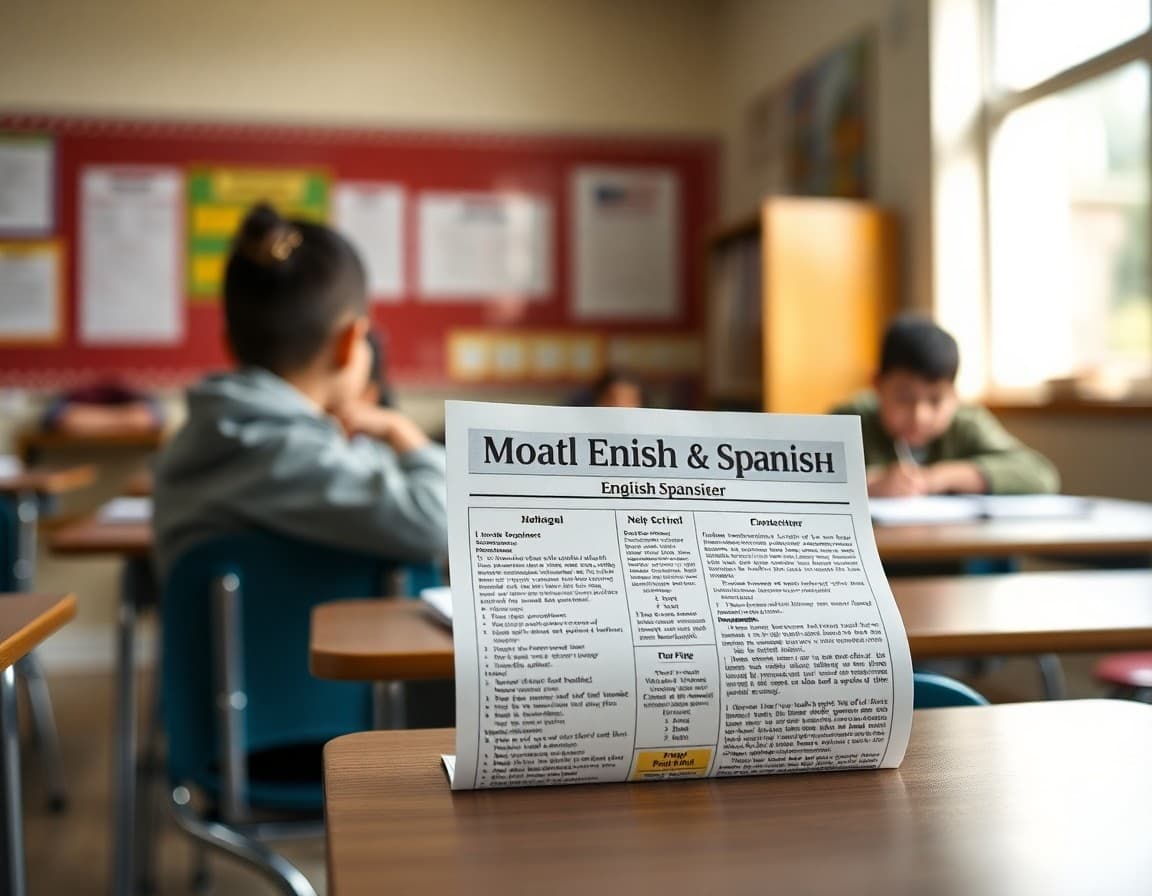
Georgia has over 130,000 English Language Learner students statewide, with concentrations in Gwinnett County (one of the largest ELL populations in the Southeast), Hall County (known as a resettlement hub), and metro Atlanta's Clarkston and Doraville communities. For ESOL teachers in these districts, newsletters that genuinely reach multilingual families require more than dropping a Google Translate link at the bottom of an English document. This guide covers what Georgia ELL newsletters need to contain, which languages to prioritize, and how to structure content for families with varying levels of education and English literacy.
Georgia's Diverse ELL Population and Language Priorities
Georgia's ELL population is linguistically diverse in ways that few other Southern states match. Spanish is the primary language for the largest group, but Gwinnett County schools serve families speaking Korean, Vietnamese, Chinese, Hindi, Urdu, Somali, and dozens of other languages. Clarkston, often called "the most diverse square mile in America," has large Burmese, Ethiopian, and Congolese communities. Knowing the specific languages represented in your school's ELL population helps you prioritize which translations to invest in. A school demographic report or your district's language access coordinator can give you that breakdown.
Georgia's ESOL Framework and Communication Obligations
Georgia's ESOL program is governed by state guidelines that follow Title III federal requirements. Schools must communicate with ELL families in a language they can understand, particularly for documents related to student identification, placement, program participation, and exit from ESOL services. Newsletters are not individually mandated, but they are one of the most practical ways to maintain the "meaningful communication" standard that Georgia's Title III compliance monitoring looks for. A school that sends regular bilingual newsletters has a clear record of family engagement, which matters during state reviews.
ACCESS for ELLs: Preparing Georgia Families for the Annual Test
Georgia administers the ACCESS for ELLs assessment from January through March each year. Many ELL families receive no communication about this test until the week it begins, which creates confusion and sometimes unintentional absences on test days. Your December newsletter should include a one-page explainer: what ACCESS measures, how long it takes, why it matters for ESOL service decisions, and what families can do to prepare their child. Write this in English with a Spanish parallel section at minimum. Include the testing schedule clearly: "Your child will take ACCESS for ELLs in late January. Please avoid scheduling appointments during this window."
Content Structure for Georgia ELL Newsletters
A content structure that works across grade levels:
- ESOL program update: what students are learning in English language development this month
- Academic connection: how ESOL skills connect to grade-level content area work
- Home language tip: one specific activity families can do in any language
- Upcoming dates: ACCESS window, parent nights, school events
- Georgia resource spotlight: a local or state resource for multilingual families
Template Excerpt: November Georgia ESOL Newsletter
A sample section:
"This month in ESOL, students are working on academic vocabulary for social studies -- words like 'government,' 'community,' and 'rights.' These are words your child will see on tests and in class discussions. You can help at home by talking about how decisions are made in your family or community, in any language. That kind of conversation builds the concepts behind the English words we are practicing. ACCESS for ELLs testing begins in late January. I will send a full information sheet home in December."
Georgia Community Resources Worth Including in ELL Newsletters
Georgia has several resources that multilingual families genuinely benefit from knowing about. The International Rescue Committee (IRC) has offices in Atlanta and Charlottesville and offers adult ESL classes, job placement, and family support services. Catholic Charities of Atlanta provides legal services for immigrant families. The Georgia Latino Alliance for Human Rights (GLAHR) offers community education workshops. Including a resource spotlight in each newsletter issue turns your communication into something families save rather than recycle.
Building a Consistent Georgia ELL Newsletter Cadence
ESOL teachers often have smaller class sizes but heavier documentation loads than general education teachers. Finding time to send a monthly newsletter can feel like one more task in an already full week. The solution is a reusable template with fixed sections that you fill in each month. If your template covers ESOL update, home tip, dates, and resource in a two-page format, each issue takes about 30 minutes to produce once the template is in place. Tools like Daystage make that template approach practical by saving your layout between issues.
Get one newsletter idea every week.
Free. For teachers. No spam.
Frequently asked questions
What are Georgia's language access requirements for ELL school newsletters?
Under Title VI of the Civil Rights Act and the Equal Educational Opportunities Act, Georgia schools must communicate meaningfully with families who have limited English proficiency. The Georgia Department of Education's Title III guidelines reinforce this expectation. While there is no Georgia law specifically mandating newsletter translation, the state's language access plan requires that key communications -- including those about student progress, program placement, and parental rights -- be available in families' home languages.
What languages are most needed for Georgia ELL newsletters?
Spanish is the most widely needed language for Georgia ELL newsletters, especially in Gwinnett, Hall, Cherokee, Forsyth, and Cobb counties, which have large Hispanic and Latino populations. Korean, Chinese (Mandarin and Cantonese), and Vietnamese are significant in metro Atlanta districts. Burmese and other Southeast Asian languages are growing in areas like Clarkston, which is one of the most ethnically diverse communities per capita in the country.
How should Georgia ELL teachers communicate about ACCESS for ELLs testing?
Georgia administers the ACCESS for ELLs assessment through WIDA. Families need to understand what the test measures (English language proficiency across listening, speaking, reading, and writing), when it is administered (typically January through March), and what the results mean for their child's ESOL services. A newsletter section in December preparing families for the ACCESS window -- written in plain language without WIDA jargon -- reduces family anxiety and improves student participation.
How can a Georgia ESOL newsletter help families support language development at home?
Each newsletter issue should include one specific home language strategy -- not just a generic 'read with your child' suggestion. For example: 'This month we are practicing retelling stories in order. Ask your child to explain what happened in a book or movie from beginning to end, in any language.' That specificity gives families a concrete entry point regardless of their own English proficiency level.
Does Daystage support Georgia ELL teachers who need bilingual newsletters?
Yes. Daystage lets ESOL teachers build bilingual newsletter layouts in a single document, so you are not maintaining two separate files or cutting and pasting between tools. For Georgia teachers managing diverse language groups across Gwinnett or Hall County schools, having a streamlined bilingual publishing workflow saves significant time each month.

Adi Ackerman
Author
Adi Ackerman is a former classroom teacher and curriculum writer with 8 years in K-8 schools. She writes about school communication, parent engagement, and what actually works in real classrooms.
More for ELL & ESL
Ready to send your first newsletter?
3 newsletters free. No credit card. First one ready in under 5 minutes.
Get started free