
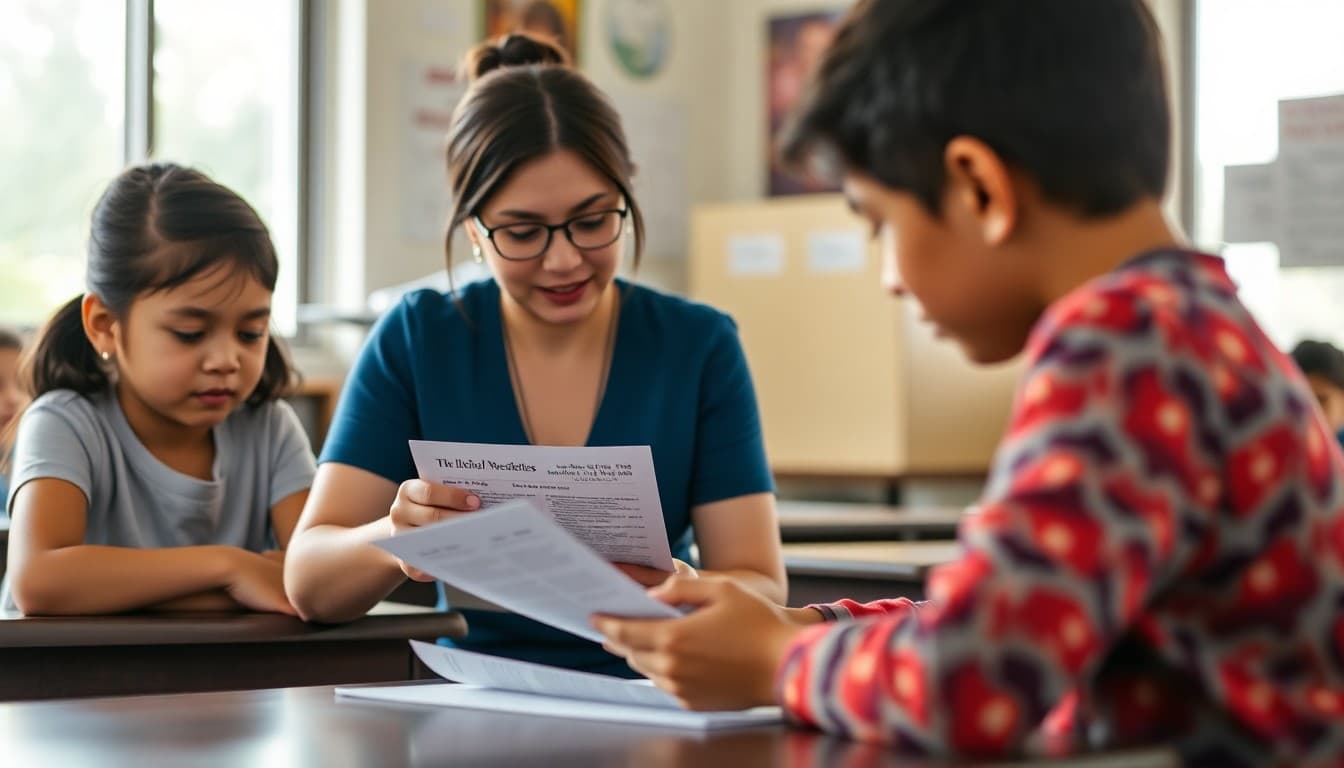
Florida ELL School Newsletter: Reaching Multilingual Families
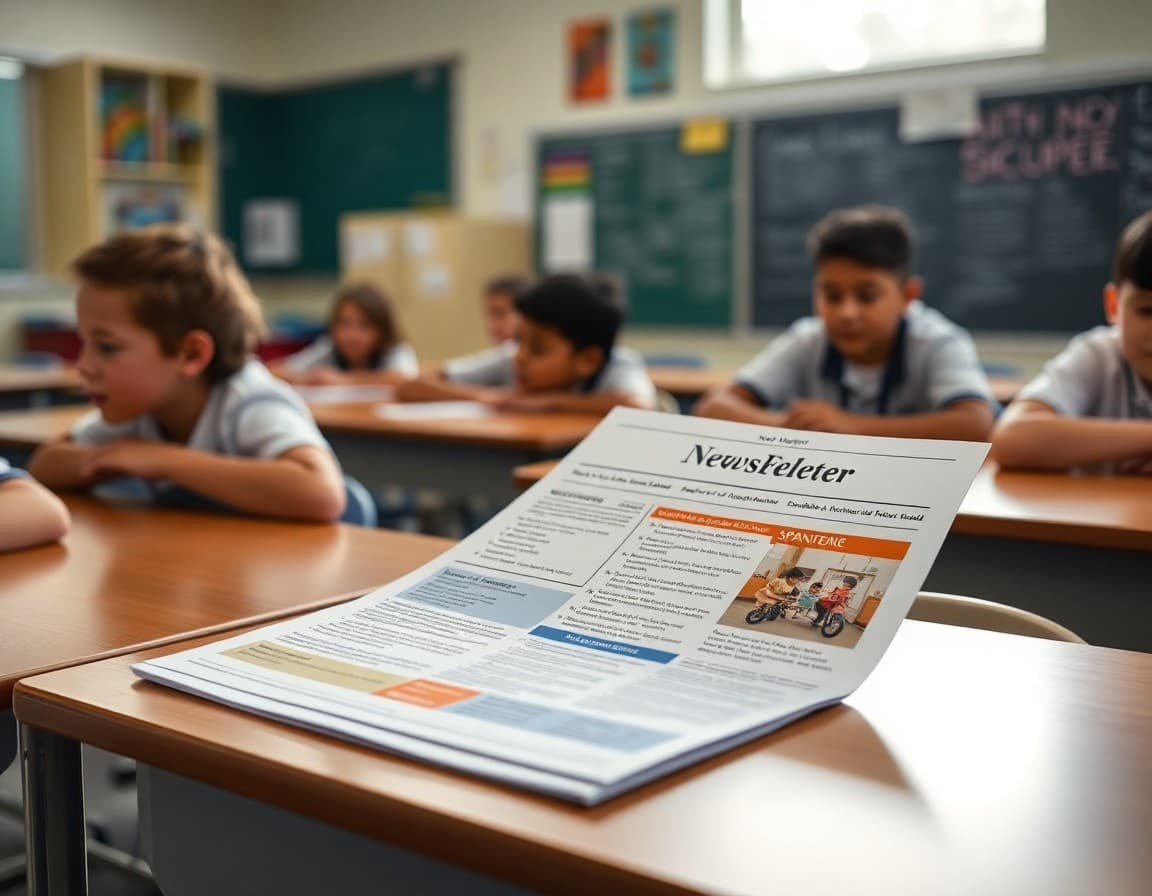
Florida has one of the largest English Language Learner populations in the country, with over 280,000 ELL students enrolled statewide. For ESOL teachers in Miami-Dade, Orlando, Jacksonville, and Tampa, sending newsletters that genuinely reach multilingual families is not a nice-to-have. It is part of doing the job well. This guide covers what to put in a Florida ELL newsletter, how to handle translation, and what makes families actually read what you send.
Florida's Language Access Obligations
Florida school districts are required under Title VI and the Equal Educational Opportunities Act to provide meaningful communication to families with limited English proficiency. The Florida Department of Education's ESOL compliance guidelines reinforce this at the state level. In practical terms, this means newsletters that go to ELL families should be available in the family's home language, especially when they contain information about student progress, ESOL program placement, or required parental consent. Districts like Miami-Dade have formal language access plans that specify which documents need translation and how quickly.
Building Your Florida ELL Newsletter Structure
A clear, predictable structure makes newsletters easier to translate and easier for families to navigate. A structure that works across grade levels:
- Program news: what students are working on in ESOL this month
- Student highlight: one student accomplishment (with permission)
- Language tip for home: one specific activity families can do in the home language
- Upcoming dates: ESOL parent nights, testing windows, enrollment deadlines
- Resource of the month: a bilingual app, library program, or community service
What to Cover in Each Issue
Every Florida ELL newsletter should answer the three questions ELL families care most about: Is my child progressing? What do they need from me at home? What is happening at school this month? Progress updates do not need to be detailed CELLA score breakdowns. A sentence like "Maria has moved from the Developing to the Expanding level this semester, which means she is now participating in grade-level class discussions with support" tells families what they need to know in plain language.
Translation: What to Translate and How
Translating every word of every newsletter is not realistic for a single teacher. Prioritize these elements for translation: the subject line, any action items that require parent response, test dates, and the student highlight. If you have access to a district translation service, submit your newsletter draft two weeks before your send date. If you are translating yourself or using a bilingual colleague, focus on accuracy over elegance. A clear, accurate sentence in Spanish is more useful than a polished translation that loses the specifics.
Template Excerpt: Monthly ESOL Program Update
Here is a sample section in English with a parallel Spanish version:
"This month, your child is working on academic vocabulary in science and social studies. We are practicing how to read charts and explain data in English. You can help at home by asking your child to describe what they see in pictures from books or magazines -- in any language."
"Este mes, su hijo/a trabaja en vocabulario academico de ciencias y estudios sociales. Practicamos como leer graficos y explicar datos en ingles. Puede ayudar en casa pidiendole que describa lo que ve en imagenes de libros o revistas, en cualquier idioma."
Haitian Creole Communication in South Florida
South Florida's Haitian Creole-speaking community is one of the largest in the United States, concentrated in Miami-Dade, Broward, and Palm Beach counties. If your school has Haitian Creole-speaking families, a newsletter that includes only Spanish and English excludes a significant group. Miami-Dade County Public Schools has Haitian Creole translation resources available to teachers. The key sections to prioritize for Haitian Creole translation are the same as for Spanish: dates, required parent actions, and progress updates.
Connecting Families to Florida ESOL Resources
Florida has several statewide and county-level resources worth including in your ELL newsletters. The Florida Immigrant Coalition offers family workshops. Many public library systems in Miami-Dade, Broward, and Orange counties have ESL programs for adults that run concurrently with the school year. Florida's PAEC (Panhandle Area Educational Consortium) provides bilingual parent resources for rural districts. Pointing families toward these resources in your newsletter turns it into a practical tool, not just a one-way update.
Sending Consistently Throughout the School Year
ELL newsletters that start in September and disappear by November do more harm than good. Families stop trusting the school's communication when updates arrive inconsistently. A monthly schedule works for most ESOL programs, with an additional send before CELLA testing windows in winter and spring. Tools like Daystage make it faster to set up a recurring newsletter template so you are not rebuilding the format each month. The goal is to spend your time on content, not on layout.
Get one newsletter idea every week.
Free. For teachers. No spam.
Frequently asked questions
Is Florida required to translate school newsletters for ELL families?
Under Title VI of the Civil Rights Act and Florida's ESOL compliance framework, schools must communicate meaningfully with families who have limited English proficiency. While there is no state law that specifically mandates newsletter translation, the U.S. Department of Education's guidance on language access requires that translated materials be available upon request and that key communications be proactively shared in families' home languages. Florida's large Spanish-speaking and Haitian Creole-speaking populations make proactive translation especially important.
What languages are most needed for Florida ELL school newsletters?
Spanish is the most widely needed language for Florida ELL newsletters, particularly in Miami-Dade, Broward, Palm Beach, Hillsborough, and Orange counties. Haitian Creole is critical in South Florida, especially in Miami-Dade, Broward, and Palm Beach. Portuguese-speaking families have grown significantly in Central Florida. Some districts in the Tampa Bay area also serve Vietnamese and Guatemalan Mayan language speakers, so knowing your school's specific language demographics matters.
How should an ELL newsletter communicate about a student's ESOL level?
Avoid academic jargon like WIDA levels or CELLA scores without explanation. Instead, describe what the level means in practical terms: 'Your child is in our Entering level ESOL class, which focuses on building foundational English vocabulary and listening skills.' Include what parents can do at home to support language development, such as reading bilingual books or using apps in the home language to reinforce school concepts.
How can Florida ELL teachers build trust through newsletters?
Trust comes from specificity and respect. Use families' correct cultural terms rather than generic labels. Celebrate student accomplishments from the ELL program in every issue, not just at end-of-year. Include one practical action item families can take each month, like attending an ESOL family workshop or reviewing a bilingual vocabulary list. When families see that you know their child and value their language, response rates to school events improve noticeably.
Does Daystage support multilingual newsletter creation for ELL teachers?
Yes. Daystage lets ELL teachers create bilingual newsletters in a single workflow, so you are not copying content between two separate documents. You can draft in English, add a Spanish or Haitian Creole section, and send to your family list in one step. That is especially useful for Florida ESOL teachers who are managing 20 to 30 students from multiple language backgrounds.

Adi Ackerman
Author
Adi Ackerman is a former classroom teacher and curriculum writer with 8 years in K-8 schools. She writes about school communication, parent engagement, and what actually works in real classrooms.
Ready to send your first newsletter?
3 newsletters free. No credit card. First one ready in under 5 minutes.
Get started free