
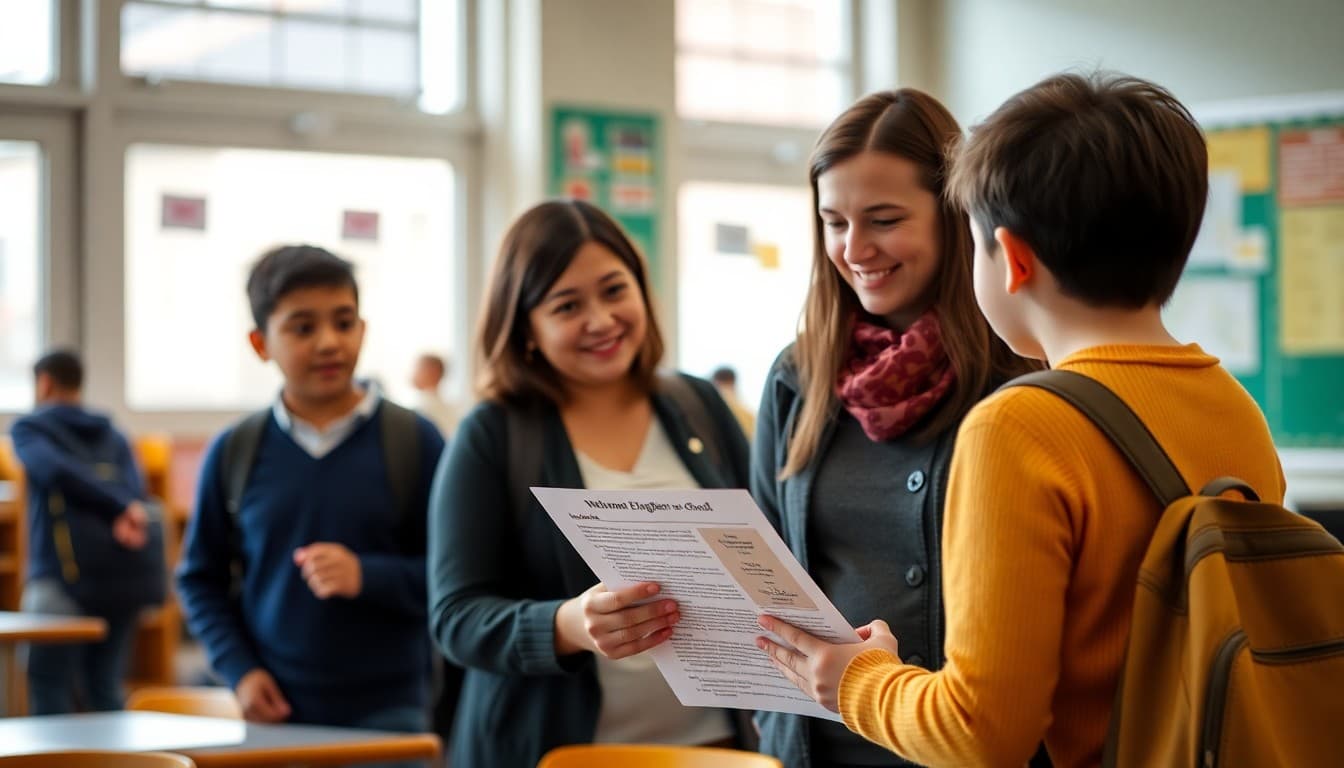
ELL Parent Welcome Newsletter: Your Guide to Our School
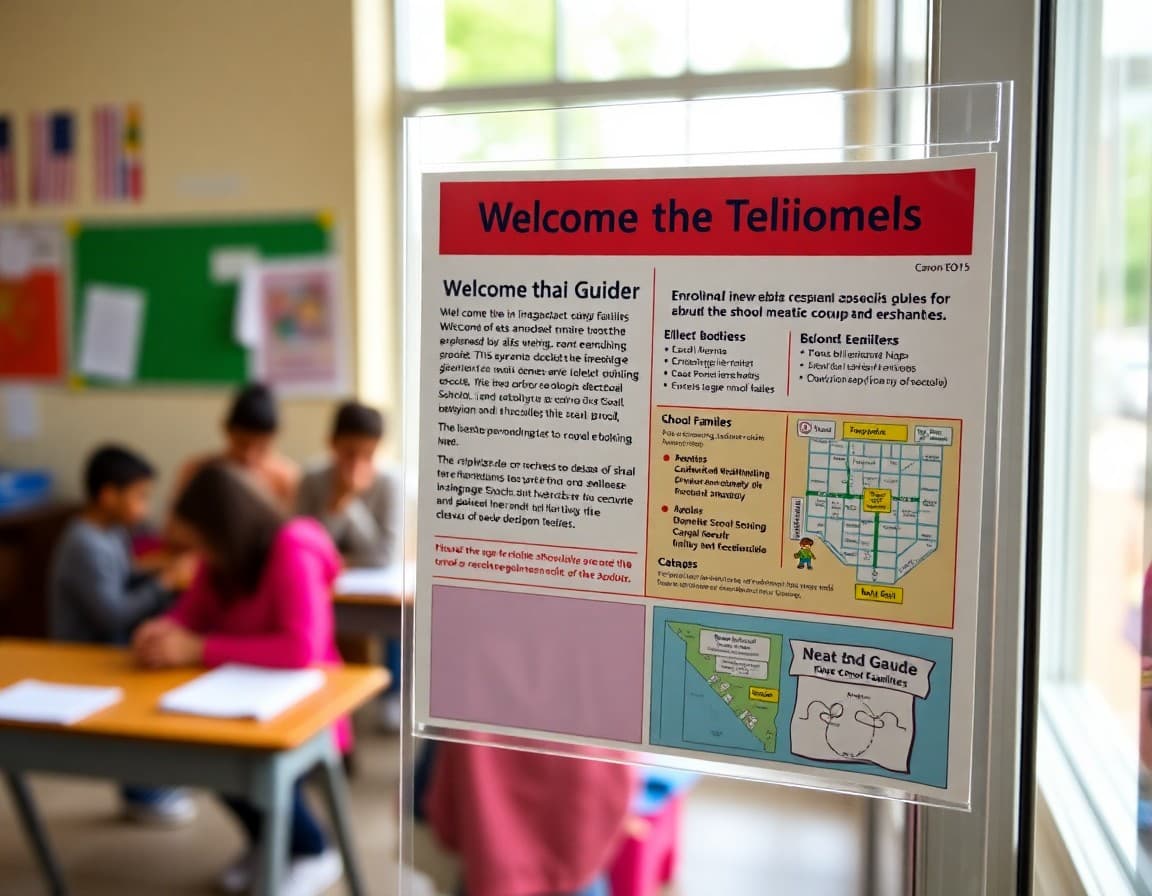
Families who are new to the US educational system need a different kind of welcome newsletter than families who have been navigating American schools for years. The systems, expectations, and vocabulary of American schools are not universally known. A welcome newsletter that explains the basics plainly, in the family's language when possible, removes barriers that might otherwise keep families disengaged for months.
The Purpose of an ELL Welcome Newsletter
This newsletter is not primarily about the curriculum. It is about navigation. How does school work here? Who do I call if something happens? What is my child's schedule? What does it mean that my child was tested for English? What is an ELL program and do I have to participate?
A family who can answer these questions after reading your newsletter is a family who can participate. A family who cannot answer them is a family who will disengage, not because they do not care, but because the system is opaque to them.
Key Information to Include
Contact information: the ELL coordinator's name, email, phone, and hours. If the family needs a translator for a phone call, note how to request one. If the school has a bilingual family liaison, include their information.
Program placement explanation: what the ELL program is, what it means for the student's daily schedule, and how long the program typically lasts. Be honest about ranges: most students exit ELL services in three to seven years, though this varies widely by entry level and individual progress.
Testing information: the student was or will be screened for English proficiency. Explain what assessment was used, what it measures, and when results will be shared. Reassure families that there are no wrong answers on a proficiency screener; it simply identifies where the student is right now.
Rights summary: families have the right to be communicated with in a language they understand, to receive translated documents, to participate in placement decisions, and to opt out of ELL services with a documented waiver.
Template: ELL Welcome Newsletter Opening
"Welcome to [School Name]. We are glad your family is here.
Your child has been identified as an English Language Learner (ELL) based on their home language survey and language proficiency screening results. This means your child will receive additional support for learning English while also continuing to learn in all other subject areas.
Our ELL program is designed to help your child develop English language skills while continuing to make academic progress. Students in our program receive [brief description: push-in support during class, pull-out instruction for X hours per week, etc.]. Your child's ELL services are provided at no additional cost to your family.
Your family's rights: you have the right to receive school communications in a language you understand. If you need an interpreter for a meeting or a phone call, please contact [name] at [phone/email] and we will arrange one at no cost. You also have the right to accept or decline ELL services. If you have questions about this decision, please contact us before making it.
Your first contact for any ELL-related question is [ELL coordinator name] at [contact information]."
Explaining American School Culture
Families from other countries may not know what a school counselor is, what a parent-teacher conference involves, what an IEP or 504 plan is, or what their rights are regarding special education if their child has a disability in addition to an ELL designation. A brief section that names these elements and explains them prevents confusion and shows families that your school expects them to participate in ways they may not yet know how to.
Building Trust Through Consistency
The welcome newsletter is the first of many. Tell families what to expect in subsequent communication: how often you send newsletters, what they typically cover, and the best way to respond with questions. ELL families who receive consistent, multilingual communication develop the school-family relationship that correlates with student success. The welcome newsletter is the beginning of that relationship, not a one-time administrative act.
Get one newsletter idea every week.
Free. For teachers. No spam.
Frequently asked questions
What should a welcome newsletter for ELL families cover?
Cover four things: who to contact and how, what the ELL or ESL program is and how it works, what rights the family has under Title III and state law, and practical navigation information about the school. Families new to the US educational system may not know how to request a translator, how to enroll in a program, or what a parent-teacher conference is. A welcome newsletter that explains these fundamentals in accessible language is one of the most impactful documents a school can provide.
What language should an ELL welcome newsletter be written in?
Ideally in the family's home language alongside English. If your school serves multiple language communities, prioritize translation into the languages most represented in your current population. For a newsletter reaching families who primarily speak Spanish, Somali, Arabic, or another specific language, a translated version is both a legal expectation under Title III and a practical necessity for actual communication. English-only newsletters reach English-proficient family members but miss parents who depend on translation.
What are ELL families' rights under Title III of ESSA?
Title III of the Every Student Succeeds Act requires schools to provide language assistance to students with limited English proficiency and to communicate with their families in a language they can understand. Schools must notify ELL families of their child's program placement, the reasons for that placement, what it means for their child, and how families can participate in the program. Families also have the right to waive ELL services if they choose, though this waiver must be informed.
How do I explain the ELL identification process to new families?
Explain that all newly enrolled students whose home language survey indicates a language other than English at home are screened for English language proficiency. The screening tool (often WIDA Screener) determines whether the student qualifies for ELL services. Share what the typical next steps are: placement in an ELL program, initial services, and how the family will be notified of results. Families who understand the process are less anxious about testing and more likely to support their child through it.
How does Daystage help schools communicate with ELL families?
Daystage newsletters support bilingual formatting and can include translated sections alongside English text. Schools can send welcome newsletters that reach all families via email, with clear bilingual structure. For ELL coordinators managing communication across many families with varied language backgrounds, Daystage's ability to send to all families at once with a well-organized bilingual format reduces the administrative burden of reaching every family effectively.

Adi Ackerman
Author
Adi Ackerman is a former classroom teacher and curriculum writer with 8 years in K-8 schools. She writes about school communication, parent engagement, and what actually works in real classrooms.
Ready to send your first newsletter?
3 newsletters free. No credit card. First one ready in under 5 minutes.
Get started free