

Alabama ELL Program Newsletter: A Practical Guide for ESL Teachers
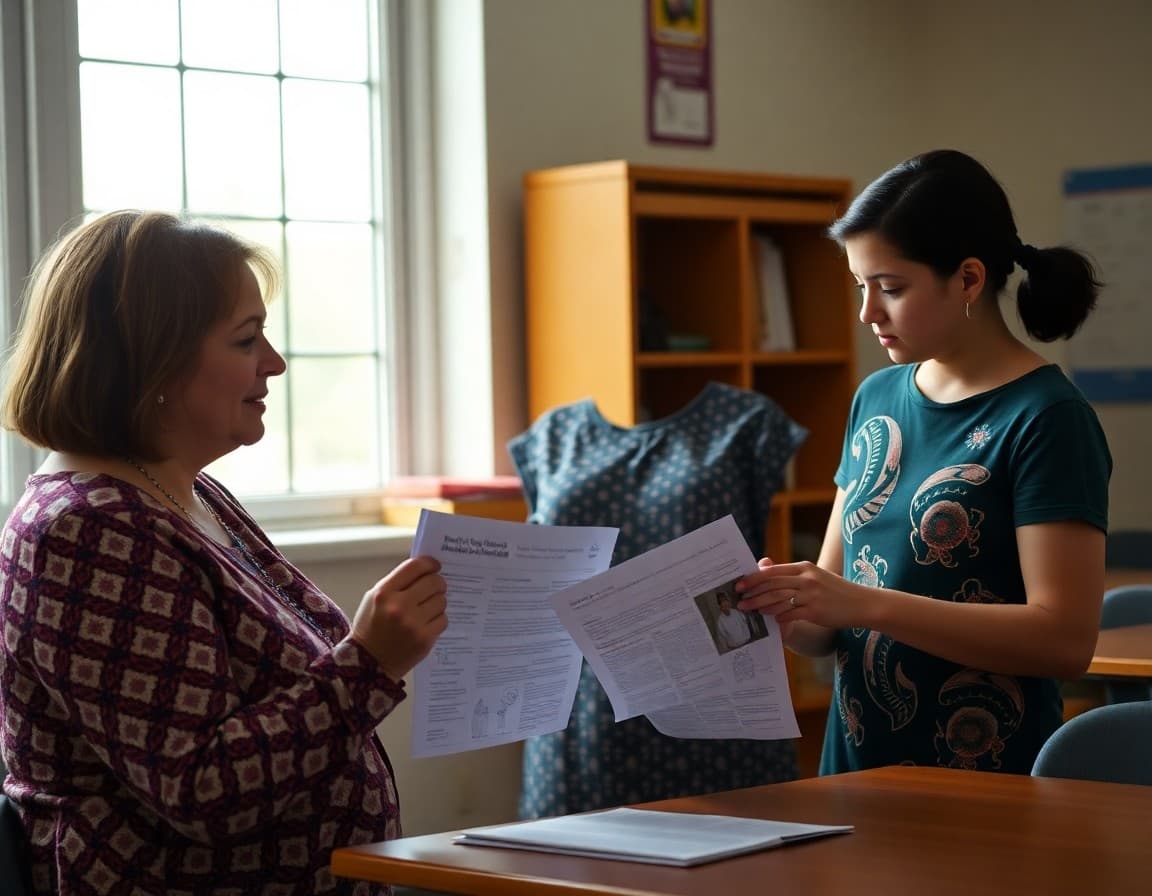
Alabama's ELL programs operate in districts where the gap between a family's home language and the school's communication is wide. A newsletter that closes that gap, explains the ELL program in plain language, and connects families to upcoming events in their language does more for student outcomes than most curriculum interventions. Here is how to build one that actually works.
Know Alabama's Communication Requirements First
Title III and the Every Student Succeeds Act require Alabama schools to communicate meaningfully with families who have limited English proficiency. That means translating essential documents -- program placement notices, assessment result letters, disciplinary communications, and conference invitations -- into a language families understand. The Alabama State Department of Education reviews Title III grantee compliance and expects to see evidence that districts have language access plans. Your ELL program newsletter is a voluntary but highly visible part of that access work.
Start With Your Home Language Survey Data
Before writing your first newsletter of the year, pull the current home language survey data for your school. In many Alabama communities, especially those near poultry-processing plants, Spanish-speaking families make up the vast majority of ELL enrollment. But in Birmingham, Huntsville, and Mobile, there are meaningful populations of Vietnamese, Arabic, and Chinese-speaking families who need separate language support. Writing a newsletter only in Spanish and English when 20 percent of your families speak Vietnamese is a compliance risk and a missed opportunity.
Explain WIDA ACCESS in Plain Language
Alabama measures English language proficiency using the WIDA ACCESS assessment. Most families receive a score report they cannot interpret without help. Your newsletter around testing windows should explain what ACCESS measures (Listening, Speaking, Reading, and Writing), what the 1-6 proficiency scale means in practical terms, and what score range qualifies a student for ELL services versus exit. A plain explanation -- "A score of 5 or 6 across all four areas typically means your student is ready to succeed in mainstream classes without additional language support" -- gives families a milestone they can track and understand.
A Monthly ELL Program Newsletter Template
This structure covers the basics for a one-page monthly ELL program newsletter:
ELL Program Update -- [Month] [Year]
Current focus area: [Listening, Speaking, Reading, or Writing skill]
What your student is working on: [One sentence in plain language]
How to support at home: [One activity families can do in their home language]
Coming up:
- [Date]: WIDA testing window begins
- [Date]: Parent-teacher conferences (interpreter available, call to request)
Questions? Contact: [ELL coordinator name], [phone], [email]
Address the Reality of Alabama's Agricultural Communities
Schools in Albertville, Oneonta, Guntersville, and Cullman serve families who work irregular shifts in poultry and agricultural processing. These families often have limited transportation, may have limited formal schooling themselves, and work hours that make daytime school events nearly impossible to attend. Your newsletter should reflect that reality: mention evening conference options, point families toward adult ESL classes at community colleges, and design home-practice activities that do not require internet access or special materials.
Point Families Toward Alabama's Community Resources
Many ELL families in Alabama are unaware of the support networks available to them. The Hispanic Interest Coalition of Alabama runs programs in Birmingham. Catholic Social Services provides translation support in several cities. Gadsden State Community College and Calhoun Community College offer adult ESL courses. SNAP, WIC, and community health center enrollment assistance is available in most counties. A monthly mention of one or two local resources builds trust and positions your program as a connector, not just an academic service.
Write for Families, Not for Administrators
The biggest problem with most ELL program newsletters is that they are written for the school audience, not for families. Acronyms like AMAO, ELP, and LTEL mean nothing to a Spanish-speaking parent who just moved to Alabama from Oaxaca. Write every sentence assuming the reader knows nothing about American school systems. Spell out what WIDA means. Explain what "pull-out services" look like during a school day. Define "reclassification" before using the word. Plain language is not dumbing down. It is respect.
Use Daystage to Deliver the Newsletter to the Right Families
Printing and mailing a translated newsletter is expensive and slow. Daystage lets Alabama ELL coordinators send formatted newsletters directly to specific family groups. You can create a Spanish version and a separate English version and send each to the right group -- no extra layout work, no printing costs, and instant delivery. Families who receive a newsletter in their home language are significantly more likely to open it, read it, and act on what it says. That outcome is worth the extra step of preparing two language versions.
Get one newsletter idea every week.
Free. For teachers. No spam.
Frequently asked questions
What does Alabama require for ELL family communication?
Under Title III and ESSA, Alabama schools must provide meaningful access to information for families with limited English proficiency. Essential notices, including program placement letters, assessment result notices, and conference invitations, must be translated into the family's home language. Districts that receive Title III funding are monitored for compliance by the Alabama State Department of Education.
What languages do Alabama ELL families most commonly speak?
Spanish is the dominant home language across Alabama, especially in the poultry-processing corridor from Albertville through Oneonta. Urban districts in Birmingham, Huntsville, and Mobile also serve Vietnamese, Arabic, and Chinese-speaking families. Reviewing your school's current home language survey data before the first newsletter of the year is the simplest way to know which languages your program needs to prioritize.
How often should an Alabama ELL program newsletter go out?
Monthly is a realistic target for most ELL coordinators. A monthly cadence keeps families informed of assessment windows, program changes, and community resources without creating an unsustainable production burden. Programs with active parent advisory groups sometimes add a brief mid-month update when an important event or policy change warrants it.
How do Alabama ELL teachers access translation support?
The Alabama State Department of Education connects districts with translation vendors. Many districts also have bilingual paraprofessionals or community liaisons who can review translated materials for accuracy before distribution. Community organizations like HICA in Birmingham and Catholic Social Services in multiple cities offer translation assistance for Spanish-speaking families as well.
Can Daystage help Alabama ELL programs send multilingual newsletters?
Yes. Daystage lets ESL and ELL coordinators create formatted newsletters and send them to specific family groups based on home language. Teachers handle the content and translation while Daystage handles formatting and delivery, so the program spends more time on language support and less on layout.

Adi Ackerman
Author
Adi Ackerman is a former classroom teacher and curriculum writer with 8 years in K-8 schools. She writes about school communication, parent engagement, and what actually works in real classrooms.
More for ELL & ESL
Ready to send your first newsletter?
3 newsletters free. No credit card. First one ready in under 5 minutes.
Get started free