
West Virginia Elementary School Parent Communication Guide
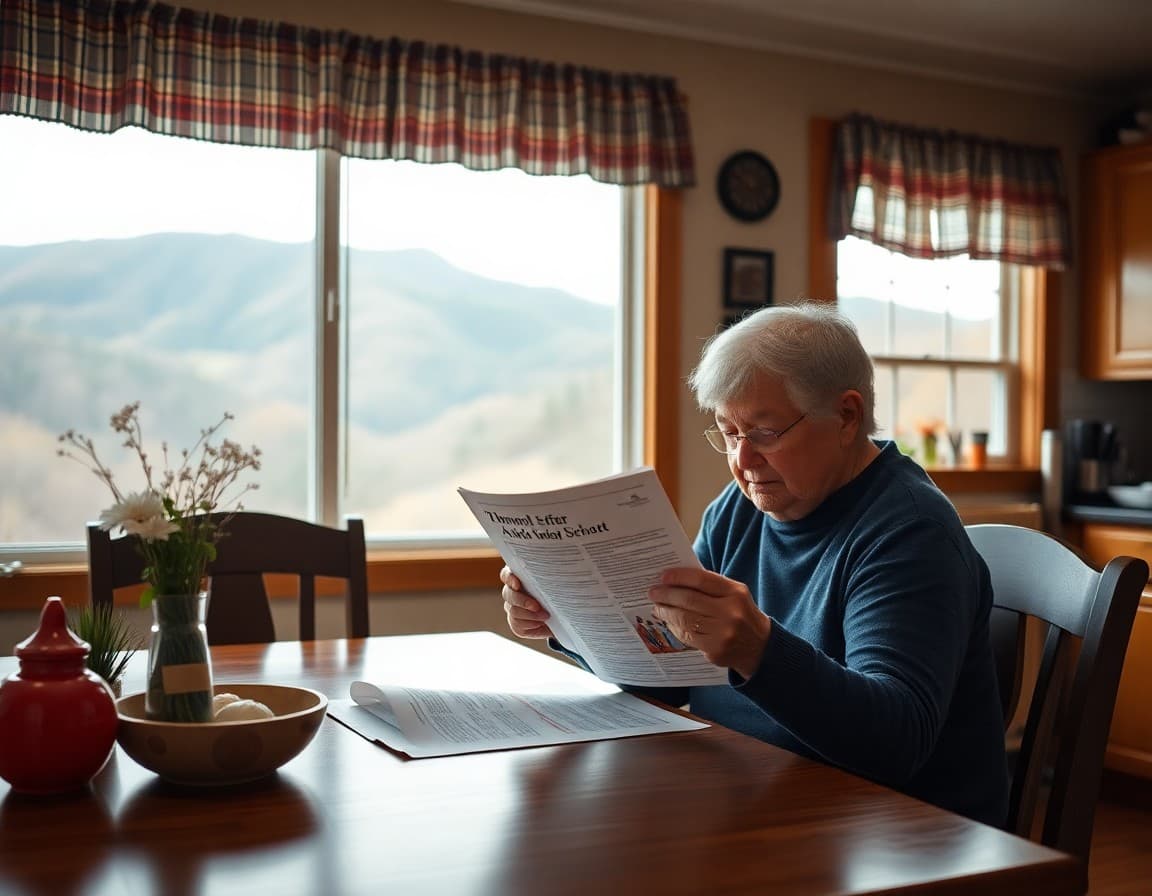
West Virginia elementary teachers face a communication challenge that is distinct from most other states: significant connectivity gaps in one of the most rural and mountainous states in the country, combined with communities experiencing genuine economic hardship. Reaching every family consistently requires a communication approach that does not assume broadband access, builds in physical backups for digital communication, and maintains a warm, community-centered tone that reflects the close relationships WV teachers often have with local families. This guide covers how to build that approach in practice.
Never Rely Entirely on Digital Communication
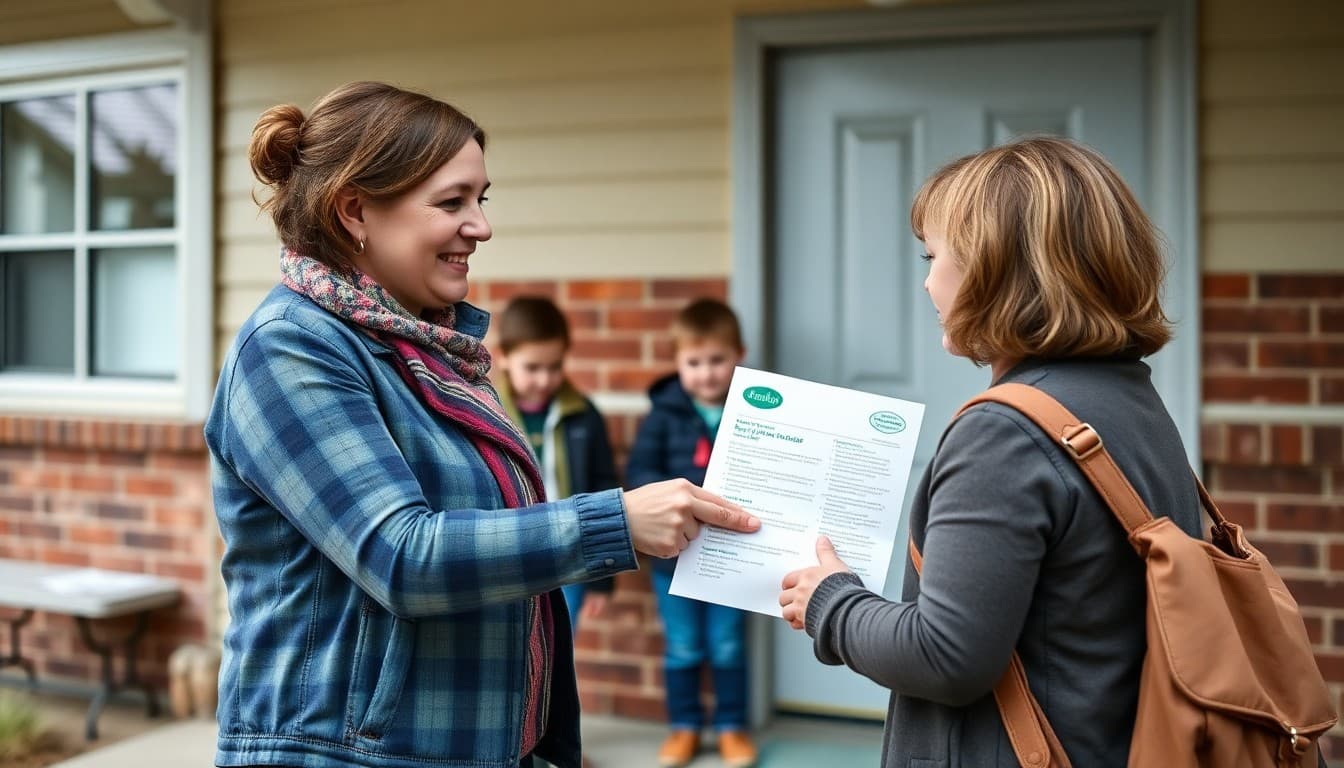
West Virginia has the lowest broadband adoption rate of any state in the country. In rural counties in the southern coalfields, the eastern panhandle mountains, and the central highlands, many families have no reliable home internet access. A digital-only communication strategy leaves a significant portion of WV elementary families without information about what their child is doing at school. Every newsletter you send digitally should also go home as a paper copy in the student's backpack. This is not a concession; it is the communication baseline in WV.
Use Text Messaging for Time-Sensitive Updates
Text messaging has far better penetration than email in rural West Virginia because it works on basic cell plans without requiring broadband internet. For time-sensitive communication, including weather closures, testing reminders, and urgent school notices, SMS text reaches a much larger percentage of WV families than email or app-based notifications. Many WV schools use automated text notification systems. Teachers can supplement these with direct text updates for classroom-specific urgent information where permitted by district policy.
Address Ice Storms and Flooding Communication
West Virginia experiences ice storms in winter, flash flooding in mountain communities after heavy rain, and spring flooding along the rivers. Schools close frequently for these events, sometimes with very little advance notice. Elementary families need to know before the school year begins how the school communicates weather closures, what the phone notification system is, and how to check school status if they cannot receive a call or text. A clear, specific weather communication section in your beginning-of-year newsletter, covering the exact systems the school uses, is high-value practical information for WV families.
A Template Newsletter Section for WV Families
Here is a simple, warm template for West Virginia elementary teachers:
"Hello [CLASS] families. Here is what we are working on this week: [ACADEMIC FOCUS]. Important dates: [2-3 EVENTS]. One thing to try at home: [SPECIFIC TIP]. Weather reminder: [IF RELEVANT]. Best way to reach me: [CONTACT METHOD]. Thank you for everything you do for your child's education."
Send this by email, and send it home as a printed copy. Both channels matter in West Virginia.
Acknowledge the Economic Context Your Families Live In
Many West Virginia communities are navigating significant economic challenges related to the decline of the coal industry, limited economic diversification, and persistent poverty in rural counties. Elementary families who are managing job loss, housing instability, or food insecurity have less bandwidth for school communication that feels like another demand on their time and attention. A newsletter that is brief, practical, and acknowledges the real circumstances families face, while also communicating warmth and genuine care for their child, is far more effective than one that assumes comfortable, resourced family life as the norm.
Cover WVGSA Testing Windows with Practical Information
West Virginia's General Summative Assessment runs in the spring for grades 3 through 5 in English language arts and math. Families benefit from advance notice about testing dates, attendance expectations, and what children should bring. In communities where standardized testing has historically felt like something done to students rather than for them, a newsletter that explains the purpose of the assessment calmly and honestly, and that notes that a single test score does not define a child's ability or potential, strikes the right tone for most WV families.
Build On the Community Strength of WV School Culture
West Virginia has a strong tradition of community identity built around local schools. School sports, music programs, and community events like homecoming are often the center of small-town social life. Elementary newsletters that connect school events to the broader community, acknowledge local traditions, and recognize the role the school plays in community life tap into something real and valued. Families in WV do not just want to know what is happening in the classroom; they want to feel that the school belongs to them and their community.
Maintain Communication Through the Long School Year
West Virginia's school year runs through late spring, and the stretch from January to April can be a challenging time for family engagement. Weather makes school travel difficult, economic stress peaks in winter, and the routine of school life can feel disconnected from family life. A newsletter that arrives reliably every week, even when brief, keeps the line open. Daystage helps WV teachers maintain that consistency by making newsletter production fast enough to happen even on the most difficult weeks of the school year.
Get one newsletter idea every week.
Free. For teachers. No spam.
Frequently asked questions
What are the best ways to communicate with parents at West Virginia elementary schools?
West Virginia has significant broadband access challenges, particularly in its mountainous rural counties. Many WV elementary families cannot reliably access email or app-based communication from home. Text messaging tends to have better penetration than email in rural WV communities because it works on basic cell plans without reliable broadband. Paper notices sent home in backpacks remain an important primary channel. In more urbanized areas like Charleston, Huntington, and Morgantown, digital communication works well for most families.
What state-specific events or topics should West Virginia elementary newsletters cover?
West Virginia elementary newsletters should address West Virginia General Summative Assessment (WVGSA) testing windows in the spring, severe weather including ice storms and flooding that regularly close schools, any WV Department of Education policy updates affecting elementary families, and community support resources that are relevant to families in economically challenged communities. Many WV schools serve communities affected by economic transitions related to the decline of the coal industry.
How do West Virginia elementary schools handle multilingual parent communication?
West Virginia has a very small multilingual population compared to most states. The state's communities are overwhelmingly English-speaking. The primary communication accessibility challenge in WV is not language but technology access, economic stress, and the logistical barriers facing families in remote mountain communities. Teachers should focus their communication accessibility efforts on ensuring that digital-only communication always has a physical backup.
What communication tools work best for reaching West Virginia elementary families?
Text messaging and printed notices have the broadest reach in rural WV. Many families in the southern and eastern counties have limited broadband access. Phone calls remain a valued and used communication tool in WV school communities in a way that is less common in more urban states. In Charleston, Huntington, and Morgantown, email and app notifications work for most families. Building a communication system that always has a non-digital backup is essential for WV teachers.
What tool do West Virginia elementary school teachers use to send professional newsletters?
Daystage is used by elementary teachers in West Virginia to build polished school newsletters that can be sent by email and also printed and sent home with students. For WV teachers who need to reach families both digitally and on paper, having a single tool that produces professional-quality output for both channels is practical. It reduces the time spent on newsletter design so teachers can focus on ensuring every family receives communication through at least one channel.

Adi Ackerman
Author
Adi Ackerman is a former classroom teacher and curriculum writer with 8 years in K-8 schools. She writes about school communication, parent engagement, and what actually works in real classrooms.
More for Elementary
Ready to send your first newsletter?
3 newsletters free. No credit card. First one ready in under 5 minutes.
Get started free