
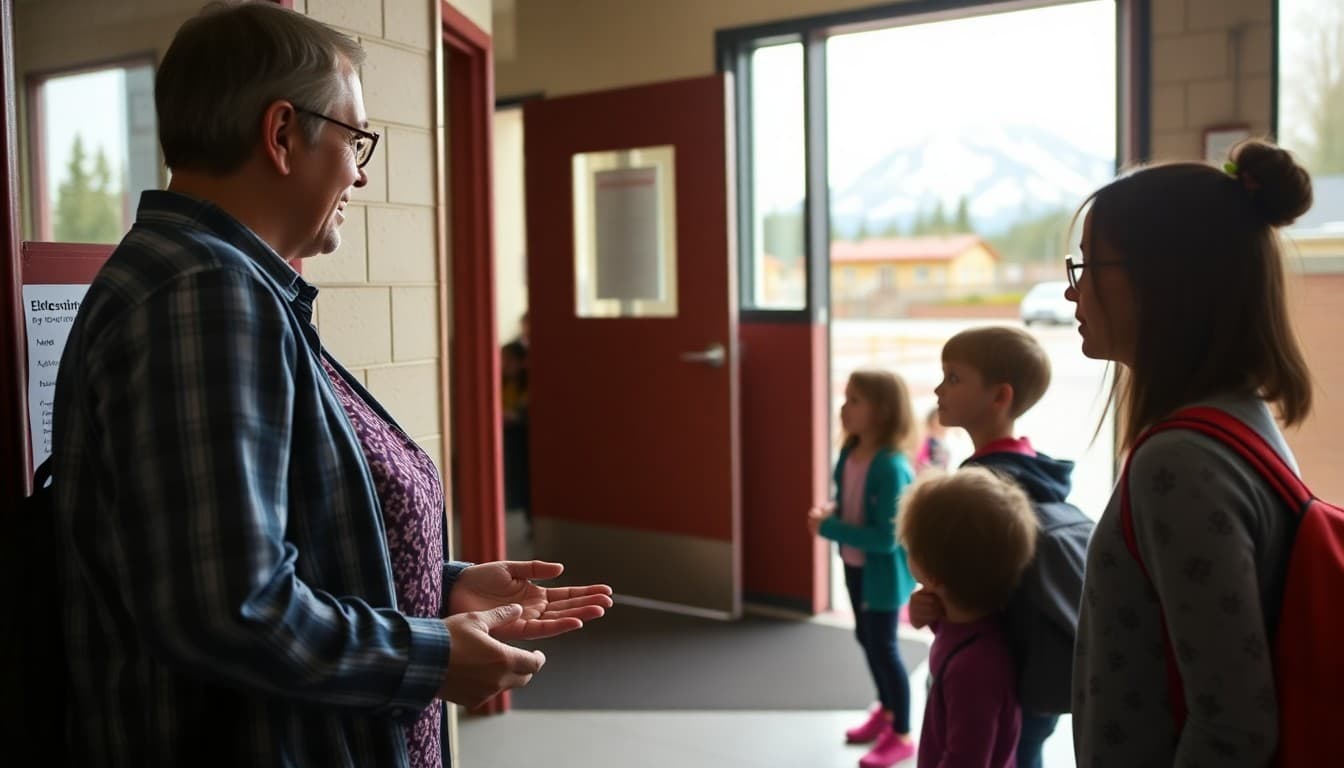
Washington Elementary School Parent Communication Guide
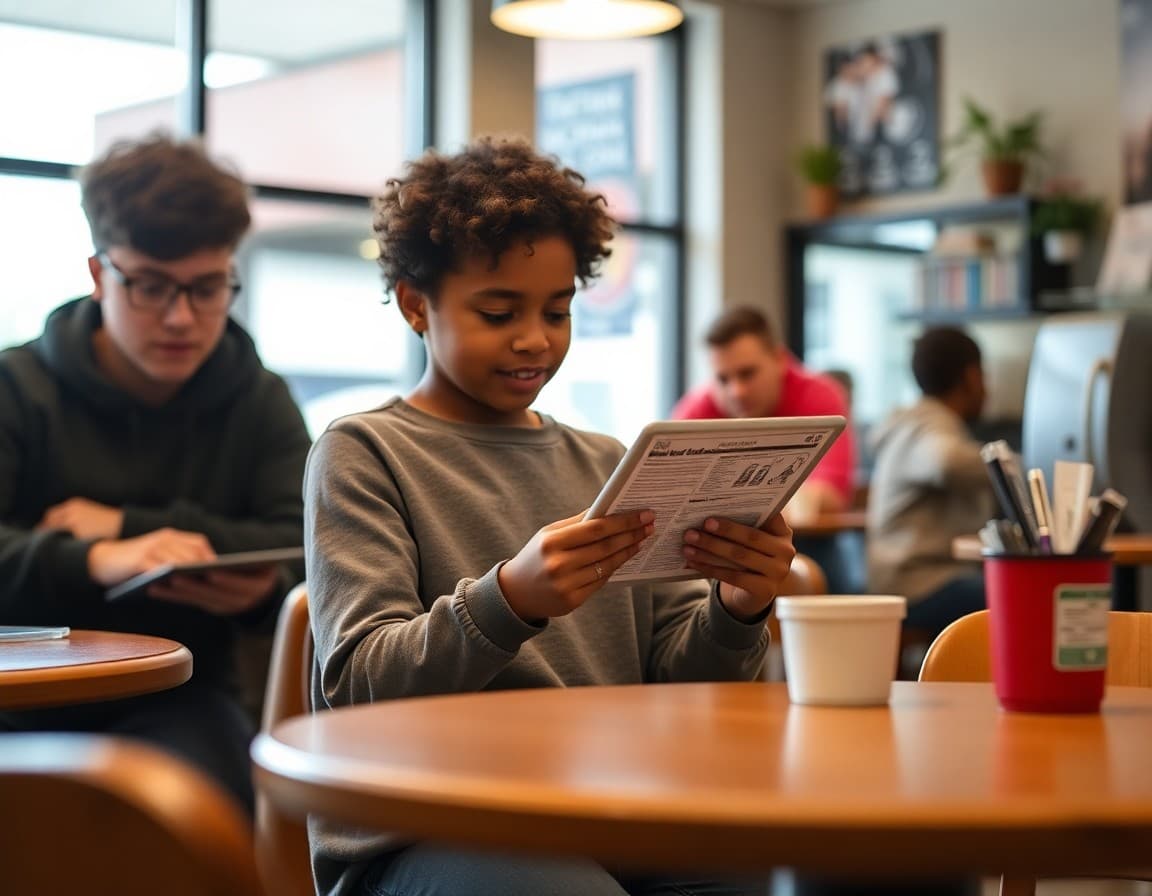
Washington State spans enormous geographic and demographic diversity: the tech-forward, globally connected Seattle metro; the agricultural towns of the Yakima Valley and Columbia Basin with large Spanish-speaking communities; rural fishing and logging communities along the coast and Cascade foothills; and tribal nations across the state. Parent communication that reaches all of these communities requires flexibility, a bilingual baseline in many areas, and consistent delivery. This guide covers what works for Washington elementary teachers across that range.
Eastern Washington Requires Spanish-Language Communication as Standard
The Yakima Valley, Wenatchee, Kennewick, and Pasco areas have elementary schools where Spanish is the most common home language among families. In some schools, more than half of enrolled students come from Spanish-speaking households. For teachers in these communities, providing English-only newsletters is not a neutral default; it actively excludes a majority of the parent community. Building bilingual newsletters from the start of the year is the practical and equitable baseline. Even teachers who do not speak Spanish can produce bilingual content by using district translation resources and building translation into their weekly newsletter workflow.
Address Wildfire Smoke and Air Quality Policies
Wildfire smoke has become a significant and recurring issue across Washington State in late summer and fall. Eastern Washington typically faces smoke first, but the Seattle metro now regularly experiences unhealthy air quality days in August and September as well. Elementary families need to know how the school responds to poor air quality: what AQI level triggers indoor recess, how the school notifies families of changes, and what appropriate respiratory protection looks like for children. Including a clear air quality policy section in your beginning-of-year newsletter, before fire season peaks, prevents confusion and unnecessary family anxiety during the first smoke advisory.
Prepare Families for Earthquake Risk in the Puget Sound Region
The Seattle area and surrounding Puget Sound region sit near the Seattle Fault and the Cascadia Subduction Zone. Washington State has mandatory earthquake preparedness drills for schools, and elementary families benefit from knowing the drill protocol, how students are accounted for after a seismic event, and how family reunification works following a major earthquake. A brief, factual section on earthquake preparedness in your beginning-of-year newsletter is both a safety investment and a demonstration that the school takes the real risks seriously.
A Template Newsletter Section for WA Families
Here is a template that works across Washington State's varied communities:
"Hello [CLASS] families. This week we are focused on [ACADEMIC TOPIC]. Coming up: [2-3 KEY DATES]. One thing to try at home: [SPECIFIC ACTIVITY]. Air quality or weather note: [IF RELEVANT]. Important reminder: [ASSESSMENT OR POLICY]. How to reach me: [CONTACT]. Thank you for your partnership."
For schools with significant Spanish-speaking families, follow this with a Spanish translation covering at minimum the key dates, the main reminder, and contact information. A brief translated section is substantially better than none.
Cover Smarter Balanced Assessment Windows Early
Washington students in grades 3 through 5 take Smarter Balanced Assessments in English language arts and math each spring. A newsletter in February or early March that explains the testing calendar, attendance expectations, and how results will be used removes most family confusion before the testing window opens. Washington families, particularly in the Seattle metro, tend to value honest communication about what standardized assessments measure and what they do not. A newsletter that provides that context accurately and without pressure is more effective than one that simply encourages test performance without explaining the purpose.
Acknowledge Washington's Tribal Nations
Washington has 29 federally recognized tribal nations. Schools in communities near tribal lands, particularly in western Washington near the Puget Sound tribes and in eastern Washington near the Yakama, Colville, and other nations, should communicate in ways that acknowledge Indigenous cultural identity, recognize tribal education resources, and treat Native students and families with the respect their history and presence warrant. Work with tribal education liaisons where available, and be specific rather than generic in acknowledgments of tribal community events.
Support Seattle Metro Families' High Communication Expectations
Seattle-area elementary families, particularly in high-resource districts like Bellevue, Mercer Island, and Northshore, have high expectations for professional-quality school communication. These families are accustomed to well-designed, clear, timely updates and notice quickly when communication falls short. That does not mean newsletters need to be elaborate, but it does mean they need to be polished, accurate, and sent on a reliable schedule. A brief, well-written weekly newsletter from a teacher builds more trust than an occasional long one.
Build a Communication Rhythm That Holds Through the Rainy Season
Western Washington's rainy season runs from October through May, and it shapes the rhythm of school life in the Pacific Northwest. Building a communication habit that holds through the long gray stretch of November through February is what separates teachers who maintain high family engagement from those who lose it after the first parent-teacher conferences. Daystage helps Washington elementary teachers maintain that rhythm by keeping newsletter production fast enough to happen consistently, even during the busiest and least energetic stretches of the school year.
Get one newsletter idea every week.
Free. For teachers. No spam.
Frequently asked questions
What are the best ways to communicate with parents at Washington elementary schools?
Washington State elementary school families in the Seattle metro, Bellevue, and Redmond area expect polished digital communication via email and app and are often very tech-savvy. Eastside communities have particularly high expectations for communication quality. Rural eastern Washington communities, including agricultural towns in the Columbia Basin and Yakima Valley, may have families with limited internet access who rely on text messaging and paper notices. Bilingual English-Spanish communication is essential across much of the state.
What state-specific events or topics should Washington elementary newsletters cover?
Washington elementary newsletters should address Smarter Balanced Assessment windows in the spring for grades 3-5, wildfire smoke and air quality policies for eastern Washington and affected western Washington communities, earthquake and volcanic eruption preparedness for the Puget Sound region, and Washington State report card communication. Schools in the Yakima Valley and Columbia Basin should address Spanish-language communication as a standard practice given the large agricultural worker population.
How do Washington elementary schools handle multilingual parent communication?
Washington has large Spanish-speaking populations in eastern Washington agricultural communities and growing numbers in the Seattle metro. King County also has significant Vietnamese, Somali, Chinese, and other language communities. Many Seattle-area districts have robust translation services. The Yakima Valley and Wenatchee areas have particularly high concentrations of Spanish-speaking families in elementary schools. Spanish-English bilingual newsletters are a standard expectation in much of eastern Washington.
What communication tools work best for reaching Washington elementary families?
In the Seattle, Bellevue, and Tacoma metros, email and app notifications reach most families reliably. In eastern Washington, text messaging is an important channel for families in agricultural communities with limited broadband access. Many Washington districts use platforms like ParentSquare or Seesaw. Individual teacher newsletters provide classroom-level specificity that complements school-wide communication and tends to generate higher family engagement.
What tool do Washington elementary school teachers use to send professional newsletters?
Daystage is used by elementary teachers in Washington State to create and send polished weekly newsletters without design experience. Teachers can build bilingual updates with classroom photos and event reminders and send them to family email addresses quickly. For Washington teachers managing diverse classrooms with multilingual families, it makes consistent and professional communication achievable on a weekly basis.

Adi Ackerman
Author
Adi Ackerman is a former classroom teacher and curriculum writer with 8 years in K-8 schools. She writes about school communication, parent engagement, and what actually works in real classrooms.
More for Elementary
Ready to send your first newsletter?
3 newsletters free. No credit card. First one ready in under 5 minutes.
Get started free