

Vermont Elementary School Parent Communication Guide
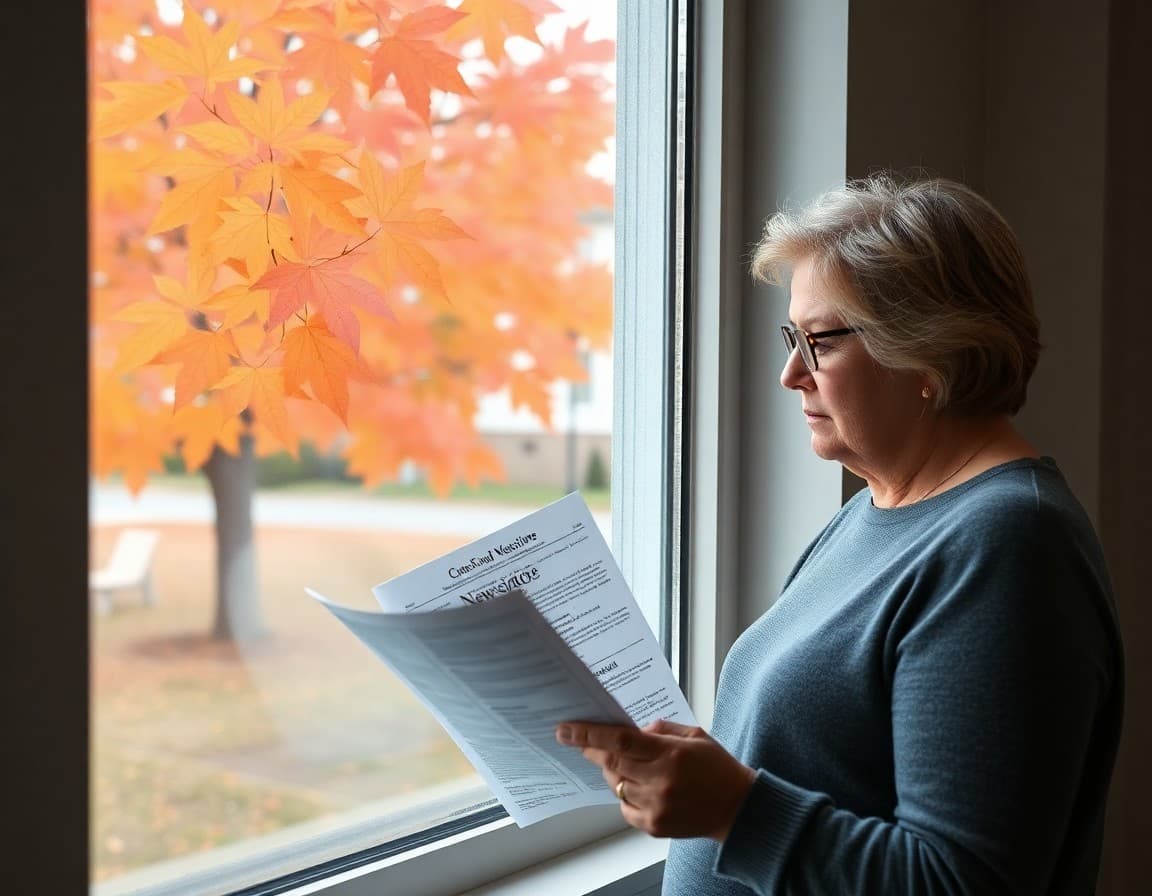
Vermont elementary schools are among the smallest and most community-centered in the country. A school of 80 students is not unusual. The teacher often knows every family personally. That intimacy is a genuine strength in building family engagement, but it does not mean formal communication is less important. A consistent newsletter builds the trust and habit that makes parents show up to conferences, follow up on reading goals, and feel genuinely connected to what their child is doing at school. This guide covers how to build that communication practice in a Vermont elementary classroom.
Build on the Community Relationships Already in Place
Vermont's small school culture means you have something most urban teachers spend years trying to build: families who already know you. Use that advantage in your newsletter. Write in a personal, conversational tone that reflects an actual relationship. Mention what the class laughed about this week, what project made everyone proud, what challenge you are working through together. That specificity makes families feel like insiders in their child's school experience, not just recipients of official updates.
Handle Winter and Mud Season Communication
Vermont winters are serious. Schools close for snowstorms, cold snaps, and the complicated mud season that arrives in March and April when dirt roads become impassable. Families need to know before the school year begins how the school communicates weather-related closures, what the process is for announcing delays versus full closures, and where they can check for updates. A beginning-of-year newsletter section on weather communication, with specific mention of the notification system the school uses, removes uncertainty from an experience that is otherwise stressful for families managing work and child care.
Feature Vermont's Outdoor and Environmental Education Culture
Vermont has a national reputation for outdoor learning, farm-to-school programs, and environmental education. Many Vermont elementary schools have school gardens, maintain outdoor classroom spaces, take regular nature walks, and incorporate maple sugaring, forest ecology, and local agriculture into the curriculum. These are the moments families want to know about. A newsletter section that describes what happened on the class walk this week, what is growing in the school garden, or how the chickens at the school farm are doing connects families to a dimension of school life they would not otherwise see.
A Template Newsletter Section for VT Families
Here is a warm, community-centered template for Vermont elementary teachers:
"Hello [CLASS] families. Here is what we have been up to this week: [SPECIFIC CLASSROOM ACTIVITY OR LEARNING]. Coming up: [2-3 DATES OR EVENTS]. One thing to try at home: [ACTIVITY OR CONVERSATION STARTER]. Weather or road condition note: [IF RELEVANT]. Reach me at: [CONTACT]. Looking forward to seeing you all soon."
That last line fits Vermont's community culture. In a small school, you often will see families at the general store, the town meeting, or the school garden. Your newsletter should feel like it is written by someone who belongs to the same community.
Address VTCAP Testing Calmly and Clearly
Vermont's VTCAP assessments run in the spring for grades 3 through 5. Vermont's education culture tends toward skepticism of high-stakes standardized testing, and many families share that perspective. Your newsletter communication about VTCAP can acknowledge the context honestly: explain what the assessment measures, why attendance during the window matters, and how results will be shared, without pretending that the assessment is more definitive than it is. Honest, low-anxiety communication about testing is both more accurate and more effective for Vermont families than high-pressure messaging.
Support Winooski and Burlington's Refugee Communities
Winooski, a small city adjacent to Burlington, has one of the most diverse school populations in New England per capita. Schools there serve families from Somalia, Sudan, the Democratic Republic of Congo, Bhutan, Iraq, and many other countries. These families bring rich cultural knowledge and deep investment in their children's education, but may face language barriers, unfamiliarity with the US school system, and limited access to digital technology. Elementary teachers in these communities benefit from partnering with the district's multilingual learner liaisons and using bilingual communication wherever possible.
Acknowledge the Act 46 Consolidation Context
Vermont's Act 46 school consolidation law has merged many small districts into unified union school districts. For families, this sometimes means that their local school is part of a larger administrative unit that feels less personal than the town school it used to be. Communication from the classroom teacher becomes even more important in this context. Families who feel personally connected to their child's classroom teacher, even within a larger merged district, are more engaged and more trusting of the school system overall.
Send Consistently Through Every Season
Vermont's school year runs from September through late June, and includes a long winter, a muddy March, and a spectacular but brief spring. The teachers who maintain the most engaged parent communities throughout the year are those who send consistently through all of it. Daystage makes Vermont teachers' consistent communication sustainable by keeping newsletter production fast enough to happen every week, whether it is the first week of October or the third week of February.
Get one newsletter idea every week.
Free. For teachers. No spam.
Frequently asked questions
What are the best ways to communicate with parents at Vermont elementary schools?
Vermont is a small, rural state with a strong tradition of community schools. Many Vermont elementary schools serve small student bodies where the teacher-family relationship is already personal. The most effective communication builds on those relationships with consistent, specific weekly updates. Email works well in most Vermont communities, but rural areas in the Northeast Kingdom and other remote regions may have limited broadband access, making text messaging and paper notices important supplements.
What state-specific events or topics should Vermont elementary newsletters cover?
Vermont elementary newsletters should cover VTCAP (Vermont Comprehensive Assessment Program) testing windows in the spring, winter and mud season communication about school closures and travel conditions, Act 46 school consolidation impacts for families in merged districts, and Vermont-specific environmental education activities. Vermont also has a strong tradition of outdoor learning and farm-to-school programs that are worth featuring in school newsletters.
How do Vermont elementary schools handle multilingual parent communication?
Vermont has a smaller multilingual population than most states, but Winooski, Burlington, and Rutland have significant refugee and immigrant communities. Winooski in particular has a notably diverse school population with families from African, Middle Eastern, and Asian countries. Schools in these communities have invested in multilingual communication and translation support. Vermont law does not have specific state-level language access requirements beyond federal Title III, but the cultural commitment to equity in VT schools is generally strong.
What communication tools work best for reaching Vermont elementary families?
In Burlington, South Burlington, and other Chittenden County communities, email and app notifications work well. In rural Vermont, particularly the Northeast Kingdom and more remote communities, broadband access is less reliable and text messaging and phone calls remain essential. Vermont school communities tend to value personal relationships, so communication that feels personal and direct outperforms formal or automated-sounding messages in engagement.
What tool do Vermont elementary school teachers use to send professional newsletters?
Daystage is used by elementary teachers in Vermont to build and send polished school newsletters quickly. Teachers can create weekly updates with classroom photos, event details, and curriculum notes and send them directly to family email addresses. For Vermont teachers in small schools with limited administrative support, it makes professional-quality communication achievable without needing design skills or a dedicated technology budget.

Adi Ackerman
Author
Adi Ackerman is a former classroom teacher and curriculum writer with 8 years in K-8 schools. She writes about school communication, parent engagement, and what actually works in real classrooms.
More for Elementary
Ready to send your first newsletter?
3 newsletters free. No credit card. First one ready in under 5 minutes.
Get started free