

Virginia Elementary School Parent Communication Guide
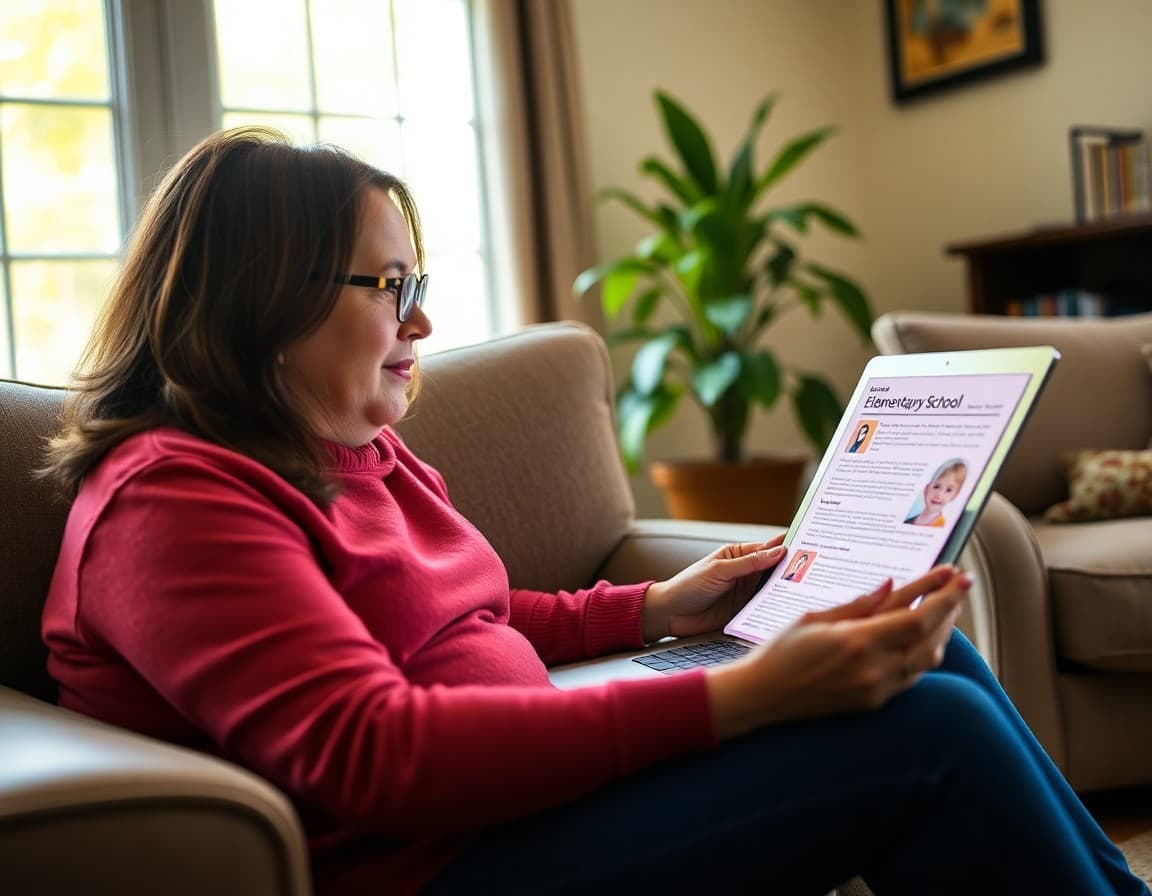
Virginia's elementary schools span one of the widest ranges of community types of any state in the East: the high-resource, internationally diverse suburbs of Northern Virginia; historic small towns in the Shenandoah Valley and Piedmont; coastal communities in Hampton Roads; urban districts in Richmond, Norfolk, and Roanoke; and rural communities in Southwest and Southside Virginia. Effective parent communication in this context requires knowing which kind of community you are in and building your approach accordingly. This guide covers what works across that range.
Northern Virginia Requires Multilingual Communication by Default
Fairfax County, Prince William County, Arlington, and Loudoun County are among the most diverse school districts in the country. A single elementary school may serve families who speak Spanish, Korean, Vietnamese, Amharic, Hindi, Arabic, and a dozen other languages. In these communities, English-only communication is not a neutral default; it is a decision to exclude a significant portion of the parent community. Working with district translation services to provide key newsletter content in the most common home languages in your school is both a legal best practice and the most effective way to build family engagement across your full community.
Cover SOL Testing Windows with Practical Information
Virginia's Standards of Learning assessments run in the spring for grades 3 through 5 in reading, math, science, and history. Families benefit from advance notice about the testing calendar, what attendance during the testing window means for makeup testing, and how SOL scores are used. Virginia's SOL system is high-stakes at the school accountability level, and some families carry anxiety about it. A newsletter that explains the purpose of the assessments calmly, answers the practical questions families have, and notes what children should bring on test days is more effective than one that builds pressure without providing information.
Address Virginia's Third-Grade Reading Initiative
Virginia has taken significant state-level action on early literacy, and elementary families in K-3 benefit from understanding what proficient reading looks like at each grade level, what the school does to support children who are behind, and what they can do at home to support literacy development. Communicating about reading benchmarks early and consistently throughout K-3 gives families the information they need to engage with reading support proactively rather than reactively when their child reaches a promotion decision point.
A Template Newsletter Section for VA Families
Here is a template that works across Virginia's varied school communities:
"Hello [CLASS] families. This week in our classroom we are working on [ACADEMIC FOCUS]. Coming up: [2-3 KEY DATES]. One thing to practice at home this week: [SPECIFIC ACTIVITY]. Important reminder: [SOL, WEATHER, OR POLICY]. Reach me at: [CONTACT INFO]. Thank you for your partnership."
For Northern Virginia schools with multilingual families, adding a translated key-points section below the English content is standard practice and makes a meaningful difference in engagement from non-English-dominant families.
Handle Coastal Storm and Hurricane Communication for Tidewater Schools
Virginia's Tidewater region, including Virginia Beach, Norfolk, Hampton, and Newport News, faces real hurricane and tropical storm risk. Elementary families in coastal communities need to know before hurricane season how the school communicates storm-related closures, what the evacuation protocol looks like, and how children will be reunited with their families in an emergency. A beginning-of-year newsletter section on emergency communication, updated in early June when hurricane season officially begins, sets expectations before the first storm watch appears.
Recognize Virginia's Historical and Cultural Identity
Virginia has a rich and complicated historical identity. Elementary newsletters that acknowledge the historical context of the places your school occupies, that recognize Black History Month with Virginia-specific content, that celebrate the Indigenous peoples of the Chesapeake region, and that acknowledge the contributions of the many immigrant communities that have shaped Virginia's culture demonstrate a genuine commitment to inclusive education. These connections make the newsletter feel rooted in a specific place and community rather than generic.
Support Rural Virginia School Communities
Southwest Virginia, Southside, and the rural Northern Neck have school communities that face genuine resource challenges. Teachers in these areas often have less administrative support, fewer technology resources, and families with limited access to digital communication. Building a communication system that works for these communities means maintaining paper newsletter backup options, using text messaging for urgent updates, and recognizing that a simple, consistent communication practice is more valuable than a technically sophisticated one that most families cannot access.
Send Consistently to Build the Family Habit
Whether you teach in Loudoun County or Lee County, the most effective communication is consistent communication. Families who know they will receive a newsletter every Monday morning develop the habit of reading it. That reading habit means your event invitations, testing reminders, and important policy updates reach families before the deadline rather than after. Daystage helps Virginia elementary teachers maintain that consistency by making newsletter production fast and simple enough to happen every week without fail.
Get one newsletter idea every week.
Free. For teachers. No spam.
Frequently asked questions
What are the best ways to communicate with parents at Virginia elementary schools?
Virginia elementary schools vary significantly between Northern Virginia's high-resource, high-diversity suburban districts, rural Southwest Virginia communities, and urban districts in Richmond, Norfolk, and Hampton Roads. Northern Virginia families expect digital communication and often prefer concise, professional updates. Rural Virginia communities benefit from text messaging and phone calls alongside digital channels. Across all VA schools, consistent weekly communication builds family trust and engagement over time.
What state-specific events or topics should Virginia elementary newsletters cover?
Virginia elementary newsletters should cover SOL (Standards of Learning) testing windows in the spring, third-grade reading requirements under Virginia's literacy initiatives, hurricane and tropical storm preparedness for coastal Tidewater communities, and any VDOE (Virginia Department of Education) curriculum changes. Northern Virginia schools should also communicate about diverse cultural holidays and events that reflect the international families in their communities.
How do Virginia elementary schools handle multilingual parent communication?
Northern Virginia has one of the most diverse school populations in the country, with large communities of Spanish, Korean, Vietnamese, Arabic, Hindi, and Amharic-speaking families in Fairfax, Arlington, Prince William, and Loudoun counties. Virginia's federal Title III obligations require language access for ELL families. Many Northern Virginia districts have robust translation services. Elementary teachers in diverse communities should treat bilingual and multilingual communication as a standard part of newsletter production.
What communication tools work best for reaching Virginia elementary families?
In Northern Virginia and the Richmond metro, email and app notifications work for most families. In rural Southwest Virginia, Southside, and the Shenandoah Valley, text messaging and phone calls have better reach. Many Virginia districts use unified communication platforms like ParentSquare. Individual teacher newsletters add classroom-specific value that complements district-wide communication and is often the channel that families report actually reading and finding useful.
What tool do Virginia elementary school teachers use to send professional newsletters?
Daystage is used by elementary teachers in Virginia to create and send polished class newsletters quickly. Teachers can send weekly updates with photos, event reminders, and curriculum highlights to all family email addresses. For Virginia teachers in high-demand districts like Fairfax and Loudoun, it makes professional communication achievable consistently without requiring additional technology budget or design skills.

Adi Ackerman
Author
Adi Ackerman is a former classroom teacher and curriculum writer with 8 years in K-8 schools. She writes about school communication, parent engagement, and what actually works in real classrooms.
More for Elementary
Ready to send your first newsletter?
3 newsletters free. No credit card. First one ready in under 5 minutes.
Get started free