

Tennessee Elementary School Parent Communication Guide
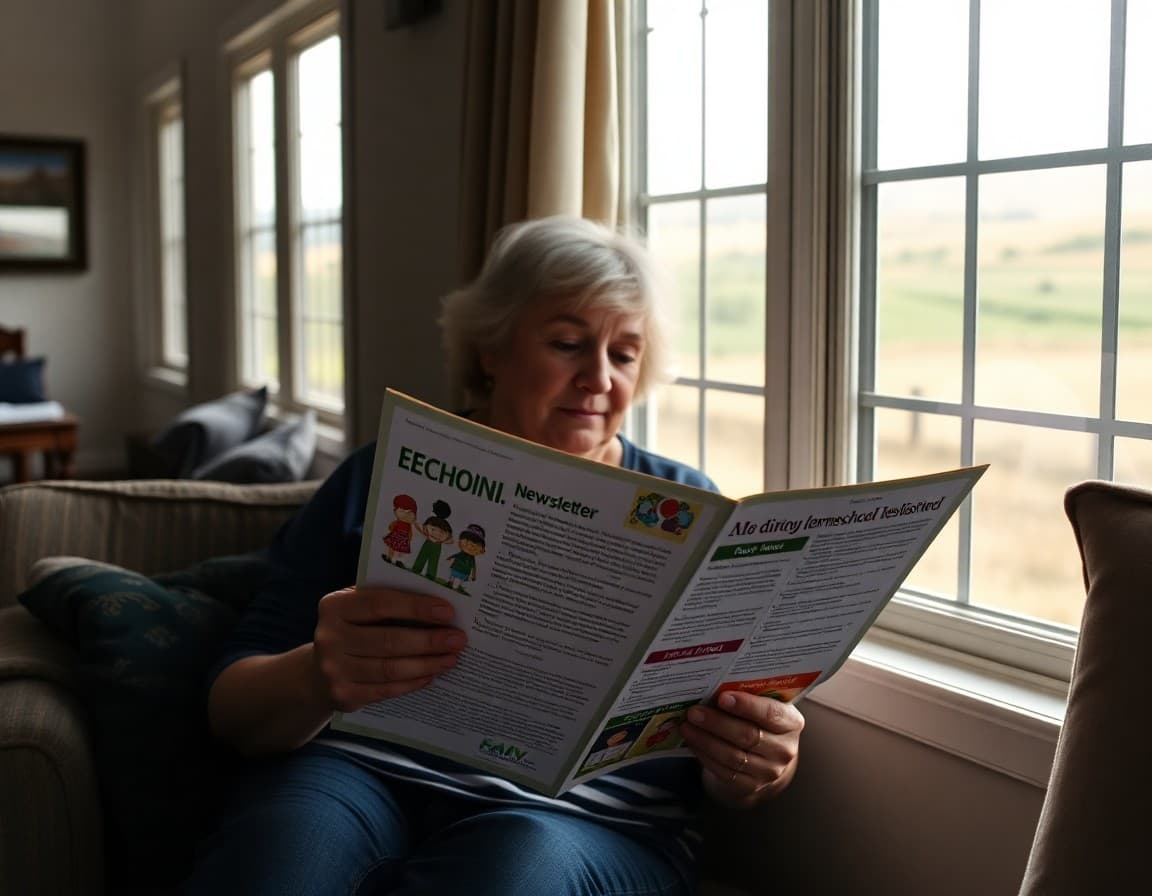
Tennessee's elementary schools sit in a state that has seen some of the fastest-growing suburban school communities in the South while also serving long-established rural and urban communities with very different needs. From Williamson County's resource-rich suburbs to Memphis's urban district to the mountain communities of Carter and Unicoi counties, the challenge for elementary teachers is the same: reach families consistently, personally, and practically. This guide walks through how to do that well across Tennessee's varied school contexts.
Address TNReady Testing with Calm, Clear Information
Tennessee's TNReady assessments for grades 3 through 5 in English language arts and math run in the spring. A newsletter sent in early March that explains the testing calendar, what attendance during the window means for makeup testing, and how results will be communicated removes most of the anxiety families carry into testing season. Include a brief, honest explanation of what TNReady measures and what it does not measure. Tennessee families who feel informed about testing are more supportive of the process and more likely to ensure their children attend on testing days.
Communicate the Third-Grade Reading Policy
Tennessee's Read to be Ready initiative and third-grade reading retention policy mean that what happens in K-3 has real consequences. Elementary teachers in grades K-2 serve their families best by introducing the reading benchmarks early, explaining what proficient reading looks like at each grade level, and describing the support available for children who are behind. Families who understand the stakes early and know that support is available are far better partners in addressing reading challenges than those who first learn about retention in third grade.
Handle Tornado and Severe Weather Communication
Middle Tennessee sits in a region with significant tornado risk, and spring storm season runs through May. Elementary families need to know before the first spring storm how the school communicates severe weather events, what the shelter-in-place protocol looks like, and how early dismissals work. Your beginning-of-year newsletter should cover this, with a refresh in March when the spring storm window opens. Clear emergency communication information is one of the most high-value things you can put in a newsletter because families remember and use it when they need it.
A Template Newsletter Section for TN Families
Here is a simple, warm template that fits Tennessee's school culture:
"Hello [CLASS] families. Here is what we are focused on this week: [ACADEMIC TOPIC]. Coming up on the calendar: [2-3 DATES OR EVENTS]. One thing to do together at home: [SPECIFIC TIP]. Important reminder: [TESTING, WEATHER, OR POLICY]. Best way to reach me: [CONTACT]. Thank you for your support."
Add a Spanish-language summary below the English section for schools with significant Spanish-speaking families. Even key dates and event names in Spanish signal inclusion to families who may otherwise feel this communication is not meant for them.
Support Nashville's Refugee and Immigrant Communities
Nashville has one of the largest Kurdish communities in the United States, substantial Somali and Arabic-speaking communities, and a growing Spanish-speaking population. For Nashville elementary teachers, multilingual communication is not an edge case; it is a core requirement for reaching significant portions of the school community. Working with district translation services, community liaisons, and bilingual parent volunteers to provide key newsletter content in multiple languages is both a practical communication strategy and a genuine act of inclusion.
Highlight the Growth of Your School Community
Tennessee has been one of the fastest-growing states in the US, and many communities are managing rapid school growth. New families move in throughout the year, and elementary schools in the Nashville suburbs may receive new students in October from families who relocated from out of state. Building a welcoming communication culture that introduces new families to the classroom newsletter and explains the communication system makes those transitions smoother and helps new families feel connected quickly.
Recognize Tennessee's Musical and Cultural Heritage
Tennessee has deep cultural traditions in music, particularly in Nashville, Memphis, and the Appalachian east. Elementary newsletters that connect classroom activities to the broader cultural context, mentioning local music programs, cultural heritage months, or community arts events, make the school feel rooted in the place rather than interchangeable with any other school. Families in Tennessee have strong local pride, and communication that reflects that pride builds a stronger sense of community around the school.
Build Consistency That Outlasts the Busy Stretches
Tennessee's school year includes testing windows, holiday breaks, professional development days, and the general chaos of a K-5 calendar. The teachers who maintain the most engaged parent communities are those who send consistently through all of it: during testing week, during the holiday sprint in December, during the long stretch after winter break. Daystage helps TN elementary teachers stay consistent by reducing newsletter production to the point where it happens reliably rather than getting bumped when something more urgent appears on the to-do list.
Get one newsletter idea every week.
Free. For teachers. No spam.
Frequently asked questions
What are the best ways to communicate with parents at Tennessee elementary schools?
Tennessee elementary schools serve a wide range of communities: the fast-growing Nashville and Knoxville suburbs, urban districts in Memphis and Chattanooga, Appalachian communities in the eastern mountains, and rural agricultural communities in West Tennessee. Metro area families generally use digital communication effectively. Rural and lower-income communities benefit from text messaging and paper notices as primary channels. Across the state, warm, direct communication in plain language works best.
What state-specific events or topics should Tennessee elementary newsletters cover?
Tennessee elementary newsletters should cover TNReady assessment windows in the spring, third-grade reading retention policy requirements, severe weather and tornado protocols for middle Tennessee and the Cumberland Plateau, and any Tennessee Department of Education curriculum initiatives affecting K-5. Schools in Memphis and Nashville should address community resource information and summer program opportunities for families who benefit from that support.
How do Tennessee elementary schools handle multilingual parent communication?
Tennessee has a growing Hispanic and Latino population, particularly in the Nashville metro, Shelby County, and manufacturing corridor communities. Nashville also has substantial Kurdish, Somali, and Arabic-speaking refugee communities that are well-established in the city. Tennessee law does not have specific state-level language access requirements beyond federal Title III obligations, but schools with significant multilingual populations should provide translated communications for testing, safety, and family engagement content.
What communication tools work best for reaching Tennessee elementary families?
In Williamson County, Shelby County, and Knox County, digital communication via email and app reaches most families reliably. In rural areas of east and west Tennessee, text messaging and printed notices remain essential. Many TN districts use platforms like ParentSquare or Remind for school-to-home communication. Individual teacher newsletters provide the classroom-level specificity that motivates families to stay engaged beyond just receiving school-wide announcements.
What tool do Tennessee elementary school teachers use to send professional newsletters?
Daystage is used by elementary teachers in Tennessee to build and send polished school newsletters quickly without design experience. Teachers can send weekly class updates with photos, event reminders, and curriculum highlights to all family email addresses in a few minutes. For TN teachers who want to build stronger family connections without adding hours to their weekly prep, it makes consistent communication achievable.

Adi Ackerman
Author
Adi Ackerman is a former classroom teacher and curriculum writer with 8 years in K-8 schools. She writes about school communication, parent engagement, and what actually works in real classrooms.
More for Elementary
Ready to send your first newsletter?
3 newsletters free. No credit card. First one ready in under 5 minutes.
Get started free