
South Dakota Elementary School Parent Communication Guide
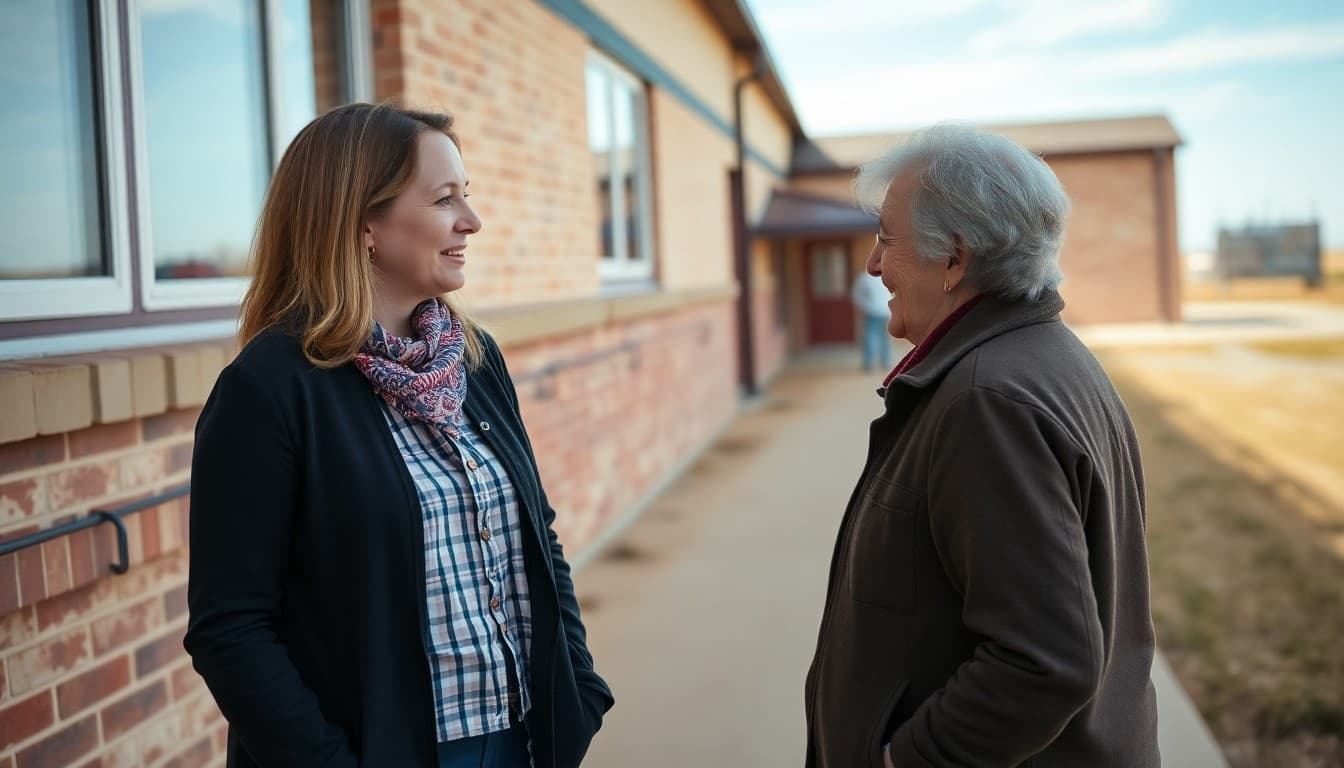
South Dakota's elementary schools sit in one of the most geographically vast and sparsely populated states in the country. Whether you teach in a growing Sioux Falls suburb, a small ranching town on the prairie, or a school on one of the nine Lakota, Nakota, and Dakota reservations, the core communication challenge is the same: build a reliable, personal connection with the families of your students, regardless of the distance or connectivity barriers between you. This guide covers how to do that effectively.
Plan for Connectivity Gaps Upfront
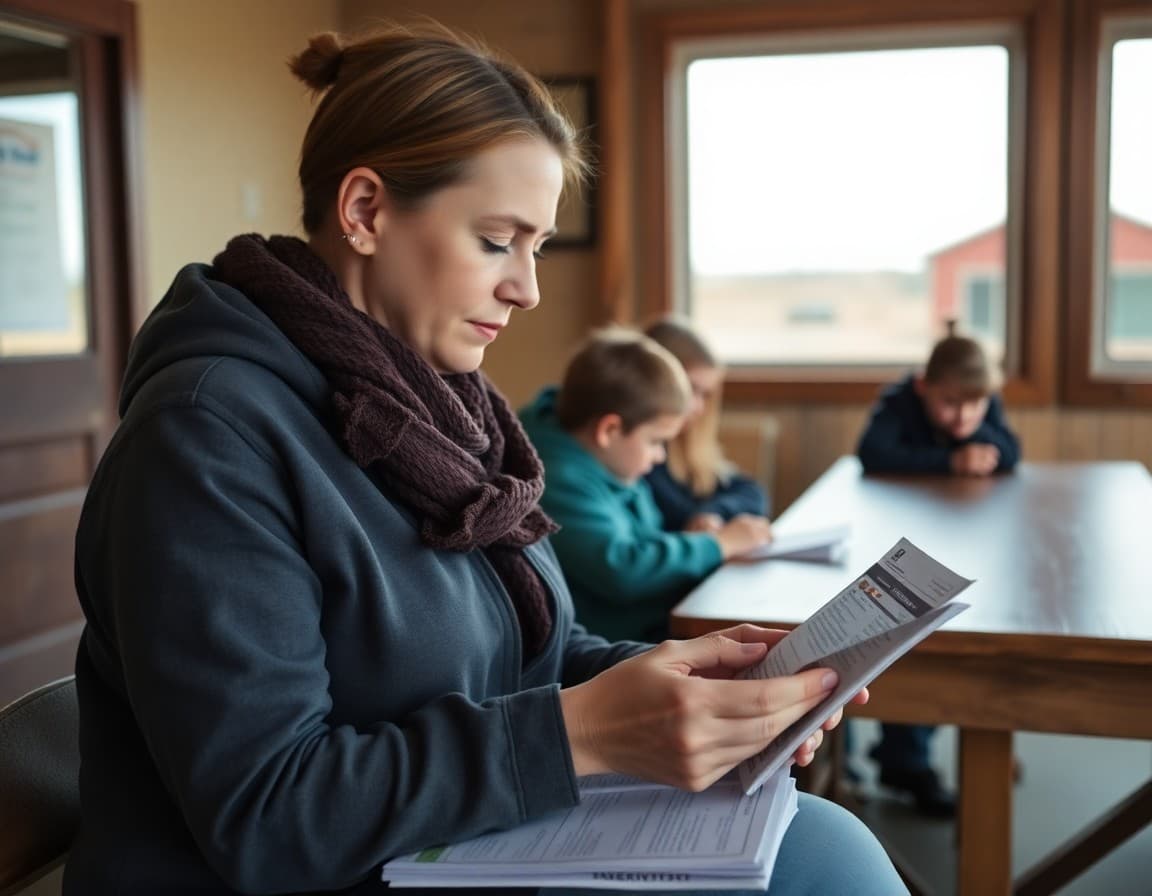
South Dakota has significant broadband access challenges in rural areas and on reservation lands. Before you rely entirely on email or app-based communication, find out which families in your class have reliable internet access at home. A paper survey sent home in the first week of school, asking which communication channels work best, takes five minutes to create and gives you the map you need to reach every family. For families without reliable internet, maintaining a printed newsletter option and using SMS for urgent messages is not optional; it is how you reach them at all.
Acknowledge Native American Cultural Contexts
South Dakota has the largest Native American population as a percentage of total state population of any state in the continental US. Schools near or on the Pine Ridge, Rosebud, Standing Rock, Cheyenne River, and other reservations serve families whose cultural, historical, and community contexts are distinct from those of non-Native schools. Communication that acknowledges traditional Dakota calendar events, cultural practices, and tribal education resources builds trust with Native families who have historically had complicated relationships with public schools. Work with your school's tribal liaison and follow the community's lead on how to acknowledge Indigenous identity appropriately.
Take Extreme Weather Communication Seriously
South Dakota winters include blizzards that close roads and schools for days at a time, and temperatures that regularly drop below minus 20. Elementary families need to know before the first October snowfall how the school communicates closures and delays, what the temperature policy for outdoor recess is, what appropriate cold-weather clothing looks like for school, and what the plan is if a blizzard develops during the school day. Clear, advance communication about winter weather protocols prevents panic and missed pickups during severe weather events.
A Template Newsletter Section for SD Families
Here is a simple, personal template that fits South Dakota's community-centered school culture:
"Hello [CLASS] families. This week we are working on [ACADEMIC TOPIC]. Here is what is coming up: [2-3 DATES OR EVENTS]. Something to try at home: [SPECIFIC ACTIVITY]. Weather note: [IF RELEVANT]. Best way to reach me: [CONTACT METHOD]. Always glad to hear from you."
That final line reflects the relationship-centered communication style that works well in South Dakota's smaller communities. Keep the tone warm and the content specific to what is actually happening in your classroom this week.
Cover SD State Assessment Windows Early
South Dakota's state assessments run in the spring for grades 3 through 5 in reading, mathematics, and science. Giving families a heads-up about the testing calendar in February or early March, along with a brief, calm explanation of what the assessments measure and how the school uses the results, reduces family anxiety and improves attendance during the testing window. Many SD families have not experienced extensive standardized testing themselves and appreciate a plain-language explanation of what the process involves for their child.
Respect the Agriculture and Ranching Calendar
Many South Dakota elementary families are connected to farming and ranching, whether directly or through the economic and cultural rhythms of their communities. Calving season in late winter, planting season in spring, and harvest in fall can all affect family availability for school events and conferences. Acknowledging that rhythm in your communication, and being flexible about scheduling around it when possible, signals that you understand and respect the lives your families live rather than treating the school calendar as the only one that matters.
Build Personal Relationships Through Your Newsletter
South Dakota school communities tend to be close-knit, and families notice when communication feels generic or impersonal. Include specific details from the week: the book the class finished, the science experiment that surprised everyone, the project a student worked hard to complete. That specificity tells families that you are paying attention to their actual child, not just managing a roster. In a small community, that kind of attention builds the trust that makes every other part of the school-family relationship easier.
Send Consistently Through the Long Winter
South Dakota winters are long, and the stretch from January to March can feel quiet and disconnected for families. A newsletter that arrives every week, even in the middle of a snowy February, keeps the line of communication open and signals that the energy in your classroom has not stalled. Daystage helps SD teachers maintain that consistency by making newsletter production fast enough to happen even when the weather outside is doing its worst.
Get one newsletter idea every week.
Free. For teachers. No spam.
Frequently asked questions
What are the best ways to communicate with parents at South Dakota elementary schools?
South Dakota elementary schools serve a small statewide population spread across a large geographic area. Sioux Falls and Rapid City have the strongest digital communication infrastructure. Rural schools and schools serving Native American families on reservations may face significant connectivity challenges. The most effective approach for SD elementary schools combines digital communication where it works with text messaging and printed notices for communities with limited internet access.
What state-specific events or topics should South Dakota elementary newsletters cover?
South Dakota elementary newsletters should address SD State Assessment windows in the spring, blizzard and extreme cold weather closure protocols, tribal cultural observances for schools on or near the Lakota, Nakota, and Dakota nation reservations, and harvest and ranching calendar considerations for agricultural families. The Black Hills region has its own distinct community culture and events worth acknowledging in school newsletters.
How do South Dakota elementary schools handle multilingual parent communication?
South Dakota's main multilingual population is concentrated in communities connected to the nine Lakota, Nakota, and Dakota Sioux reservations. Some schools also serve Spanish-speaking families in Sioux Falls and the eastern agricultural communities. Schools serving Native American families should work with tribal education departments and family liaisons to ensure communication is culturally appropriate and accessible. Recognizing Indigenous languages and cultural practices in school communication builds meaningful trust.
What communication tools work best for reaching South Dakota elementary families?
In Sioux Falls and Rapid City, email and app notifications work for most families. In rural areas and on reservations, cell service and broadband access may be limited, making text messaging and paper notices essential. Phone calls remain an important backup for urgent communication in many SD communities. Whatever the channel, the personal touch of a communication that clearly comes from a teacher who knows your child matters more in a close-knit SD community than platform sophistication.
What tool do South Dakota elementary school teachers use to send professional newsletters?
Daystage is used by elementary teachers in South Dakota to create and send polished newsletters quickly without design experience. Teachers can build weekly updates with classroom photos and event details and send them to families directly. For teachers in South Dakota's close-knit school communities, it makes the kind of consistent, professional communication that builds strong family relationships achievable without hours of extra work each week.

Adi Ackerman
Author
Adi Ackerman is a former classroom teacher and curriculum writer with 8 years in K-8 schools. She writes about school communication, parent engagement, and what actually works in real classrooms.
More for Elementary
Ready to send your first newsletter?
3 newsletters free. No credit card. First one ready in under 5 minutes.
Get started free