
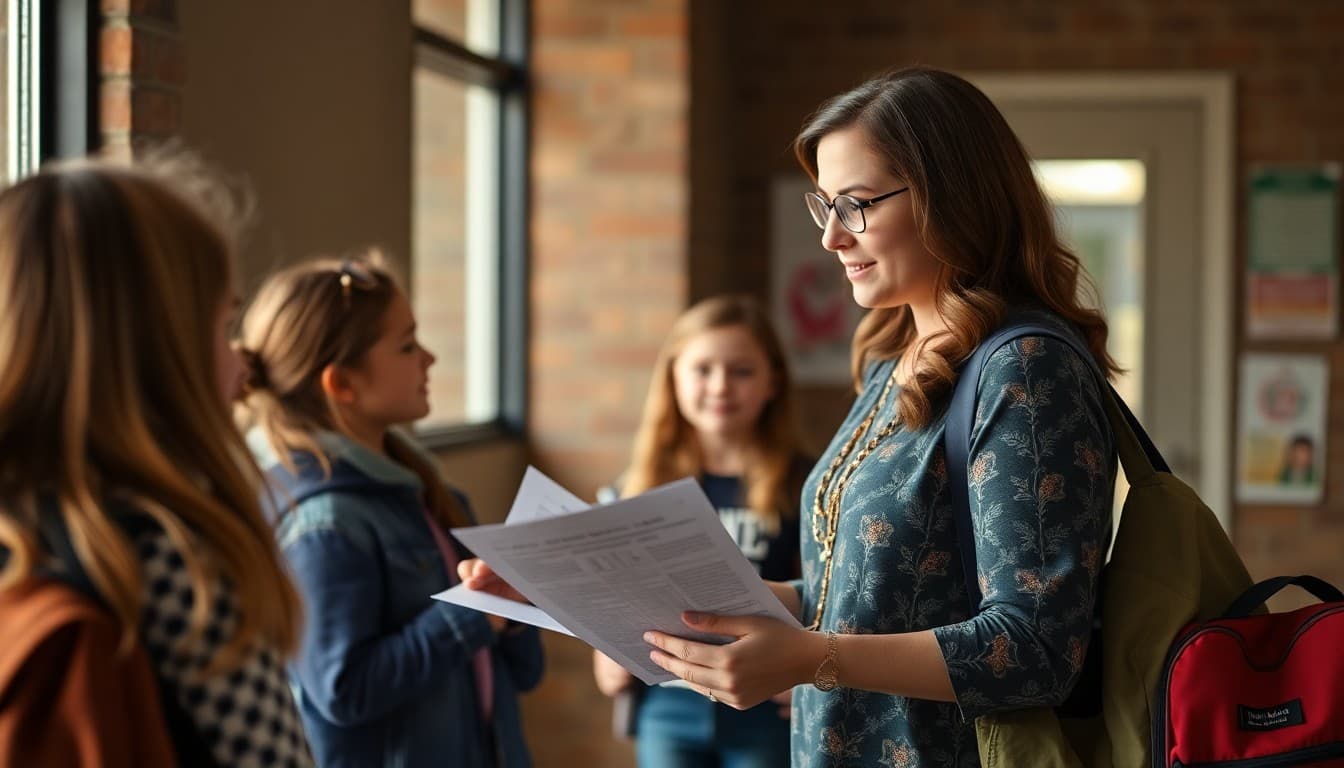
Oklahoma Elementary School Parent Communication Guide
Oklahoma elementary schools sit in the middle of tornado country, serve some of the most culturally significant Native American communities in North America, and span everything from urban districts with high resources to small rural schools where the teacher often knows every family by name. Parent communication in this context requires a practical, flexible approach. This guide covers what works for Oklahoma elementary teachers who want to reach every family reliably.
Make Tornado and Severe Weather Communication a Priority
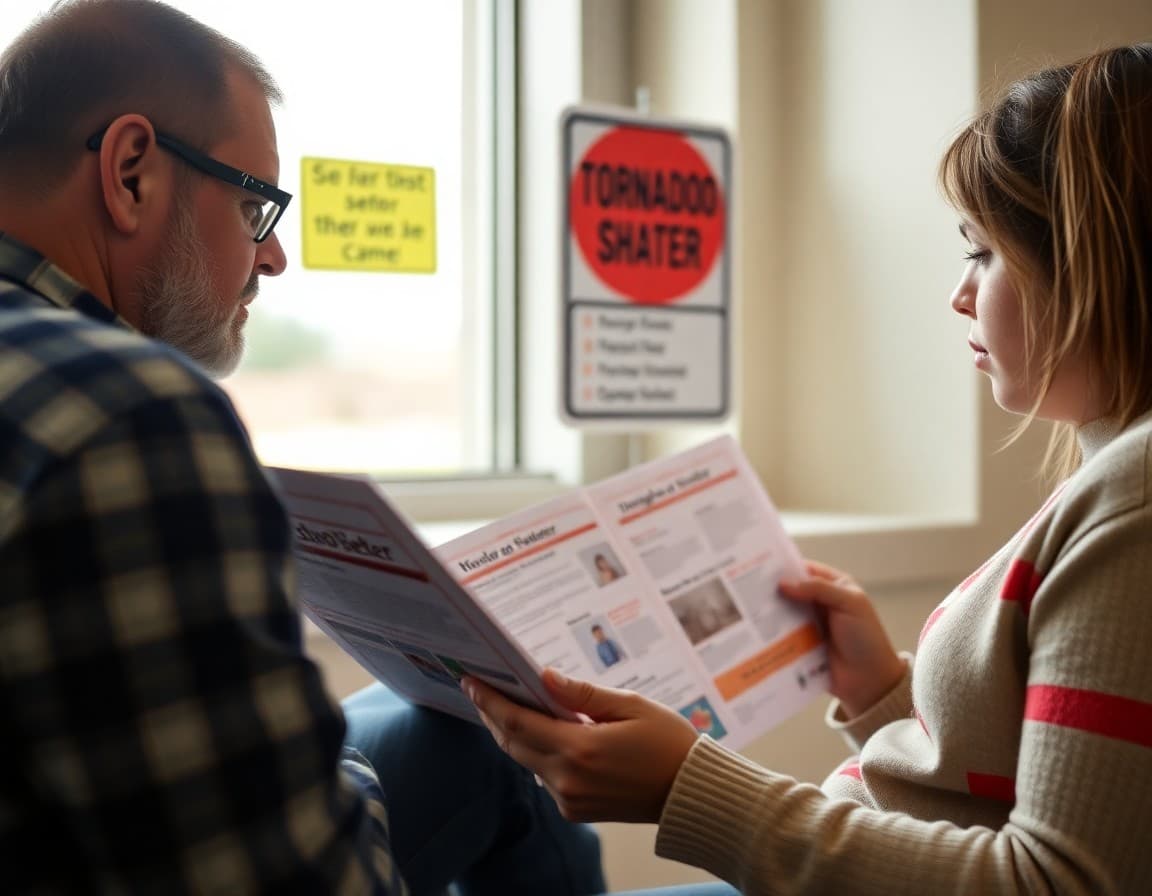
Oklahoma leads the nation in tornado frequency, and spring severe weather season runs from April through June with peak activity in May. This is not a secondary communication topic; it is central to what families need to know. Your beginning-of-year newsletter should cover: how the school notifies families of weather emergencies, what the school's shelter-in-place protocol is, how early dismissals work during severe weather watches, and what families should do if they cannot reach the school during a weather event. Update this section in March to refresh the information before peak tornado season.
Acknowledge Tribal Cultural Contexts
Oklahoma has the highest concentration of federally recognized tribal nations in the country. Schools in communities affiliated with the Cherokee, Chickasaw, Choctaw, Creek, or Seminole nations, and the many other tribes headquartered or present in the state, serve families with distinct cultural practices and educational histories. Newsletters that acknowledge tribal cultural events, land acknowledgment practices, and the availability of tribal education resources send a clear message that Native students and families are respected and seen. Work with your school's tribal liaison if one is available.
Address Oklahoma State Testing Windows Early
Oklahoma's State Testing Program runs in the spring for grades 3 through 5. Families benefit from early and clear communication about test dates, attendance expectations, and what the assessments cover. Include a note about the state's third-grade reading requirements, which require students to demonstrate reading proficiency before advancing to fourth grade under Oklahoma's Reading Sufficiency Act. Families who understand this requirement early are better positioned to engage with reading support throughout the K-3 years.
A Template Newsletter Section for OK Families
Here is a simple, direct template for Oklahoma elementary teachers:
"Hello [CLASS] families. This week we are working on [ACADEMIC FOCUS]. Here are the important dates: [2-3 EVENTS OR REMINDERS]. One thing to do at home: [SPECIFIC TIP]. Weather note: [IF RELEVANT]. Best way to reach me: [CONTACT INFO]. Thank you for your continued support."
Keep it under 200 words. Oklahoma families respond well to brevity and directness. A short, specific newsletter gets read. A long one gets set aside.
Support Spanish-Speaking Families in Your School
Oklahoma's Hispanic and Latino population has grown significantly, particularly in the Oklahoma City metro, Tulsa, and agricultural communities across the state. If your school has a significant number of Spanish-speaking families, providing a Spanish translation of key newsletter sections, particularly testing dates, safety information, and event invitations, dramatically improves engagement. Many districts have translation resources available; the barrier is often knowing they exist and building the habit of using them.
Connect Communication to Community Life
Oklahoma has strong community identity traditions, particularly in smaller towns where the school is the center of community life. Local events like the county fair, tribal ceremonial events, or community festivals often overlap with the school calendar. Mentioning upcoming community events in your newsletter, and acknowledging when the class participated in something the broader community values, makes your communication feel rooted in the actual place rather than generic. Families in Broken Arrow and families in Woodward both want to feel their community is recognized.
Plan for Broadband Gaps in Rural Areas
Rural Oklahoma has significant broadband access challenges. The eastern and western parts of the state, in particular, have communities where many families rely entirely on cellular data or have no home internet access. A digital-only communication strategy leaves these families behind. Maintaining a printed newsletter option, using text messaging for time-sensitive updates, and ensuring paper copies of important notices always go home in backpacks are not optional extras for Oklahoma teachers in rural communities; they are the baseline.
Build Consistent Communication Habits That Stick
Oklahoma elementary families are busy. When communication is consistent and predictable, families build the habit of reading it. When it is sporadic, they stop checking. The difference between a school community where parents show up and one where they feel disconnected is often as simple as whether the teacher sends a newsletter every week. Daystage helps Oklahoma teachers maintain that consistency by making the newsletter creation process fast enough to fit into any schedule.
Get one newsletter idea every week.
Free. For teachers. No spam.
Frequently asked questions
What are the best ways to communicate with parents at Oklahoma elementary schools?
Oklahoma elementary schools serve communities ranging from Tulsa and Oklahoma City suburbs to rural towns across the state. Email and app notifications work well in metro areas. In rural Oklahoma and in communities with lower income levels, text messaging and paper notices tend to have better reach. One consistent principle across the state: brevity works. Oklahoma families prefer short, direct communication over detailed reports they have to search for key information.
What state-specific events or topics should Oklahoma elementary newsletters cover?
Oklahoma elementary newsletters should cover Oklahoma School Testing Program (OSTP) windows in the spring, severe weather and tornado shelter protocols, tribal cultural observances for schools serving Native American families, and district calendar events like teacher in-service days that affect family scheduling. Oklahoma also has specific requirements for third-grade reading, and keeping families informed about literacy benchmarks throughout K-2 is important preparation.
How do Oklahoma elementary schools handle multilingual parent communication?
Oklahoma has a significant Hispanic and Latino population, particularly in the Oklahoma City metro and in agricultural communities across the state. The state also has a substantial Native American population, with 39 federally recognized tribes headquartered in Oklahoma. Schools serving tribal families should work with tribal education departments for culturally relevant communication. Spanish-language translations of key newsletters are important for schools serving Spanish-speaking families.
What communication tools work best for reaching Oklahoma elementary families?
In Oklahoma City and Tulsa metro areas, digital communication reaches most families reliably. In rural Oklahoma, where broadband access is limited in many communities, text messaging and printed notices are important. Many Oklahoma school districts use automated notification systems that combine email and text. Individual teacher newsletters are valued because they provide classroom-specific information that school-wide systems do not deliver.
What tool do Oklahoma elementary school teachers use to send professional newsletters?
Daystage is used by elementary teachers in Oklahoma to create and send polished weekly newsletters without design experience or technical knowledge. Teachers can send by class or grade, include photos and upcoming event details, and reach families on any device. For teachers managing busy classrooms and limited prep time, it makes consistent communication achievable without adding significantly to the workload.

Adi Ackerman
Author
Adi Ackerman is a former classroom teacher and curriculum writer with 8 years in K-8 schools. She writes about school communication, parent engagement, and what actually works in real classrooms.
More for Elementary
Ready to send your first newsletter?
3 newsletters free. No credit card. First one ready in under 5 minutes.
Get started free