

Ohio Elementary School Parent Communication Guide
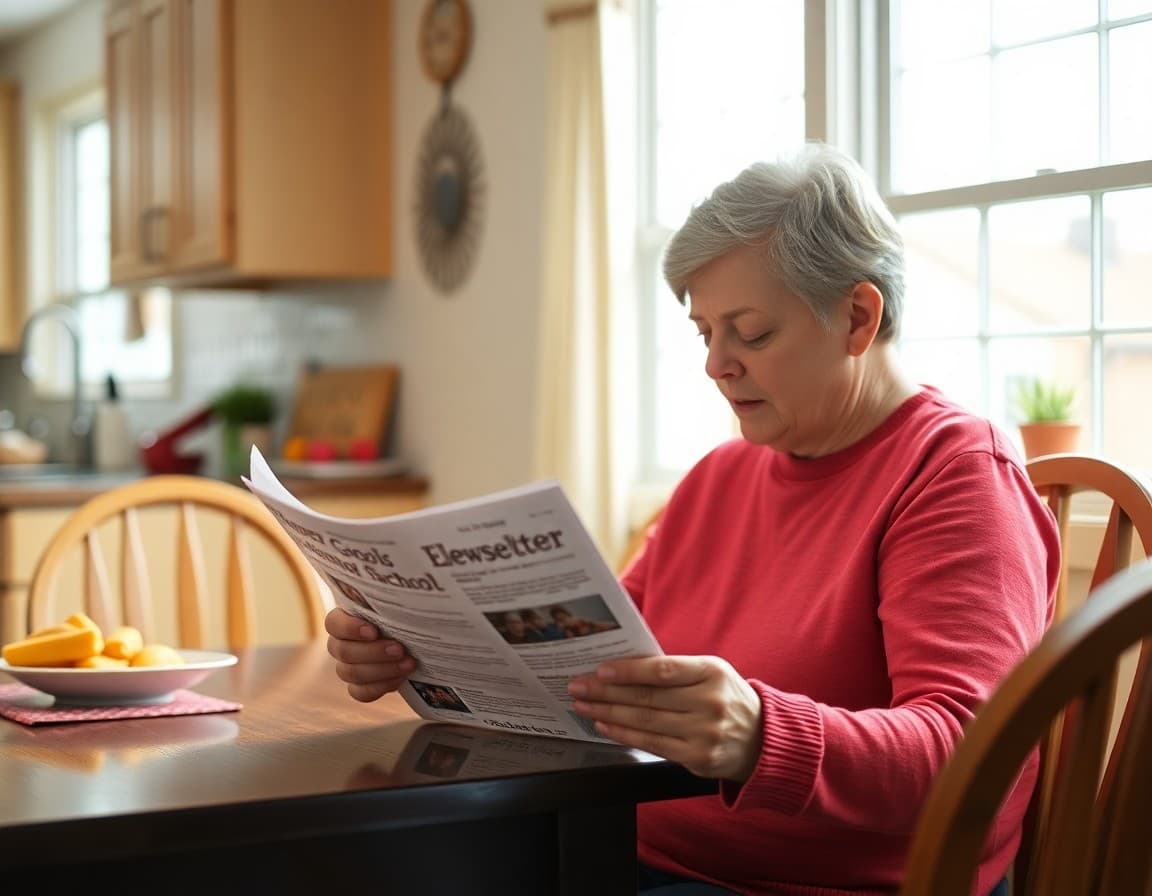
Ohio has nearly 1,700 school districts spanning major urban centers, fast-growing suburbs, mid-size cities, and some of the most economically challenged Appalachian communities in the Midwest. Parent communication in an Ohio elementary school means understanding which kind of community you are in and building a communication system that fits. This guide covers what works across that range.
Assess Your School Community's Connectivity
Technology access in Ohio elementary school communities varies widely. A teacher in Dublin City Schools or Upper Arlington can rely almost entirely on digital communication. A teacher in Lawrence County or Guernsey County may have families with no reliable broadband at home and a cell phone on a basic plan. Before the school year starts, find out what your families can actually access. That means a simple survey, not an assumption. The answer shapes which tools you prioritize and which backups you keep in place.
Communicate the Third-Grade Reading Guarantee
Ohio's Third Grade Reading Guarantee has significant implications for families with children in K-3. Students who cannot demonstrate reading proficiency by the end of third grade may be subject to retention. Elementary families benefit from knowing about this policy long before their child is in third grade, understanding what reading benchmarks are expected at each grade level, and knowing what support systems the school offers for children who are behind. A clear, calm explanation in your newsletter is far better than a surprise conversation at the end of third grade.
Cover Ohio State Test Windows Proactively
Ohio's State Tests for English language arts and math run in the spring for grades 3 through 5. Give families at least three weeks of advance notice about testing dates, attendance expectations, and what children should bring. Include a brief explanation of how OST scores are used and what they do and do not measure. Many Ohio families have concerns about standardized testing, and a newsletter that addresses those concerns directly and honestly builds more trust than one that avoids the topic.
A Template Newsletter Section for OH Families
Here is a simple template that works across Ohio's diverse school communities:
"Hello [CLASS] families. Here is what we are working on this week: [ACADEMIC FOCUS]. Coming up on the calendar: [2-3 DATES OR EVENTS]. Something to practice at home: [SPECIFIC ACTIVITY OR SKILL]. Important reminder: [TESTING, POLICY, OR WEATHER NOTE]. How to reach me: [CONTACT INFO]. Thank you for your partnership."
This fits on a single screen, covers the essentials, and takes five minutes to complete each week.
Address Severe Weather Communication
Ohio sits in Tornado Alley's eastern extension, and spring tornado season runs from April through June. Elementary families need to know in advance how the school communicates weather emergencies, what the shelter-in-place protocol is, and how early dismissals are handled. A beginning-of-year newsletter section on severe weather communication, updated in March when spring storm season begins, prevents panic and ensures families are not caught off guard during the first spring tornado warning.
Support Multilingual Families in Your School
Columbus has one of the largest Somali communities in the United States, and significant Spanish-speaking populations exist across the state. Ohio school districts with large multilingual student populations are required to provide language access under federal Title III requirements. As a classroom teacher, you can supplement district-level translation by using bilingual newsletter sections for key dates, testing reminders, and safety information. Even a translated header and summary in the home language of your most common non-English families improves engagement meaningfully.
Connect to Local School Identity and Traditions
Ohio has strong school and community identity traditions. Whether your school has a mascot with a 50-year history, a beloved field trip to a local nature center, or an annual reading challenge, these traditions are the connective tissue between families and the school community. Mentioning them in your newsletter, and building anticipation for events families value, makes the communication feel like it belongs to your specific school rather than a generic template.
Build a Habit of Consistent Communication
The Ohio elementary teachers who see the highest parent engagement are not the ones with the fanciest newsletters. They are the ones who send something every single week, reliably, without fail. Families who receive a newsletter every Tuesday morning start to read it every Tuesday morning. That reading habit means your safety alerts, test reminders, and event invitations actually land. Daystage helps Ohio teachers make consistent communication achievable by reducing the production time to minutes so it happens even on the busiest weeks of the school year.
Get one newsletter idea every week.
Free. For teachers. No spam.
Frequently asked questions
What are the best ways to communicate with parents at Ohio elementary schools?
Ohio elementary schools range from urban districts in Columbus, Cleveland, and Cincinnati to suburban districts in the Akron and Dayton metro areas and rural communities across Appalachian Ohio and the agricultural northwest. Email and app notifications work well in most suburban and urban areas. Rural and lower-income communities benefit from text messaging and paper notices. A consistent, weekly communication rhythm tends to build higher engagement than occasional detailed updates.
What state-specific events or topics should Ohio elementary newsletters cover?
Ohio elementary newsletters should address Ohio State Tests (OST) windows in the spring, third-grade reading guarantee requirements and reading checkpoints, severe weather protocols for tornado season in spring, and any district-level curriculum or policy changes. Schools in the greater Cleveland and Columbus areas may also want to communicate about community safety resources and neighborhood events that affect families.
How do Ohio elementary schools handle multilingual parent communication?
Ohio has significant Hispanic and Latino populations in Columbus, Cleveland, and smaller communities throughout the state. Columbus also has a growing Somali community, and northeast Ohio has substantial populations of Arabic and Spanish-speaking families. Many Ohio school districts provide translation services for essential documents. Elementary teachers in schools with multilingual families should work with district resources to provide translated key information, particularly for testing, safety, and policy communications.
What communication tools work best for reaching Ohio elementary families?
Most Ohio suburban and urban elementary families can be reached effectively by email or app notification. In Appalachian Ohio and rural communities in the northwest and southeast regions, phone calls and text messaging often have better reach. Many Ohio districts use platforms that combine parent notifications with student information systems. Class-level newsletters from individual teachers remain valuable as a supplement because they provide specific, personal information that school-wide platforms rarely deliver.
What tool do Ohio elementary school teachers use to send professional newsletters?
Daystage is used by elementary teachers in Ohio to create and send polished school newsletters without design experience. Teachers in Ohio use it to send weekly class updates, event reminders, and curriculum highlights directly to family email addresses. It works alongside district communication systems and is particularly valued for teachers who want more control over their classroom's communication style and content.

Adi Ackerman
Author
Adi Ackerman is a former classroom teacher and curriculum writer with 8 years in K-8 schools. She writes about school communication, parent engagement, and what actually works in real classrooms.
More for Elementary
Ready to send your first newsletter?
3 newsletters free. No credit card. First one ready in under 5 minutes.
Get started free