
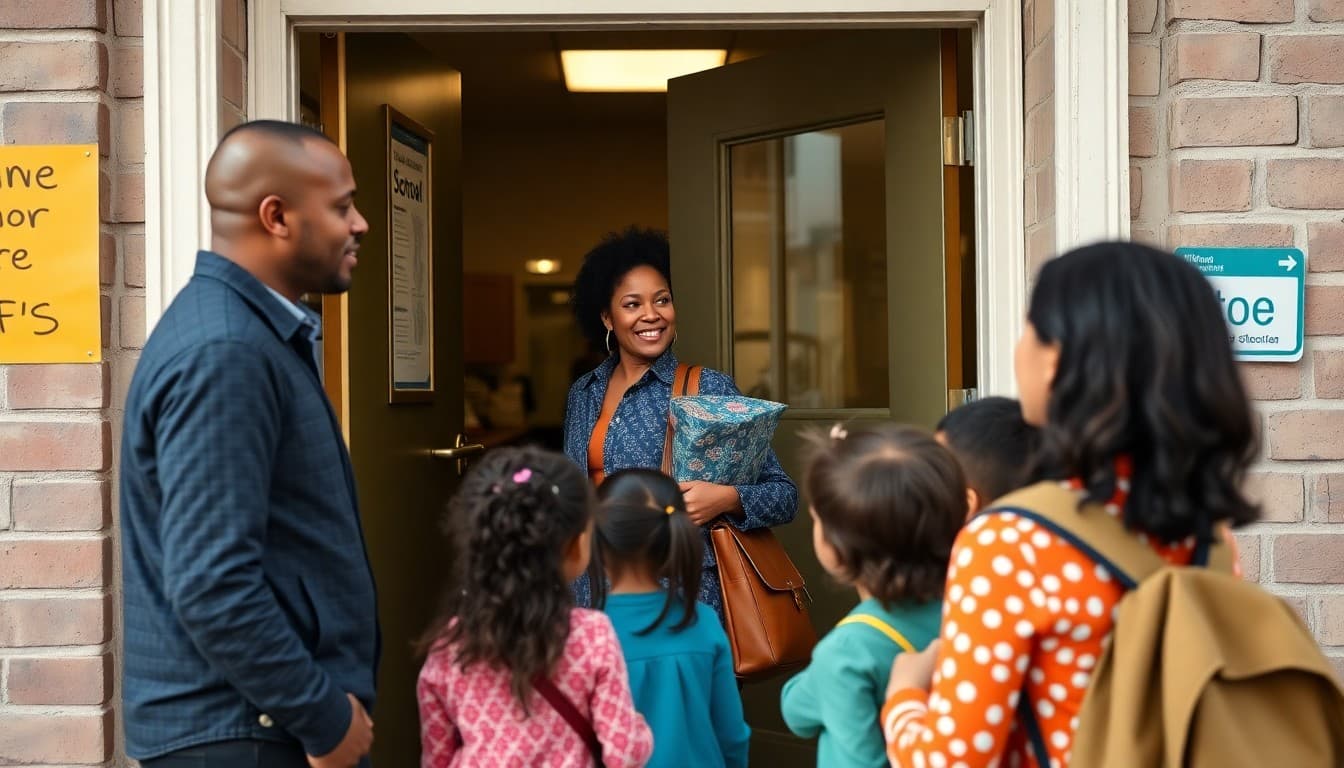
New York Elementary School Parent Communication Guide
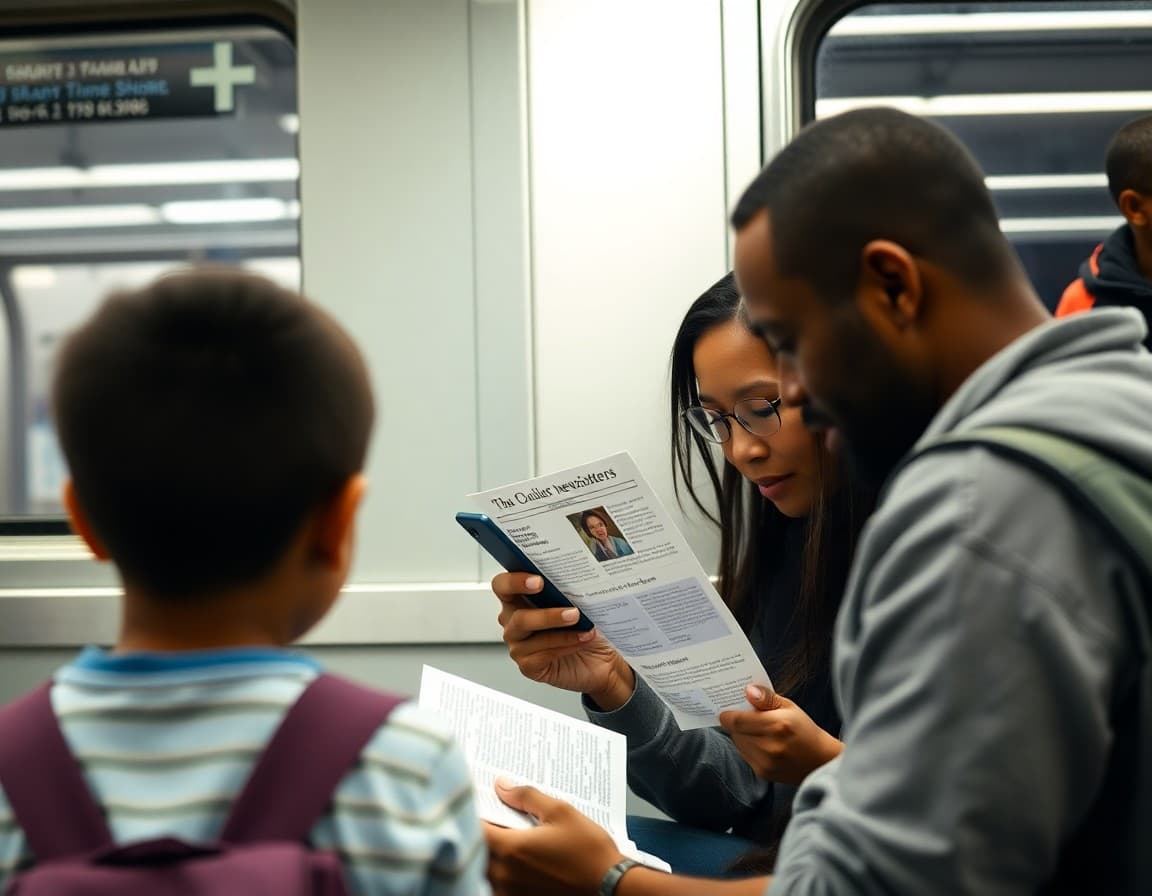
New York is home to the largest school district in the United States and some of the most rural school communities in the Northeast. Effective parent communication for New York elementary teachers means navigating that range, whether you are reaching 30 families in a small Adirondack village or hundreds of families who speak dozens of languages in a single Brooklyn school. This guide focuses on what works across that spectrum.
Map the Communication Landscape in Your School
Start with a simple reality check: who are your families, and how do they actually receive information? In Manhattan or Queens, families may manage three different school communication apps already and still miss things. In rural Delaware County or the Finger Lakes, parents may rely on a weekly paper notice that comes home in a backpack. Before you build your communication system for the year, survey families in their home language about how they prefer to be reached and what they actually read.
Address NYS Assessment Windows Clearly
Grades 3 through 5 students in New York take ELA and Math assessments each spring, typically in April and May. Families who receive advance notice about the testing calendar, what their child should eat and bring, and how attendance during testing affects makeup scheduling are far better prepared than those who find out a week before. A newsletter in March that walks through the assessment calendar, removes the mystery about what is being tested, and sets attendance expectations prevents most of the questions that flood school offices in testing season.
Navigate New York City's Unique Communication Context
NYC teachers operate within a large bureaucracy that has its own parent communication platforms, but that does not replace the need for direct classroom-level communication. Families in a single NYC school may be managing DOE emails, robocalls, text alerts, and teacher-specific newsletters all at once. The most effective NYC elementary teachers cut through that noise by being the most consistent and most personal voice in the mix. Short, specific, weekly updates from you personally outperform system-wide blast emails from the district.
A Template Newsletter Section for NY Families
Here is a template that works across New York's diverse school communities:
"Hello [CLASS] families. Here is what is happening this week: [2-3 KEY EVENTS OR REMINDERS]. In class, we are working on [ACADEMIC FOCUS]. One thing to try at home: [SPECIFIC ACTIVITY]. Testing reminder: [IF APPLICABLE]. How to reach me: [CONTACT INFO]. Thank you for your partnership this week."
Add a Spanish or other language version below the English if your school has significant numbers of families who speak another primary language. Even a partial translation improves engagement from families who might otherwise skim past English-only content.
Handle Religious and Cultural Holiday Observances
New York has one of the most diverse religious and cultural populations of any state in the US. Jewish High Holidays, Eid, Diwali, Lunar New Year, and many other observances affect student attendance in ways that teachers in other states rarely encounter. Acknowledging these observances in your newsletter calendar, and noting that absences for religious observances are always excused under New York law, signals to diverse families that your classroom is a welcoming place. It also prevents confusion when a student is absent without prior notice.
Support Multilingual Communication at Scale
In New York City, the DOE provides translation services, but individual teachers cannot always wait for official translations of every classroom update. Learning to produce bilingual newsletters, using reliable translation tools for Spanish or a second common language in your class, and partnering with bilingual family liaisons or parent volunteers are practical strategies. Even translating just the headline, key dates, and the call-to-action section of your newsletter increases engagement from non-English-dominant families significantly.
Communicate What School Choice Deadlines Mean
New York City and some other NY districts operate school choice systems where families must submit applications for middle school or specialized programs during the elementary years. Families who are not native English speakers, or who are new to the city, often miss these deadlines because they did not understand what was required or when. Your newsletter is a practical place to briefly note upcoming choice deadlines and direct families to where they can learn more, even if it is not strictly a classroom topic.
Build Predictability Into Your Communication Rhythm
In a state as noisy and busy as New York, the elementary teachers who build the most engaged parent communities are the ones who are predictable. Families who expect a newsletter every Monday morning start to read it every Monday morning. That habit is worth more than any design improvement or platform upgrade you could make. Daystage helps New York teachers build that predictability by making the production of a professional-looking newsletter fast enough to happen every week without burning out.
Get one newsletter idea every week.
Free. For teachers. No spam.
Frequently asked questions
What are the best ways to communicate with parents at New York elementary schools?
New York elementary school parent communication varies enormously between New York City and upstate or rural districts. In NYC, families expect app-based notifications and email. In rural areas like the Southern Tier or North Country, text messaging and printed notices remain important. Across the state, the most effective communication is brief, consistent, and available in the home language of the family. Translation is not optional in many NYC districts.
What state-specific events or topics should New York elementary newsletters cover?
New York elementary newsletters should cover NYS ELA and Math assessment windows for grades 3-5, NYC-specific topics like school choice deadlines in applicable districts, holiday observance policies for the many religious and cultural communities served, and any Department of Education policy updates from Albany that affect family decisions. Schools in high-poverty areas should address food program information, attendance incentive programs, and community resource availability.
How do New York elementary schools handle multilingual parent communication?
New York City public schools serve families who speak over 150 languages, and the NYC Department of Education has extensive translation and interpretation obligations under state and local law. Outside NYC, districts in areas like Long Island, the Hudson Valley, and Buffalo also serve large multilingual populations. New York State requires Translated Written Notice in the home language for key documents. Elementary teachers should treat translation not as an extra step but as a core part of the communication process.
What communication tools work best for reaching New York elementary families?
In New York City, the DOE has its own platforms including NYC Schools Account, but teachers often supplement with class-level newsletters via email or parent communication apps. Upstate, districts commonly use automated phone systems, email, and teacher-built newsletters. Across the state, consistency and simplicity matter more than the specific platform. Families who receive information on a predictable schedule are more engaged regardless of the delivery method.
What tool do New York elementary school teachers use to send professional newsletters?
Daystage is used by elementary teachers in New York to send polished newsletters without needing graphic design skills or district IT help. Teachers can create class-level newsletters with photos, events, and curriculum updates, and send them directly to families. It works well as a supplement to district platforms when teachers want more control over their classroom communication.

Adi Ackerman
Author
Adi Ackerman is a former classroom teacher and curriculum writer with 8 years in K-8 schools. She writes about school communication, parent engagement, and what actually works in real classrooms.
More for Elementary
Ready to send your first newsletter?
3 newsletters free. No credit card. First one ready in under 5 minutes.
Get started free