
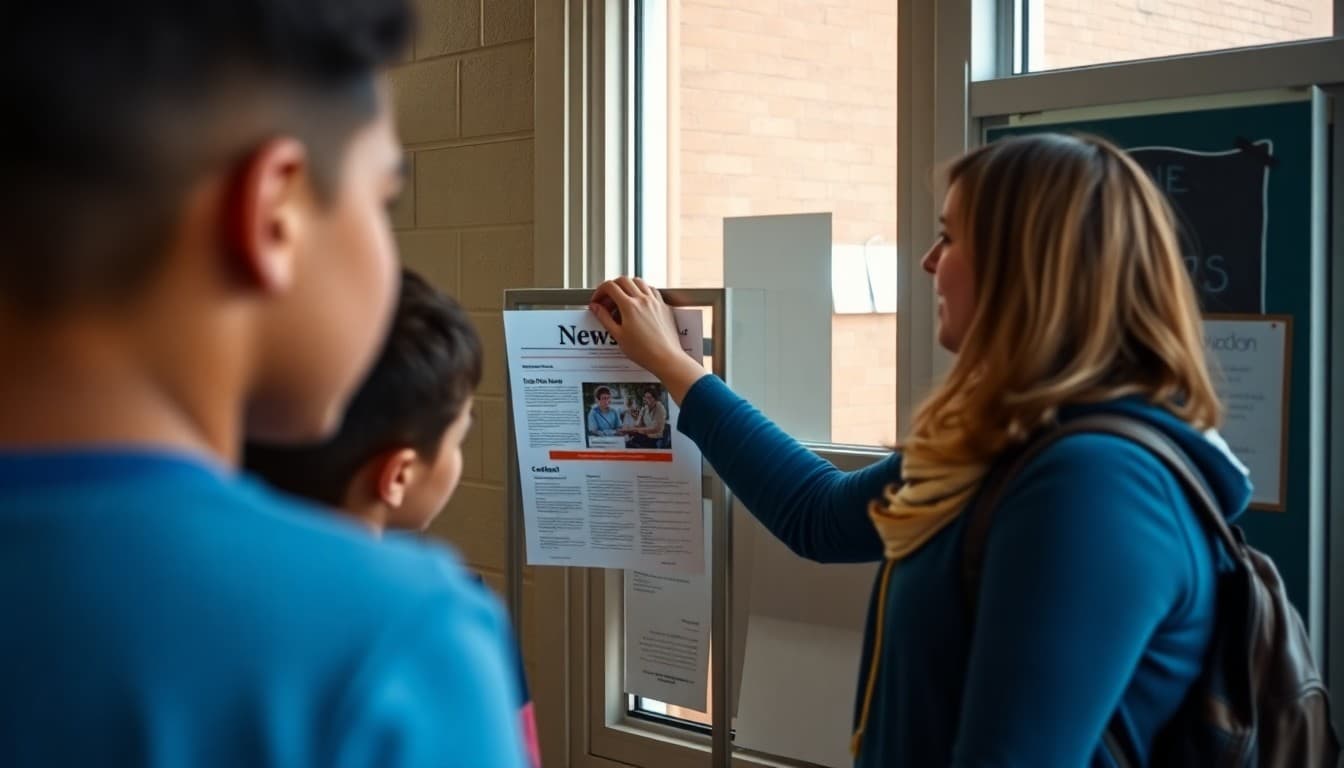
North Dakota Elementary School Parent Communication Guide
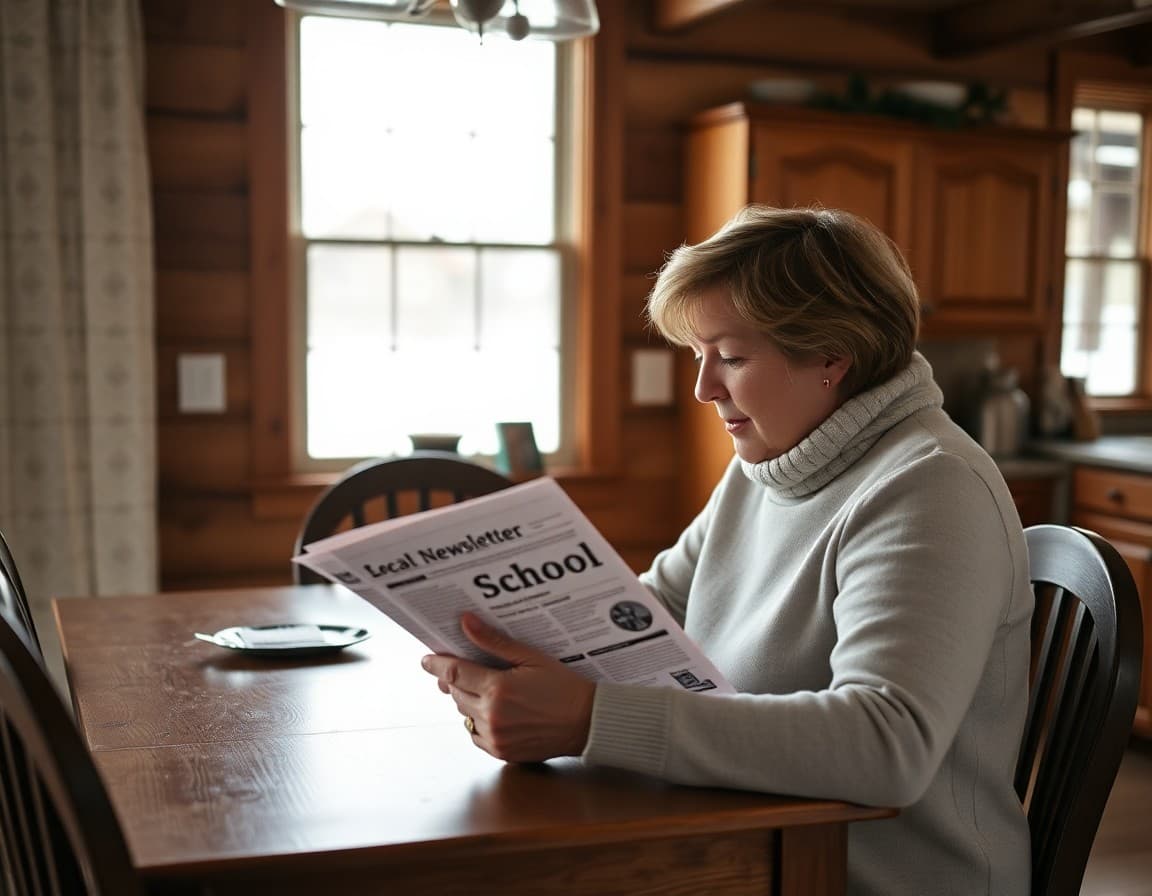
North Dakota elementary schools often have something many urban schools work hard to build: genuine community. Parents know teachers. Teachers know families. The school is often the center of the town's social life. But strong relationships do not replace clear, consistent communication about what is happening in the classroom, what is coming up on the calendar, and what families can do to support their child at home. This guide covers how to build on that community foundation with communication that actually works.
Build On the Relationships Already in Place
In a small North Dakota elementary school, you may already know every family personally. That is a significant advantage. Use your newsletter to extend those conversations between conferences and school events, not just to deliver information. A brief personal note about something the class accomplished this week, or a shout-out to families who volunteered, makes your newsletter feel like a letter from someone they know rather than a form document. That tone keeps readership high even when school life gets routine in February.
Address Cold Weather and Blizzard Protocols Early
North Dakota winters are serious, and families need to know exactly how the school communicates cold-weather cancellations, late starts, and blizzard closures before the first October snowstorm. Your beginning-of-year newsletter should spell out: which notification system the school uses, what temperature or wind chill triggers a closure, what happens if a storm develops during the school day, and how families should plan for early dismissal. Removing uncertainty about cold-weather communication prevents panic and missed pickups when temperatures drop below minus 20.
Respect the Agriculture Calendar
Many North Dakota elementary families are connected to farming, whether as farm families themselves, as employees in the agricultural industry, or as part of rural communities shaped by the harvest cycle. Late summer registration, fall harvest season, and spring planting periods can affect family availability for conferences, volunteers, and school events. Acknowledging the agriculture calendar in your communication, and being flexible about scheduling around it when possible, signals that you understand and respect the lives your families actually live.
A Template Newsletter Section for ND Families
Here is a simple, warm template that fits North Dakota's community-oriented school culture:
"Hello [CLASS] families. This week we are working on [ACADEMIC TOPIC]. A quick look at upcoming dates: [2-3 EVENTS]. One thing to try at home this week: [SPECIFIC ACTIVITY]. Weather reminder: [IF RELEVANT]. The best way to reach me is [CONTACT METHOD]. It is always good to hear from you."
That last line matters more than it might seem. In a state where the teacher-family relationship is personal, an open invitation to reach out reinforces the communication culture you are building.
Cover ND State Assessment Windows
North Dakota's state assessment program tests students in reading and math in grades 3 through 8. Elementary families benefit from advance notice about the spring testing window, what their child will experience, and how to support test preparation at home. Framing the assessment as one measure among many, and explaining how results will be shared and what they are used for, reduces family anxiety and prevents the misconception that a single test score defines a child's ability.
Acknowledge Tribal Community Contexts
North Dakota is home to several federally recognized tribes, including the Standing Rock Sioux and the Three Affiliated Tribes of Fort Berthold. Schools serving families from these communities benefit from communication that acknowledges tribal cultural practices, important ceremonial calendar dates, and the availability of tribal education resources. Working with tribal family liaisons and being aware of tribal community events that may affect student attendance helps build the trust these families need to feel genuinely welcomed in the school community.
Keep Communication Personal and Specific
One of the risks of using a newsletter template is that it can start to feel generic. In a close-knit North Dakota community, families notice when the communication feels cut-and-pasted. Include specific details: the name of the book the class finished this week, the science experiment that made everyone laugh, the student who gave a great answer during discussion (with permission). Specificity signals that you are paying attention to their actual child, not just managing a class list.
Send Consistently Through the Long Winter
The stretch from January through March can be the longest, quietest part of the North Dakota school year. Family engagement often dips when the weather is brutal and school life feels routine. This is exactly when consistent communication pays off. A newsletter that arrives every week, even during the dull middle of the school year, keeps families connected to what their child is learning and signals that the energy in your classroom has not stalled. Daystage makes that consistency achievable by keeping the production time short enough that it happens even on the busiest weeks.
Get one newsletter idea every week.
Free. For teachers. No spam.
Frequently asked questions
What are the best ways to communicate with parents at North Dakota elementary schools?
North Dakota elementary schools tend to serve tight-knit communities where personal relationships between teachers and families are already strong. The most effective communication builds on that trust with regular, predictable updates through email and text for families with good connectivity, and printed notices for those in rural areas where internet access is less reliable. Consistency matters more than platform sophistication in most ND communities.
What state-specific events or topics should North Dakota elementary newsletters cover?
North Dakota elementary newsletters should cover ND State Assessment windows in the spring, blizzard and cold-weather closure protocols, agriculture and harvest season scheduling considerations for farming families, and tribal school communication for communities near Standing Rock or Fort Berthold. Many ND elementary schools also have close connections to local community events like county fairs and 4-H programs that are worth acknowledging in school communications.
How do North Dakota elementary schools handle multilingual parent communication?
North Dakota has a smaller multilingual population than many states, but communities on tribal lands, particularly those associated with the Three Affiliated Tribes and Standing Rock Sioux, may prefer or benefit from communication that acknowledges their cultural context. Some ND schools near agricultural areas have Spanish-speaking families from migrant or seasonal worker communities. Identifying the specific language needs of your school community is the first step.
What communication tools work best for reaching North Dakota elementary families?
In Fargo, Bismarck, and Grand Forks, digital communication including email and app notifications reaches most families effectively. In rural areas across the state, cell service and broadband access can be unreliable, making printed newsletters and automated phone calls important alternatives. Many ND elementary families still value the personal phone call from a teacher, and maintaining that as part of your communication toolkit matters in a state where community relationships are central.
What tool do North Dakota elementary school teachers use to send professional newsletters?
Daystage is used by elementary teachers in North Dakota to build and send polished school newsletters quickly without needing design experience. Teachers can create weekly or biweekly updates with event reminders, classroom photos, and curriculum notes, and send them directly to family email addresses or share as a link via text. It is designed for teachers who want professional results without extra time investment.

Adi Ackerman
Author
Adi Ackerman is a former classroom teacher and curriculum writer with 8 years in K-8 schools. She writes about school communication, parent engagement, and what actually works in real classrooms.
More for Elementary
Ready to send your first newsletter?
3 newsletters free. No credit card. First one ready in under 5 minutes.
Get started free