
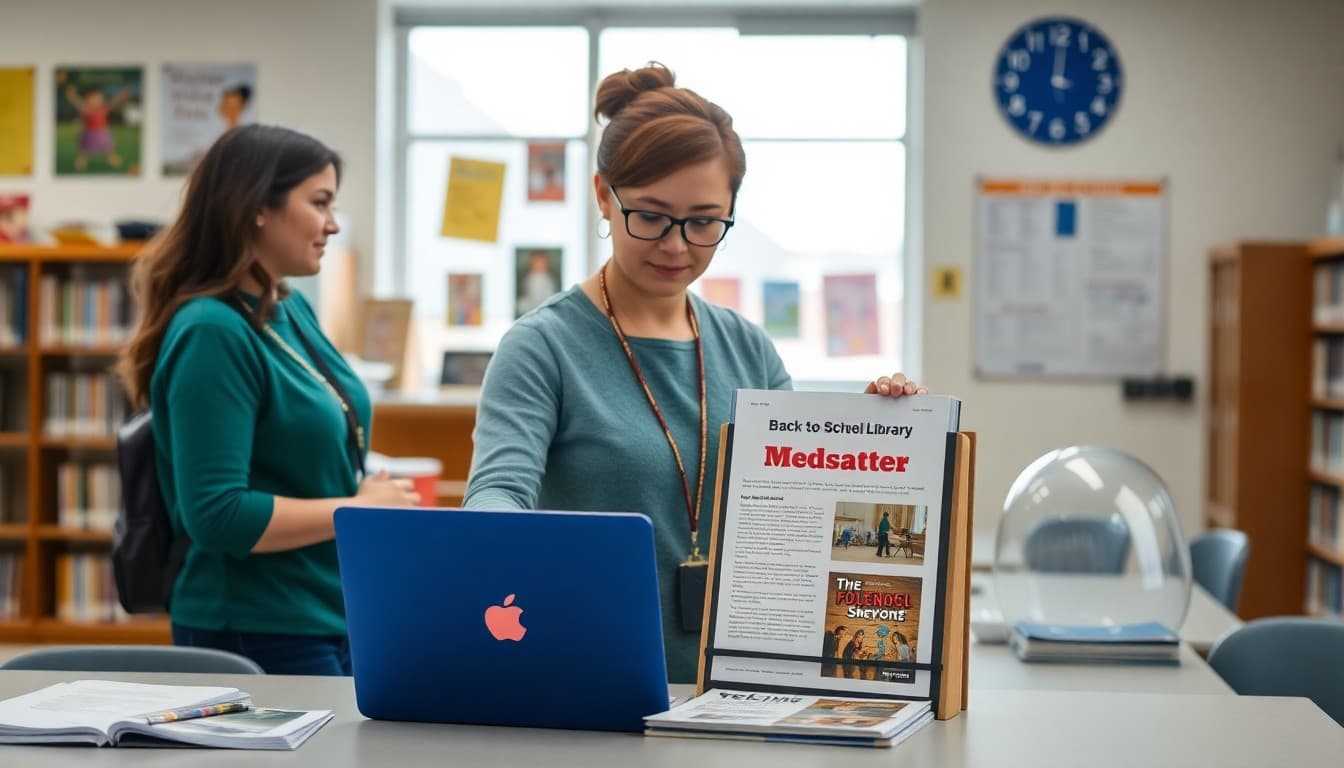
School Librarian Back to School Newsletter: Communication Guide
The back to school library newsletter sets the tone for the entire school year. Families who receive a warm, specific, exciting introduction to the school library in September arrive at open houses and curriculum nights already familiar with the library program. Teachers who receive a clear description of available resources and library class curriculum in September integrate the library into their planning earlier and more intentionally. The first newsletter is the most important one you will send all year. Here is how to make it count.
Lead with Excitement, Not Procedures
The most common mistake in back to school library newsletters is leading with checkout limits and overdue fines. Procedures are necessary, but they are not what makes families excited to visit the library. Lead with something that creates anticipation: a preview of the most exciting new books that arrived over the summer, the launch of a reading challenge that students can start this week, or a description of one new feature of the library that students have not seen yet. Save the procedures for the second half of the newsletter, after the reader is already engaged.
Introduce Yourself as a Person, Not Just a Job Title
If you are new to the school, or if families do not yet know you well, a brief personal introduction that reveals something real about you as a reader and as a professional builds connection faster than any credential list. "My favorite picture book is The Wolves in the Walls by Neil Gaiman, and I have read it aloud to more classes than I can count. My goal this year is to put a book in every student's hands that makes them feel the way I felt the first time I read it." That paragraph tells families and students who you are in a way that a job description never could.
Preview New Books Acquired Over the Summer
Summer is when many school libraries do their major purchasing. The back to school newsletter is the perfect place to spotlight the most exciting new additions. Choose three to five titles that represent a range of reading levels and interests, write a brief annotation for each, and note the call number or where they can be found in the library. "New this year: Lightlark by Alex Aster is already on hold and has a waitlist. Pick up a hold slip in the library." Creating perceived demand for new titles makes the library feel like a destination rather than a service.
A Template Back to School Library Newsletter Section
Here is a complete template for a back to school library newsletter:
"Welcome back to the library! My name is [NAME] and I am your school librarian. [1-2 SENTENCES PERSONAL INTRO]. This year, the library is open [HOURS AND DAYS]. Check out limits: [POLICY]. New this fall: [3-5 NEW BOOK HIGHLIGHTS]. Fall reading challenge: [NAME AND DESCRIPTION]. It kicks off [DATE]. How to participate: [BRIEF EXPLANATION]. For teachers: [RESOURCE OR CURRICULUM NOTE]. To schedule a library class or research session, contact me at [EMAIL]. I cannot wait to see what you are all reading this year."
Announce the Fall Reading Challenge Specifically
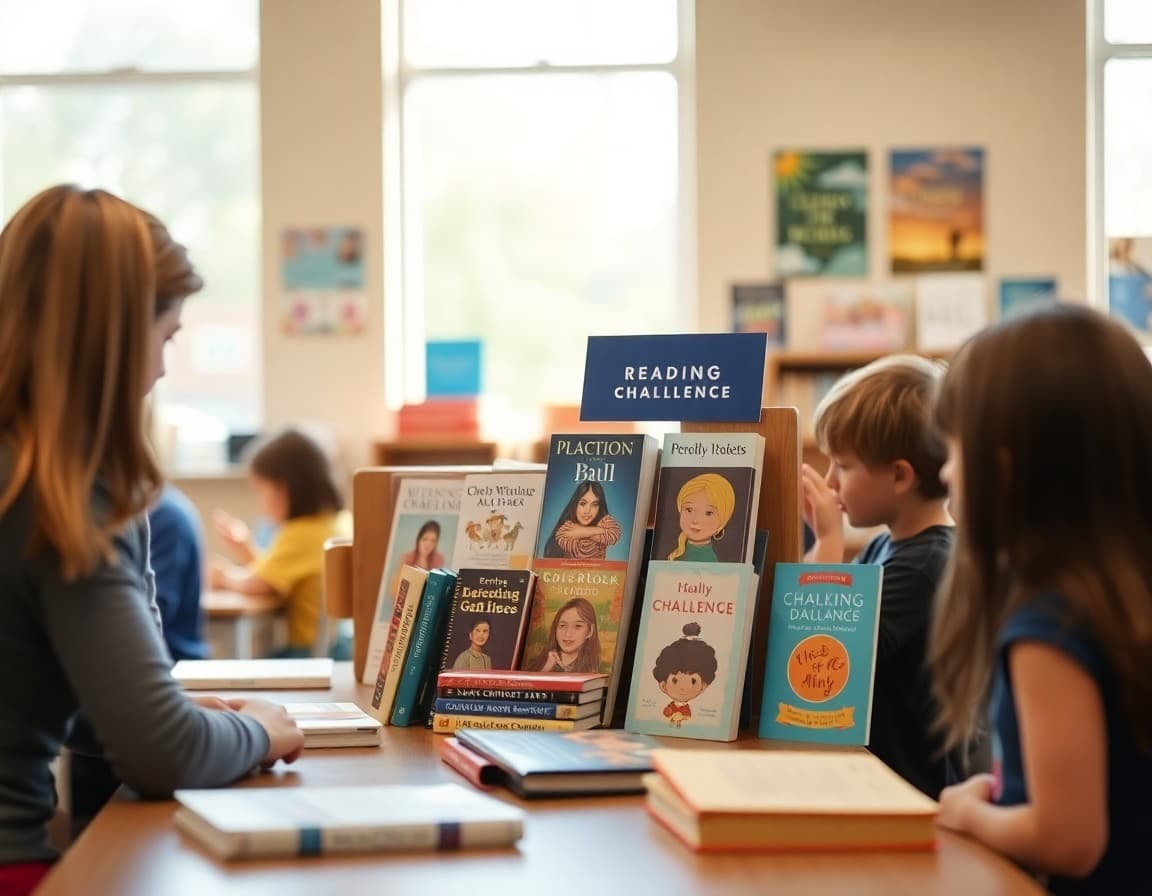
A fall reading challenge announced in the back to school newsletter creates momentum before the first library class. Students who read about the challenge before they visit the library arrive already curious and motivated. The challenge does not have to be elaborate: a reading log with a prize at 10 books, a genre bingo card, or a class-versus-class friendly competition is enough to generate engagement. The key is launching it in the newsletter so students and families have it before the first visit rather than finding out about it three weeks into the year.
Give Teachers a Specific Resource Preview
Teachers receive the back to school library newsletter at the same time families do, and they need different content. A brief teacher-specific section, either within the main newsletter or as a separate paragraph, that previews available research databases, notes the library's curriculum alignment schedule, and invites teachers to schedule class visits, gives them actionable information immediately. Teachers who schedule library collaboration in September do it consistently all year. Teachers who do not know the schedule or resources available often skip library collaboration entirely until they are reminded.
Include a Grade-Level Reading List
A brief summer reading list, or a fall-kick reading list by grade, gives families who want to support reading at home a specific, curated starting point. Five titles per grade level, chosen for broad appeal and library availability, is enough. Families who receive this list visit the public library or the school library that week at a much higher rate than those who receive general encouragement to read. Pairing the list with a note about how to access the school's digital library resources makes the list even more immediately actionable.
Send It in Week One with Daystage
The back to school newsletter needs to go out in the first week of school, when families are actively reading everything that comes from the school. Sending it in week three, when the initial communication surge has passed, significantly reduces its impact. Daystage makes it practical to have the newsletter built and ready before school starts so it goes out on day one or day two of the school year, at the moment of maximum family attention and enthusiasm for the new year ahead.
Get one newsletter idea every week.
Free. For teachers. No spam.
Frequently asked questions
What should a school librarian's back to school newsletter include?
A back to school library newsletter should introduce the librarian (especially if new to the school), describe the library hours and checkout procedures, preview any new books or resources acquired over the summer, announce the kickoff of any fall reading programs or challenges, provide a grade-level reading list for families who want a head start, and set the tone for the year's library culture. The goal is to make families and teachers excited about what the library has to offer before they have even visited.
When should a school librarian send the back to school newsletter?
The most effective timing for a back to school library newsletter is during the first week of school, when families are actively receiving and reading school communications. Sending it before the first library visit creates anticipation. If possible, coordinate with classroom teachers so the library newsletter arrives in the same week as their class newsletter, reinforcing the school's communication launch.
How should a new school librarian introduce themselves in a newsletter?
A new librarian's introduction should include a few personal details that build connection: favorite book or genre, one thing they love about working with students in a library, and their vision for what the library can be this year. It should not be a resume. Families and students respond to personality and warmth. One paragraph is enough. The rest of the newsletter demonstrates the librarian's competence and enthusiasm through the program content.
What reading challenge or program should a librarian announce in the back to school newsletter?
The back to school newsletter is the ideal place to launch a fall reading challenge. A simple bingo card, a genre exploration challenge, a class competition, or a personal reading goal program gives students something to work toward from the very first week. Announcing it in the newsletter creates early buy-in before the first library class visit. Include the challenge name, the time period, how students participate, and what recognition looks like at the end.
What tool do school librarians use to send back to school newsletters?
Daystage is used by school librarians to create and send polished back to school newsletters quickly without design experience. Librarians can include book recommendations, program announcements, library hours, and a personal introduction in one clean, professional newsletter sent directly to teacher and family emails. For librarians launching a new school year, it makes a strong first impression without requiring hours of design work.

Adi Ackerman
Author
Adi Ackerman is a former classroom teacher and curriculum writer with 8 years in K-8 schools. She writes about school communication, parent engagement, and what actually works in real classrooms.
More for Elementary
Ready to send your first newsletter?
3 newsletters free. No credit card. First one ready in under 5 minutes.
Get started free