
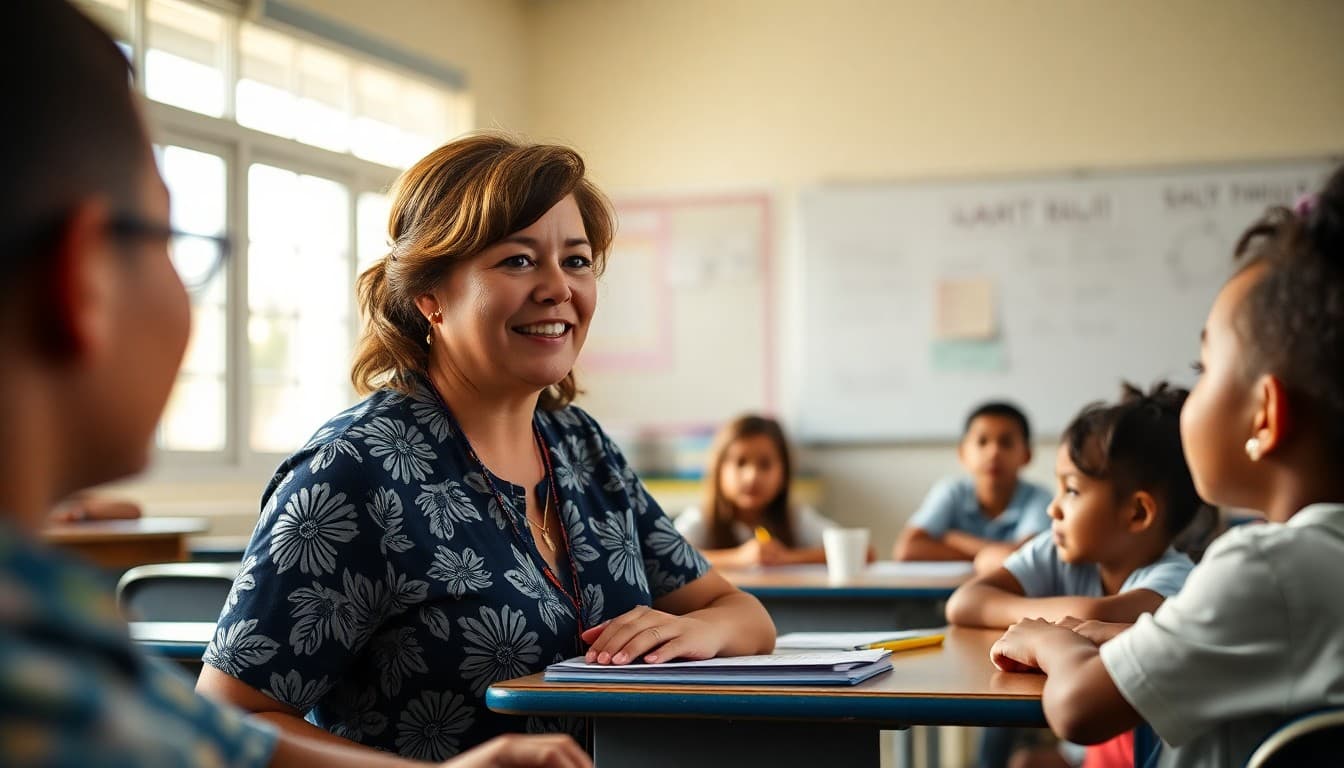
Hawaii Elementary School Parent Communication Guide
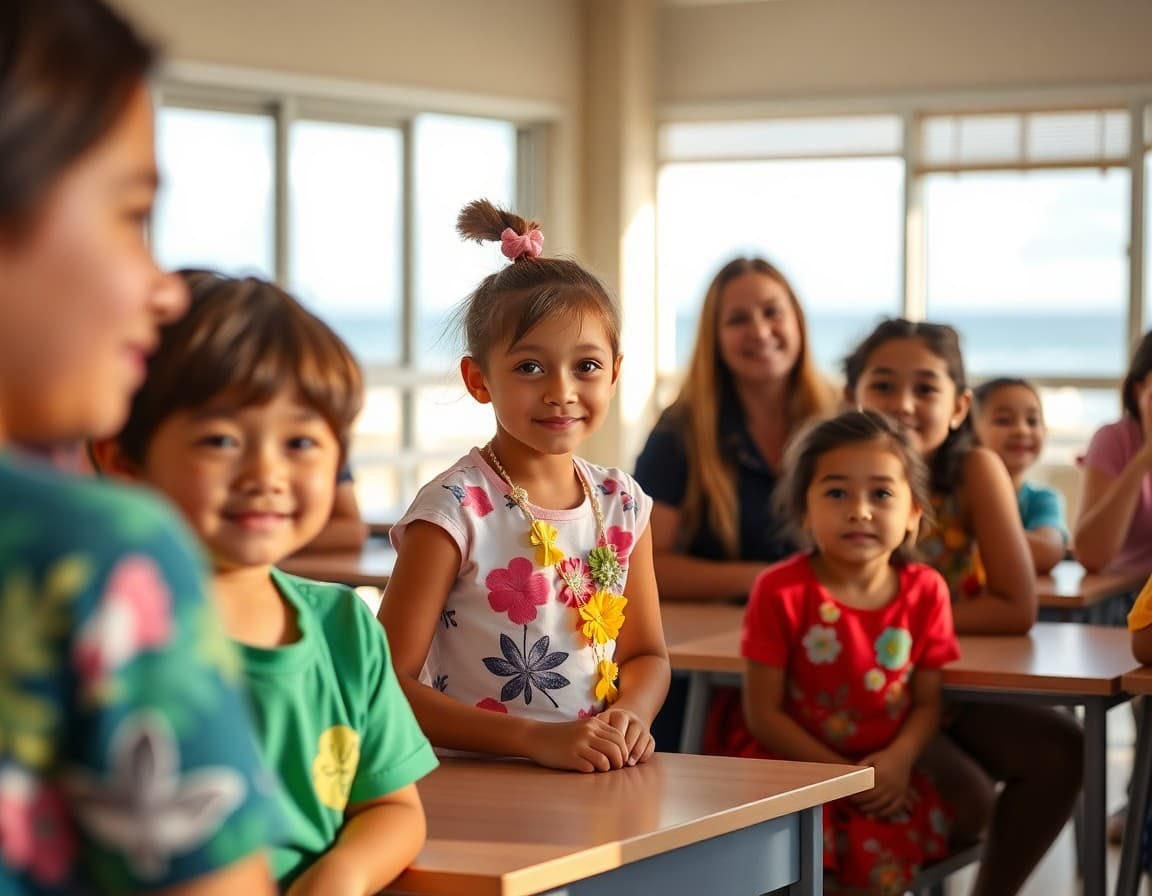
Hawaii is unique in American education: a single statewide school district serving a deeply multicultural population spread across multiple islands, each with its own community identity. Parent communication in Hawaii must be culturally responsive to Native Hawaiian values, practically accessible to the state's diverse multilingual families, and specific to each island's unique environmental and community context.
Center the Concept of Ohana
In Native Hawaiian culture, ohana describes an extended family concept that encompasses the broader community. School communication that acknowledges the role of extended family members, grandparents, aunties and uncles, in children's lives builds the trust that makes engagement possible. Newsletters that address "families and caregivers" rather than just parents, and that invite the full family circle to events, reflect Hawaiian cultural values without requiring teachers to have deep cultural expertise.
Address Natural Hazard Protocols
Hawaii faces a unique combination of natural hazards: tsunamis from Pacific Ocean earthquakes, hurricanes from the Pacific storm season, volcanic activity on the Big Island that produces vog (volcanic smog), and the ever-present risk of flash flooding. Elementary families need annual communication about the school's protocols for each relevant hazard: which siren tones indicate a tsunami evacuation, how vog advisories affect outdoor activities for Big Island schools, and what the hurricane season communication protocol is. These are not hypotheticals. They affect school decisions regularly.
Support Hawaii's Multilingual Families
Hawaii's language diversity is exceptional. On Oahu, schools in certain communities may need Ilocano, Tagalog, Korean, Japanese, and Spanish translations. On the Big Island, communities with significant Micronesian populations need Marshallese or Chuukese. Schools should identify the primary home languages in their specific community and develop a practical translation strategy for the most critical communications. Multilingual staff members, community liaisons, and translation apps can all contribute to a workable approach.
A Template That Reflects Hawaii's Community Values
Here is a template for Hawaii elementary newsletters:
"Aloha [CLASS] families and ohana. Here is what is happening this week: [2-3 UPDATES]. In class, we are working on [ACADEMIC FOCUS]. Something to try at home with your family: [ONE ACTIVITY]. Upcoming dates: [DATES]. [IF BIG ISLAND: Current vog conditions are [LEVEL]. Outdoor recess will be [MODIFIED/CANCELLED] if visibility is reduced.] Mahalo for your continued support. [CONTACT INFO]."
The use of Aloha and Mahalo in the template is appropriate for Hawaii and reflects the community's cultural identity without appropriation.
Communicate About Hawaiian Cultural Observances
Hawaii's school calendar includes culturally significant observances that elementary newsletters should acknowledge: King Kamehameha Day on June 11, which honors Hawaii's first monarch and is a state holiday, and Aloha Week (also known as Aloha Festivals) in September, which celebrates Hawaiian culture statewide. For schools with Hawaiian immersion or culture programs, communication about Hawaiian language and cultural learning is part of the academic newsletter, not separate from it.
Connect Learning to the Natural Environment
Hawaii's natural environment is one of the most extraordinary educational resources available. Elementary newsletters that connect science units to local ecosystems, coral reefs, volcanic geology, native species, and Pacific Ocean systems make classroom learning feel immediate and relevant. A brief "Hawaii Connection" section in each science newsletter, linking the current unit to something students can observe in Hawaii's environment, extends classroom learning in a way that no textbook can replicate.
Acknowledge Inter-Island Families and Military Families
Hawaii's military presence on Oahu at Joint Base Pearl Harbor-Hickam, Schofield Barracks, and Kaneohe Bay Marine Corps Base creates a significant military family population in Honolulu-area schools. These families move frequently and benefit from especially organized, accessible communication. Inter-island families who have moved from another island to Oahu or vice versa also bring different community context that thoughtful communication acknowledges.
Build Consistent Communication Across the School Year
Hawaii's school year runs from late July through late May, one of the earliest start and end dates in the country. Elementary teachers who build a consistent communication rhythm from the first week of school and maintain it through the full calendar build families who feel informed and connected. Daystage makes this habit sustainable by keeping newsletter creation fast, which matters in Hawaii's schools where teachers often take on multiple roles in smaller school communities.
Get one newsletter idea every week.
Free. For teachers. No spam.
Frequently asked questions
What makes parent communication in Hawaii elementary schools unique?
Hawaii has a single statewide school district, which creates both consistency and unique challenges. The state serves a highly diverse population with large Native Hawaiian, Filipino, Japanese, and Pacific Islander communities across the different islands. Each island community has its own culture and family engagement patterns. Communication that is culturally responsive to Hawaii's multicultural community, acknowledges the importance of extended family and community in Native Hawaiian culture, and respects the various cultural traditions represented in classrooms is essential.
How do Hawaii elementary schools communicate with Native Hawaiian families?
Native Hawaiian families place strong emphasis on the concept of ohana (family, which extends beyond the nuclear family to the extended community), on place-based learning connected to the land and ocean, and on cultural practices and traditions. Elementary schools that acknowledge and honor these values in their communication, rather than treating them as peripheral to academic instruction, build the trust that makes all other communication more effective. Schools with Hawaiian immersion or culture programs should communicate specifically about these programs.
What languages do Hawaii elementary schools need to communicate in?
Hawaii's most common non-English home languages are Ilocano, Filipino/Tagalog, Japanese, Korean, Chinese (Cantonese and Mandarin), Spanish, Marshallese, and Chuukese, with specific languages varying significantly by island and community. Honolulu schools have a different language mix than schools in Kona, Hilo, or Maui. Schools should survey families at enrollment to identify the primary languages spoken at home and develop a translation strategy for key communications.
What state-specific topics should Hawaii elementary newsletters address?
Hawaii elementary newsletters should cover the Smarter Balanced assessment schedule, tsunami and hurricane evacuation protocols (Hawaii is in both tsunami and hurricane risk zones), vog (volcanic smog from Kilauea on the Big Island) advisories for outdoor activities, and any updates related to the Department of Education's statewide initiatives. Schools should also communicate about cultural events like the King Kamehameha Day holiday in June and Aloha Week in September.
What tool do Hawaii elementary teachers use to send newsletters to families?
Daystage works well for Hawaii elementary schools, where the single statewide district creates consistent communication expectations but each school has its own community culture. Teachers can create class and grade-level newsletters, include photos and cultural acknowledgments, and reach families across any island. The platform's simplicity makes it practical even in smaller island community schools where the teacher does everything themselves.

Adi Ackerman
Author
Adi Ackerman is a former classroom teacher and curriculum writer with 8 years in K-8 schools. She writes about school communication, parent engagement, and what actually works in real classrooms.
More for Elementary
Ready to send your first newsletter?
3 newsletters free. No credit card. First one ready in under 5 minutes.
Get started free