
Georgia Elementary School Parent Communication Guide
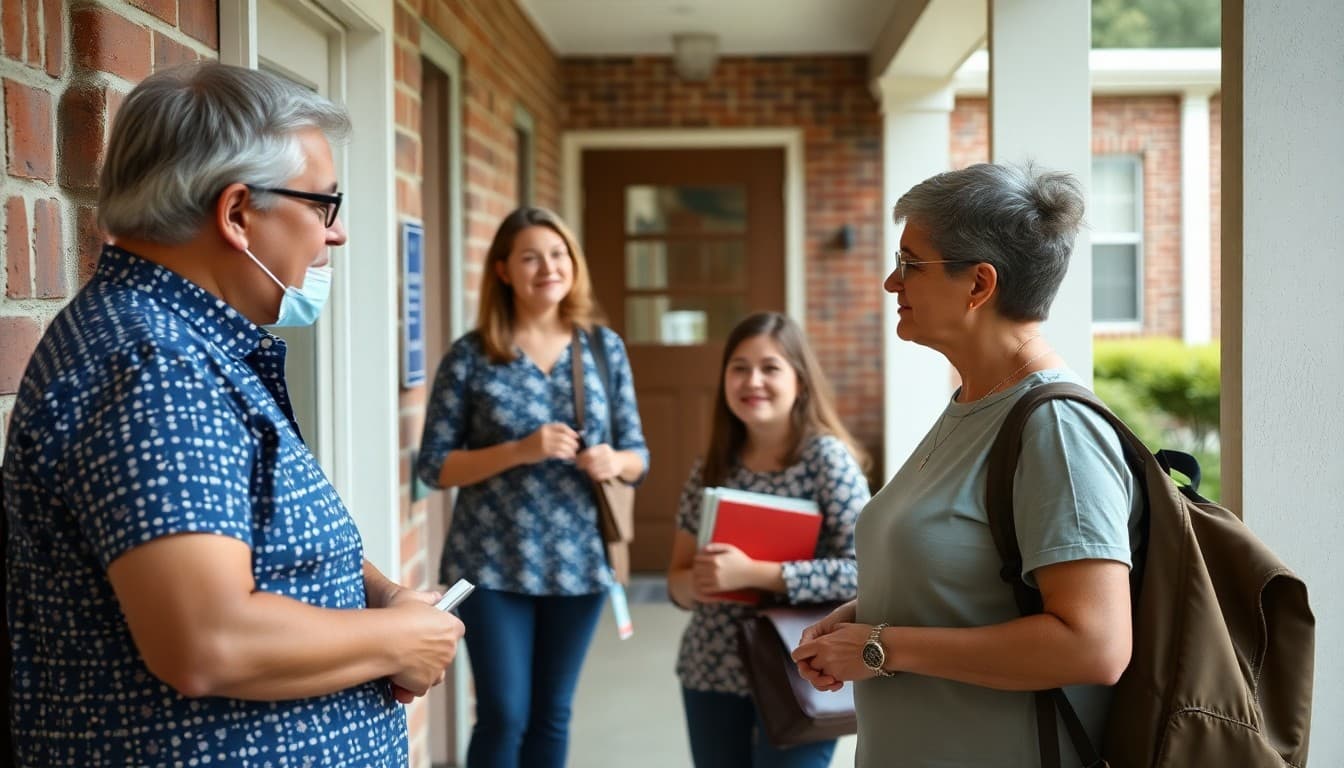
Georgia is one of the fastest-growing states in the country, and its elementary schools reflect that growth: booming suburban districts around Atlanta, diverse urban schools in Fulton and DeKalb counties, and rural communities across south Georgia that face very different challenges. Effective parent communication in Georgia acknowledges this diversity and builds habits that work across all of it.
Cover the Georgia Milestones Testing Window
The Georgia Milestones Assessment System (GMAS) is administered in spring to students in grades 3 through 8, with elementary students tested in grades 3, 4, and 5. Families benefit from knowing the specific testing dates, which subjects are tested at their child's grade level, and what the End-of-Grade tests look like. Georgia's Milestones results are used in determining promotion from grade to grade in some circumstances, making clear communication about scores and support resources especially important for third-grade families.
Address Severe Weather Preparedness
Georgia sees significant tornado activity, particularly in the northwest part of the state and during spring storm season. The Atlanta metro can also experience powerful thunderstorms with damaging winds and lightning. Elementary families should receive annual communication about the school's severe weather protocols: shelter-in-place procedures, how the school notifies families during a weather emergency, and whether students are held until weather clears before dismissal. Include this information in August or September before storm season intensifies.
Support Georgia's Rapidly Growing Multilingual Communities
Gwinnett County, north of Atlanta, is now one of the most ethnically diverse counties in the South. DeKalb, Cobb, and Hall counties also have large and growing multilingual populations. The most common non-English languages include Spanish, Korean, Hindi, Chinese (Mandarin), and Vietnamese. Schools serving significant numbers of non-English-speaking families should translate at minimum the beginning-of-year packet, testing communications, and emergency protocols. Google Translate and bilingual staff members can provide functional translations when professional translation services are not available.
A Template for Georgia Elementary Newsletters
Here is a practical template for Georgia elementary classrooms:
"Dear [CLASS] families. This week: [2-3 UPDATES]. In class, we are working on [ACADEMIC FOCUS]. Try this at home: [ONE ACTIVITY]. Important dates: [DATES]. [MARCH-MAY: Georgia Milestones testing for [GRADE] students is scheduled for [DATES]. Your child should arrive well-rested and have eaten breakfast.] Questions? [CONTACT INFO]."
The Milestones reminder is worth including in every March through May newsletter for tested grades. It normalizes the testing without creating excessive anxiety.
Engage Georgia's Church and Community Networks
Georgia has one of the highest church attendance rates in the country, and church communities often serve as informal communication networks for families with children in the same school. Elementary schools that build relationships with local churches, community centers, and neighborhood associations can amplify school communication significantly beyond what digital platforms alone achieve. A brief note in the school newsletter encouraging families to share information through their community networks extends reach without additional cost.
Communicate Around Metro Atlanta's Growth Pressures
Atlanta metro schools deal with some of the most significant growth pressures in American education: new subdivisions, redistricting, school boundary changes, and rapid demographic shifts that affect school culture and enrollment year over year. Elementary families who receive clear, proactive communication about any changes that might affect their child's school placement, transportation, or school community feel respected and are less likely to react negatively to unavoidable changes.
Build Pre-K to Kindergarten Transition Communication
Georgia's Pre-K program is one of the largest and most successful in the country, serving about 50,000 four-year-olds annually. Elementary schools that communicate proactively with incoming kindergarten families, starting in spring of the pre-K year, ease the transition and build family engagement from day one. A kindergarten preview newsletter sent in April or May to enrolled families is one of the highest-impact communication investments an elementary school can make.
Communicate Consistently Through a Long School Year
Georgia's school year typically begins in early August, one of the earliest start dates in the country. That means elementary teachers are communicating through summer heat, the back-to-school transition, fall sports and activities, winter holidays, spring testing season, and end-of-year events. Daystage makes consistent weekly communication sustainable across this full calendar, reducing the gap in family communication that often opens in the spring when end-of-year demands pile up.
Get one newsletter idea every week.
Free. For teachers. No spam.
Frequently asked questions
What are the most important elements of parent communication for Georgia elementary schools?
Georgia elementary schools serve one of the fastest-growing state populations in the country, with rapid growth in the Atlanta metro area and significant diversity in both urban and suburban communities. Effective communication must address both highly engaged suburban families with high expectations for frequent updates and urban Atlanta families who may have less reliable digital access. Georgia also has a strong church and community network that can amplify school communication when schools build relationships with those community anchors.
What state-specific topics should Georgia elementary newsletters address?
Georgia elementary newsletters should cover the Georgia Milestones Assessment System (GMAS) testing schedule in spring, tornado season preparedness (Georgia sees significant tornado activity), summer heat protocols for outdoor activities, and the impact of the Georgia Pre-K program on transition communication for incoming kindergartners. The Atlanta metro area's traffic challenges affect school commute and event attendance in ways worth acknowledging in school communications.
How do Georgia elementary schools handle communication with the Atlanta metro's diverse population?
Metro Atlanta is one of the most diverse regions in the South, with large Spanish-speaking, Korean, Indian, Chinese, and Vietnamese communities in counties like Gwinnett, DeKalb, and Cobb. Schools in these counties should provide key communications in Spanish at minimum, with additional translation for significant language communities. Gwinnett County Public Schools, the second-largest district in Georgia, has extensive multilingual communication programs worth referencing as a model.
How should rural Georgia elementary schools approach parent communication?
Georgia's rural communities, particularly in south Georgia and the coastal plain, face connectivity challenges similar to rural schools across the South. Phone calls and printed newsletters remain essential for many families. Schools should also recognize the agricultural seasons that shape rural Georgia families' lives: planting and harvest in spring and fall affect attendance and family availability for events. Communication that acknowledges and respects these realities builds trust.
What tool do Georgia elementary teachers use to send polished newsletters to families?
Daystage is used by Georgia elementary teachers in both Atlanta suburbs and rural communities to send consistent, professional newsletters to families. Teachers can send by class or grade, include photos and links, and reach families without requiring a separate app. For Georgia schools competing to retain families in a rapidly growing and mobile population, consistent communication quality matters.

Adi Ackerman
Author
Adi Ackerman is a former classroom teacher and curriculum writer with 8 years in K-8 schools. She writes about school communication, parent engagement, and what actually works in real classrooms.
More for Elementary
Ready to send your first newsletter?
3 newsletters free. No credit card. First one ready in under 5 minutes.
Get started free