

Florida Elementary School Parent Communication Guide
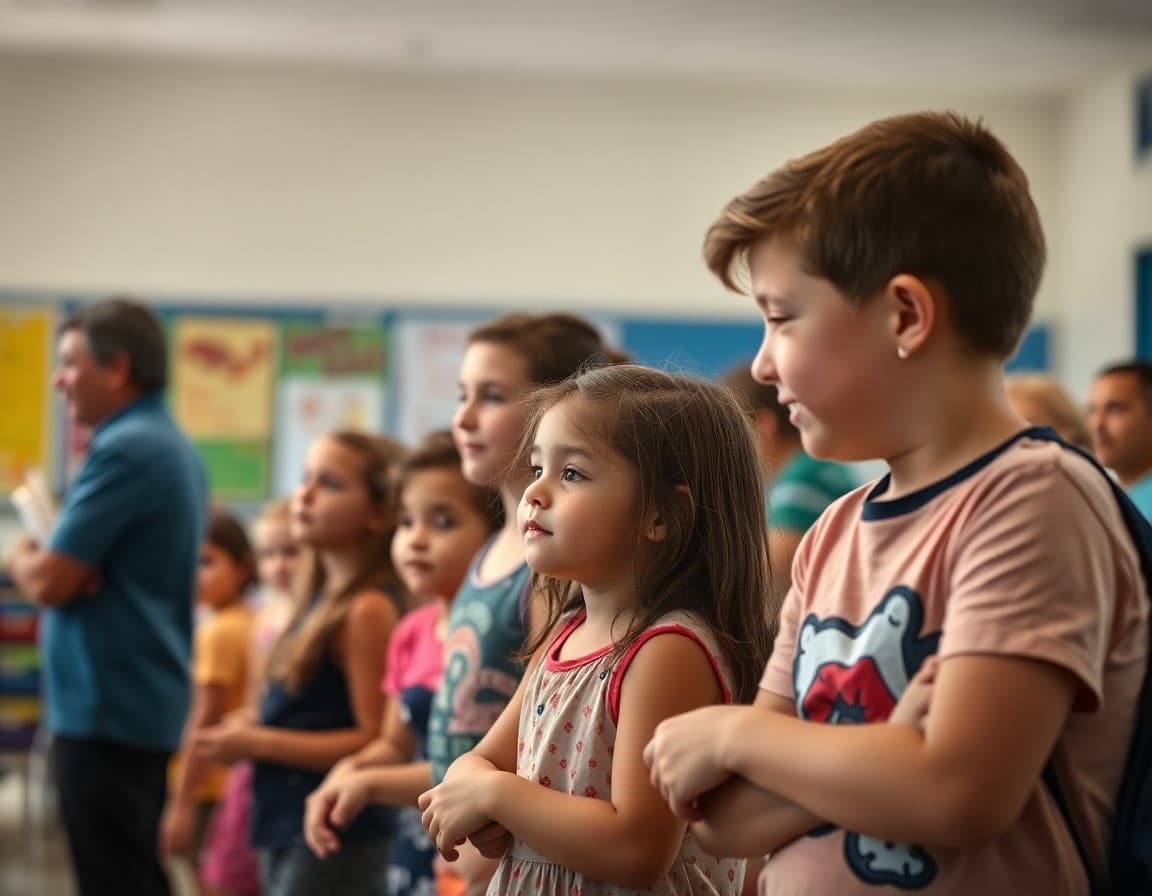
Florida elementary schools navigate one of the most complex parent communication environments in the country: strong parent rights legislation, a competitive school choice landscape, hurricane season communication demands, and one of the most diverse student populations in the nation. Schools that communicate clearly, consistently, and proactively thrive in this environment. Schools that do not lose families to alternatives.
Know Florida's Parent Rights Requirements
Florida's Parents' Bill of Rights in Education (HB 1557 and related legislation) gives parents explicit rights to access information about their child's education, review instructional materials, and be informed about classroom activities and curriculum content. Elementary teachers should communicate proactively about what students are studying, what books and materials are being used, and how parents can access additional information. Newsletters that include curriculum content summaries and links to instructional materials satisfy both the legal expectation and parent curiosity.
Hurricane Season Communication Is Non-Negotiable
Florida has more hurricane landfalls than any other state. Elementary families need annual communication about hurricane protocols before June 1 every year: how the school announces closures (which app, which radio station, which website), when closures are called (typically 24-48 hours before storm impact), whether the school serves as a public hurricane shelter, how student records are protected during a storm, and how school resumes after a major hurricane event. Schools that wait until a hurricane is approaching to communicate this information create unnecessary panic.
Address Summer Heat and Outdoor Safety
Florida's summer heat and humidity regularly produce heat index values above 105 degrees. Elementary families should know the school's heat protocols: what temperature or heat index triggers indoor recess, what hydration expectations exist for students, and how the school manages outdoor activities like PE and morning drop-off during extreme heat. For schools with fall sports programs, heat safety communication in August and September is especially important.
A Template for Florida Elementary Newsletters
Here is a template that addresses Florida-specific communication needs:
"Dear [CLASS] families. This week: [2-3 UPDATES]. In class, we are studying [ACADEMIC FOCUS], using [SPECIFIC MATERIALS OR BOOKS]. One thing to try at home: [ACTIVITY]. [IF JUNE-NOVEMBER: Hurricane season reminder: school closure announcements are posted at [WEBSITE] and announced on [RADIO STATION].] Upcoming dates: [DATES]. Questions or to review any classroom materials: [CONTACT INFO]."
The materials mention addresses Florida parent rights expectations directly and prevents the confusion that arises when families hear about curriculum content from their child's account rather than a clear school communication.
Communicate With Florida's Diverse Family Population
Florida is the third most populous state and has one of the most diverse student populations in the country. Spanish is the most common non-English home language, with large communities in Miami-Dade, Orange County, and along the I-4 corridor. Haitian Creole is significant in Broward and Palm Beach counties. Portuguese is common in certain communities. Schools with significant non-English-speaking family populations should provide key communications in the primary language spoken by their families.
Address Florida's Reading Initiative
Florida has made significant investments in K-3 reading instruction, including the Reading Excellence and Accountability, Development Initiative and Networking (READ) Act, which requires third graders to demonstrate reading proficiency for promotion. Elementary newsletters should communicate clearly about reading progress, how proficiency is assessed, and what support is available for students who are below grade level. This is one of the highest-stakes communication areas in Florida elementary education and families deserve clear, timely information.
Support Military Families
Florida has a massive military presence, with installations including MacDill Air Force Base in Tampa, Naval Station Mayport in Jacksonville, Eglin Air Force Base in the Panhandle, and numerous other bases. Elementary schools near military installations serve families who move frequently and experience deployments. Clear, organized communication is especially important for military families who arrive mid-year needing to quickly understand school systems and expectations.
Stay Consistent Through Florida's Long School Year
Florida's school year typically runs from mid-August through late May or early June, longer than most northern states. Elementary teachers who maintain a consistent communication rhythm through this extended calendar build families who feel consistently informed. Daystage makes it practical to send a weekly newsletter without investing significant time, keeping the habit alive even through the long, hot Florida spring when end-of-year fatigue sets in for everyone.
Get one newsletter idea every week.
Free. For teachers. No spam.
Frequently asked questions
What are the key requirements for parent communication in Florida elementary schools?
Florida has strong parent rights legislation, including the Parents' Bill of Rights in Education, which gives parents explicit rights to information about their child's education, materials used in class, and records. Elementary schools should communicate proactively about curriculum content, instructional materials, and any changes to the school program. Transparency in communication is not just good practice in Florida. It is a legal expectation.
What state-specific topics should Florida elementary newsletters cover?
Florida elementary newsletters should cover the FSA (Florida Standards Assessments) and FAST (Florida Assessment of Student Thinking) testing schedule in spring, hurricane season protocols from June through November, heat protocols for outdoor activities (Florida summers are intensely hot and humid), and any updates related to Florida's active school choice and voucher program landscape, which affects many families' enrollment decisions each year.
How should Florida elementary schools communicate hurricane preparedness?
Hurricane season runs June 1 through November 30, and Florida is the most hurricane-prone state in the country. Elementary families need an annual communication at the start of the school year covering the school's evacuation protocol, how early closures are announced, where emergency shelters are located, and whether the school serves as a hurricane shelter. Schools in coastal communities and those near flood zones have additional specific protocols that warrant their own communication section.
How do Florida's school choice options affect parent communication?
Florida has one of the largest private school choice programs in the country, including the Step Up For Students scholarship and the Family Empowerment Scholarship. Many families consider these options annually. Elementary schools that communicate clearly about their academic programs, culture, and outcomes are better positioned to retain students who might otherwise switch to choice options. Transparent, specific communication about what makes the school distinctive is a retention strategy in Florida's competitive enrollment environment.
What tool do Florida elementary teachers use to send newsletters to families?
Daystage is used by Florida elementary teachers to send polished class and school newsletters directly to families. With Florida's high parent engagement expectations and the competitive school choice environment, a professional, consistent newsletter builds family confidence and reduces enrollment attrition. Teachers can send by class or grade without any design experience required.

Adi Ackerman
Author
Adi Ackerman is a former classroom teacher and curriculum writer with 8 years in K-8 schools. She writes about school communication, parent engagement, and what actually works in real classrooms.
More for Elementary
Ready to send your first newsletter?
3 newsletters free. No credit card. First one ready in under 5 minutes.
Get started free