
Elementary Grandparents Day Newsletter: Celebrating Family
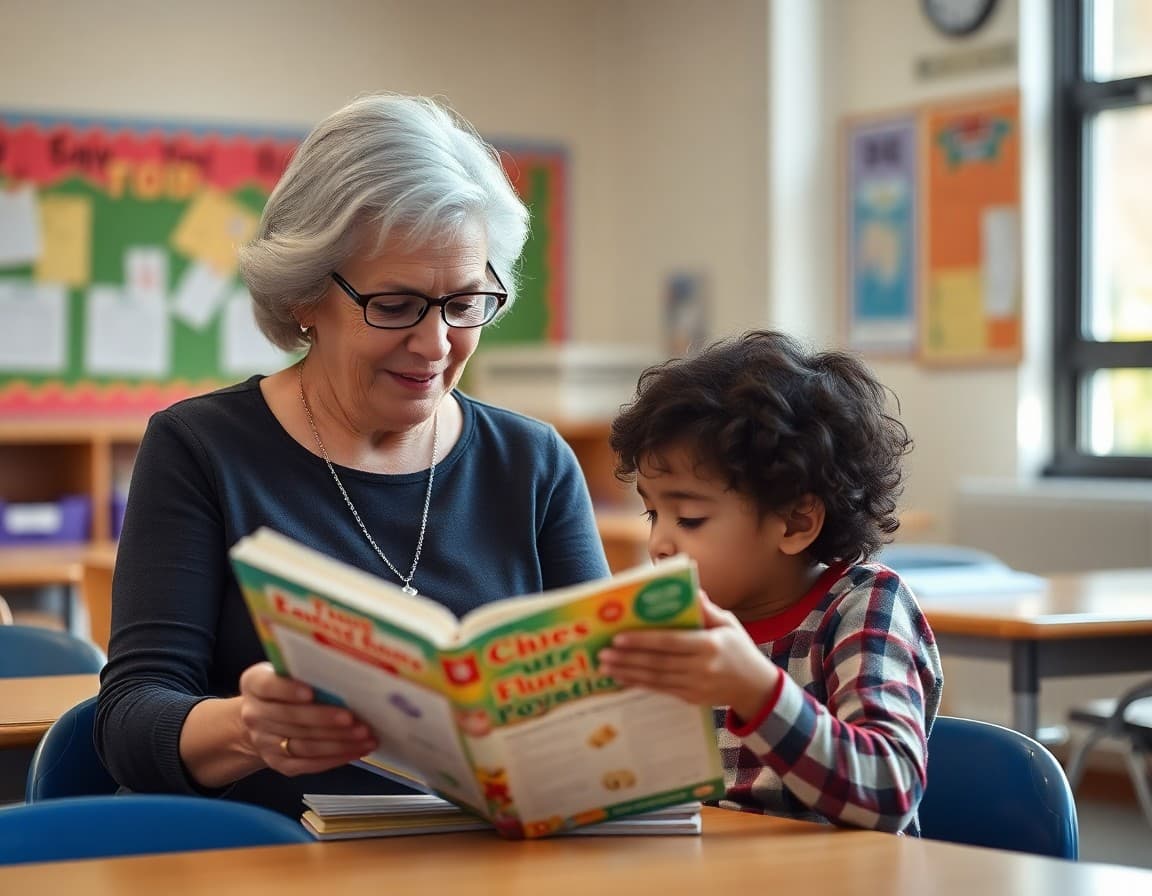
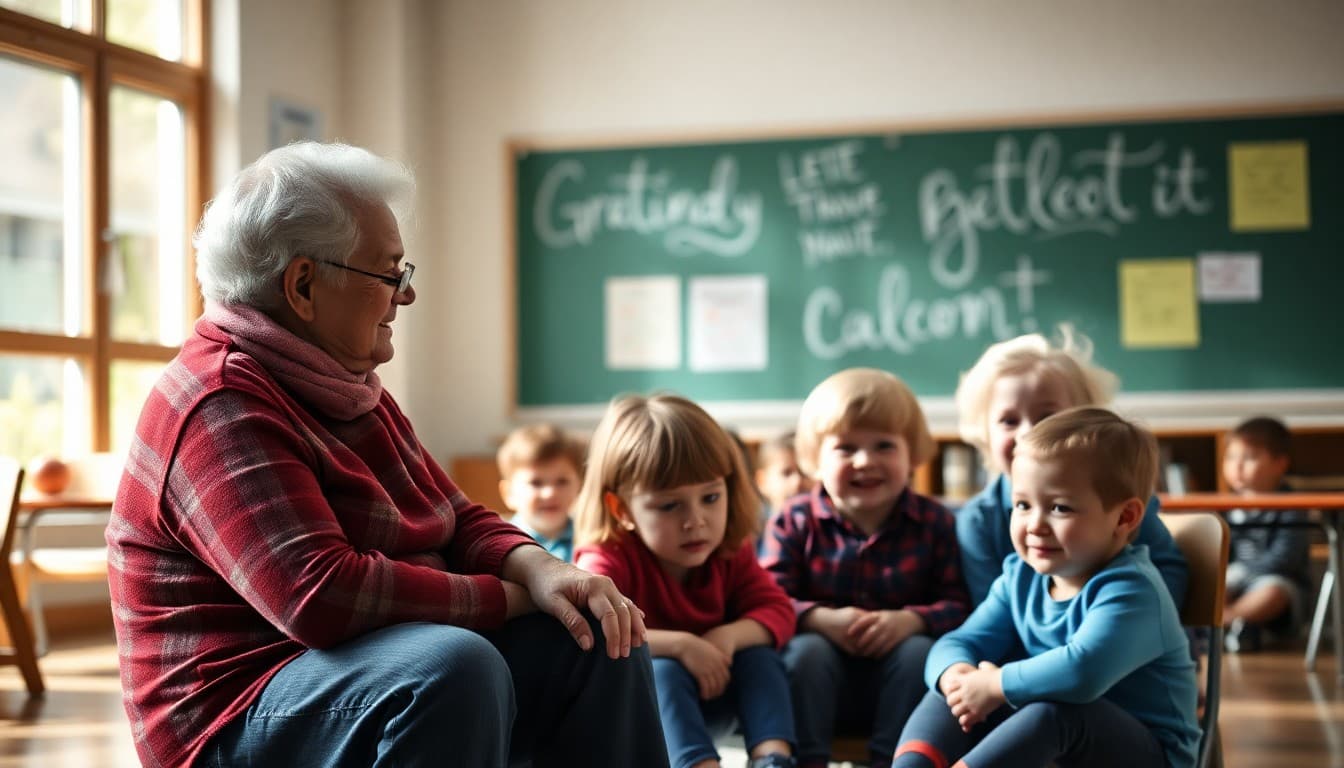
Grandparents Day is one of the elementary events that produces the most genuinely moving moments in a school year. An 82-year-old who has not been inside a classroom since her own childhood, sitting next to her granddaughter as she reads a book aloud. A grandfather who immigrated from Vietnam showing his grandson's class a photo of the village he grew up in. These moments happen because someone planned them, invited them, and made the logistics work. The newsletter is where that planning becomes visible to families.
The Invitation: Inclusive from the First Sentence
The first line of the invitation sets the tone for the entire event. Write it to include every family structure before families have to wonder whether they are included. "We are hosting our annual Special Adults Day on Friday, November 21 from 10 to 11:30 AM. We invite you to bring a special older adult in your child's life, whether that is a grandparent, great-aunt or uncle, family friend, neighbor, or any adult who plays a meaningful role in your child's world." Every family with an engaged elder can come. No family is left wondering if they belong.
What Will Happen During the Visit
Describe the event agenda in the invitation so guests know what to expect. This matters for older guests who may have mobility considerations, hearing impairment, or unfamiliarity with modern school environments. "You will arrive at the main entrance, sign in, and find your grandchild's classroom. The first 20 minutes involve a classroom tour led by your grandchild. The middle 30 minutes are our 'Oral History' activity where we interview our special guests about their lives and record one story they are willing to share. The final 20 minutes are refreshments in the cafeteria." That structure removes uncertainty for guests who have not been in a school for decades.
The Oral History Activity: The Heart of the Visit
Include a brief description of the oral history activity in the newsletter so families can prepare their guests. Students have developed 5 interview questions they will ask their special adult. The questions focus on childhood memories, family traditions, and what the world was like when the adult was the student's age. Common questions from third graders include: "What toys did you play with when you were 8?" and "What did your school look like?" and "What is the most important thing you learned growing up?" Guests who know these questions are coming can prepare one or two good stories rather than being caught off guard by a child's earnest interview.
Supporting Students Without Guests
Address the absent-guest situation directly in the newsletter, both to reassure families and to let them know how you are handling it. "We understand that some children will not have a guest with them, whether because grandparents live far away, have passed away, or have other commitments. Every child who does not have a guest will be partnered with one of our wonderful classroom volunteer mentors for the activities. No child will be left without a partner." This transparency eliminates the need for any child to feel singled out and eliminates the discomfort parents feel when they know their child cannot attend with a guest.
Intergenerational Storytelling in the Classroom
Feature in the newsletter a brief preview of the classroom book your students created about their family histories. Many teachers collect student-written "my grandparent's story" books in the weeks leading up to the event and present them during the visit. A student who has spent two weeks writing about their grandfather's childhood in Guatemala and then reads that story to him in the classroom is having an experience that reaches well beyond the school day. This activity also produces some of the year's best student writing because the motivation is entirely authentic.
Follow-Up: Preserving the Stories
After the event, send a follow-up newsletter with photos and reflections. Include one or two student quotes about what they learned from their guest. Mention any particularly memorable stories (with permission) that came up during the oral history activity. Invite families to continue the oral history project at home by recording their special adult telling one story from their life. Resources like the StoryCorps app make this simple and preserve the recording permanently. The follow-up newsletter extends the Grandparents Day learning from a single morning into a sustained family project that many families continue for years.
Get one newsletter idea every week.
Free. For teachers. No spam.
Frequently asked questions
How do I write a Grandparents Day newsletter that includes all family structures?
Use inclusive language throughout the invitation. Instead of 'invite your grandparents,' write 'invite a special older adult in your life, a grandparent, great-aunt, family friend, or neighbor who matters to your child.' This framing includes children being raised without living grandparents, children in foster care, and children whose grandparents live far away. It does not diminish the grandparent relationship. It simply ensures every child has someone to bring.
What should Grandparents Day activities include?
Activities that involve sharing stories and knowledge tend to be the most meaningful: a structured 'interview your special guest' activity, an oral history recording, a family recipe exchange, or a joint reading session. Avoid activities that require physical dexterity from elderly guests or that feel like observation rather than participation. The goal is for grandparents and special adults to be active participants alongside children, not audiences watching a school performance.
How much advance notice should the Grandparents Day newsletter give?
Send the first notice four to five weeks before the event. Grandparents who live out of town or who are still working need time to arrange travel or schedule adjustments. A single week's notice works for families with local grandparents but excludes those who would need to travel. A follow-up reminder two weeks before and a logistics reminder three days before ensures maximum attendance across your community.
How do I support children whose grandparents cannot attend?
Before the event, acknowledge in the newsletter that not every child will have someone present and that this is completely okay. Arrange for classroom volunteers, teaching assistants, or older student volunteers to be paired with children without a guest so every child has a partner for the activities. Let families know in advance that this arrangement exists so children are prepared. A child who arrives knowing there is a plan for them is far less anxious than a child who discovers the situation on the day of the event.
Can Daystage help me send the Grandparents Day invitation and RSVP tracking?
Yes. Daystage lets you include an RSVP link directly in the newsletter invitation. Grandparents and special guests can confirm attendance with one click, and you can track responses to plan seating, refreshments, and activity materials. Knowing your headcount two weeks before the event rather than relying on children to relay attendance information makes the day significantly easier to manage. Several teachers use Daystage specifically for events that require advance RSVP tracking.

Adi Ackerman
Author
Adi Ackerman is a former classroom teacher and curriculum writer with 8 years in K-8 schools. She writes about school communication, parent engagement, and what actually works in real classrooms.
More for Elementary
Ready to send your first newsletter?
3 newsletters free. No credit card. First one ready in under 5 minutes.
Get started free