
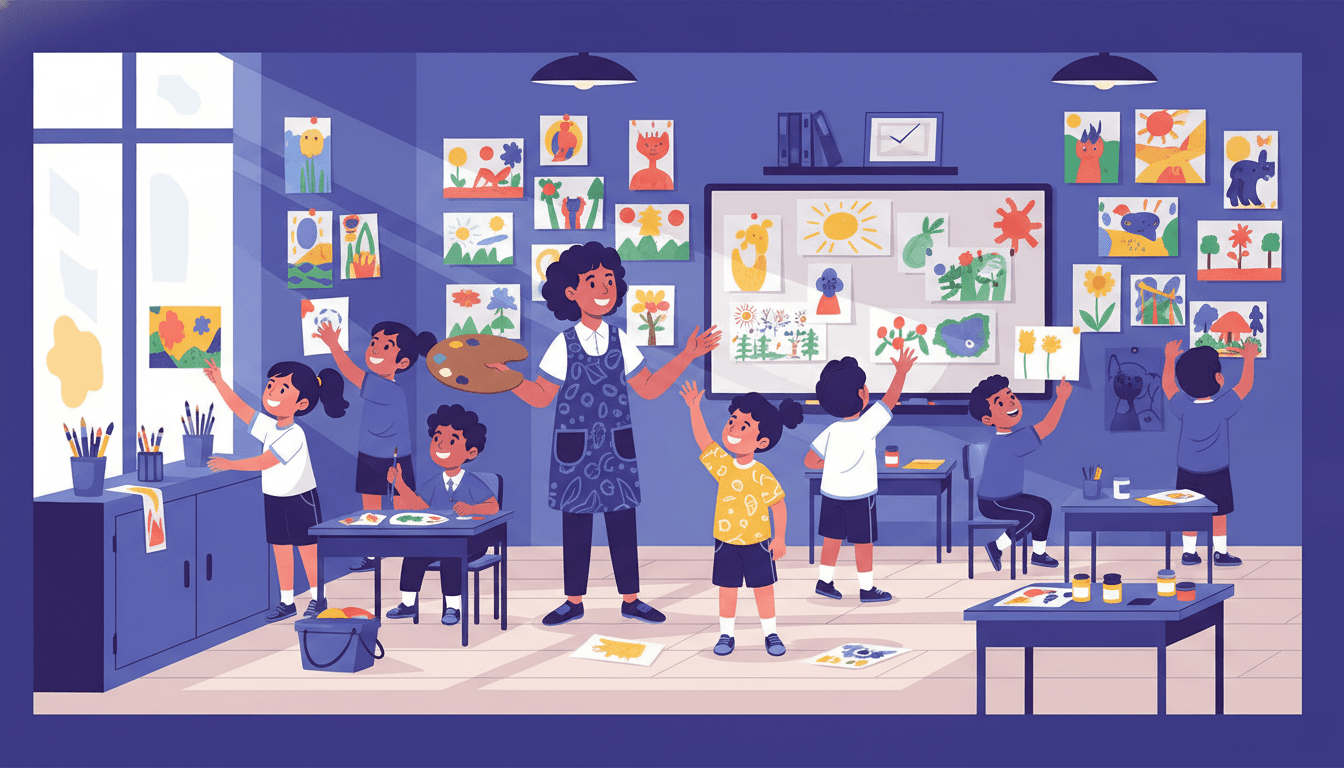
Elementary Character Education Newsletter Guide
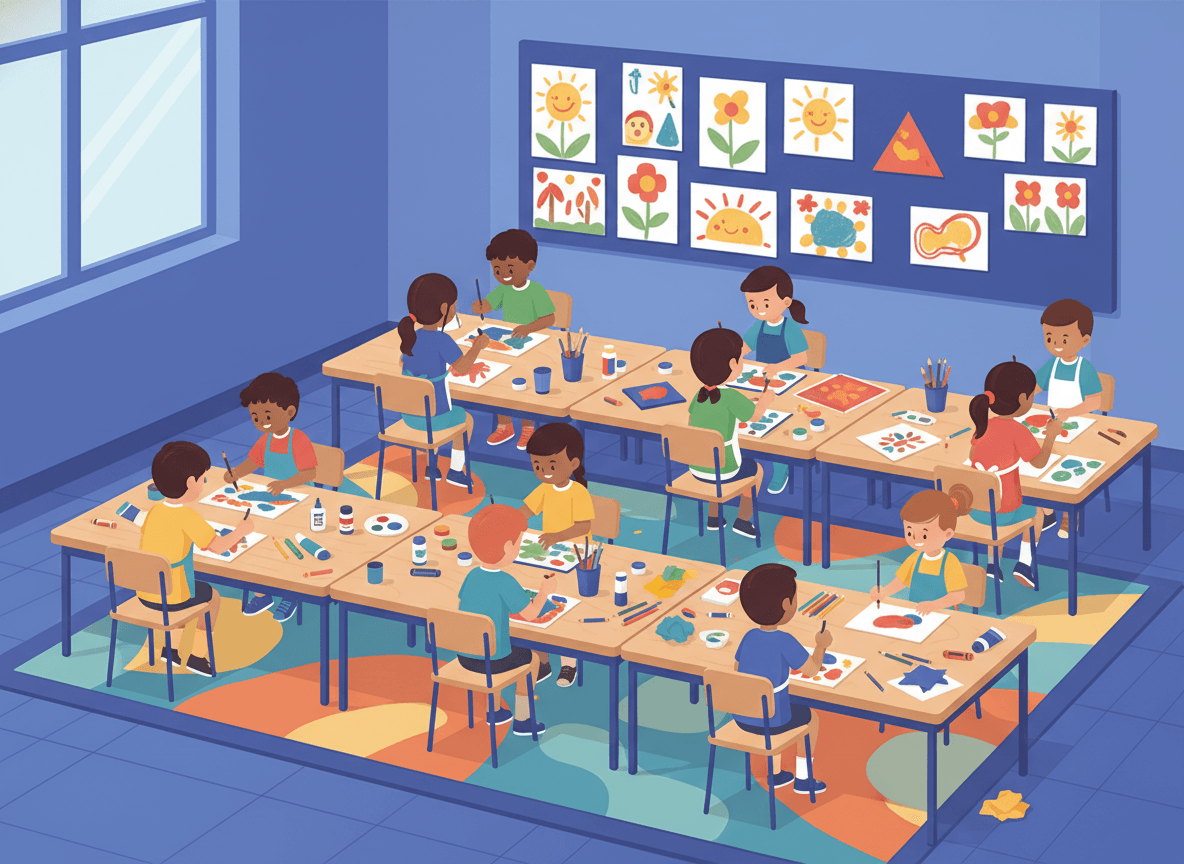
Character education works best as a home-school partnership. Students who hear the same language about the same trait from their teacher and their family build that trait more quickly than students who only encounter character education inside the classroom. The newsletter is how you bring families into the curriculum.
Introducing the character education program
At the start of the year, send a brief overview of your school's or classroom's character education approach. This does not need to be long. Families want to know: what are the traits being taught, when, and how?
"This year, our class will focus on a different character trait each month. Each month's focus is built into our classroom community, read-alouds, and daily conversations. Here are the traits we will cover this year: [list]. I will send a brief newsletter at the start of each month with the new focus and a few ideas for how to continue the conversation at home."
The monthly character trait newsletter structure
Each monthly newsletter follows the same brief structure: what the trait is, what it looks like in an elementary student's daily life, what students are doing in class to practice it, and one or two ways families can reinforce it at home.
Example for "Responsibility": "This month our class is focused on responsibility. For our students, responsibility looks like: returning library books on time, completing class work without reminders, telling a trusted adult when something goes wrong instead of waiting for someone to notice, and taking care of shared materials. We are reading [book title] this week, which shows a main character learning to take responsibility for a mistake."
What the trait looks like at home
Give families two or three specific examples of what the current trait looks like in a home context:
For Responsibility: "At home, responsibility might look like: remembering to put their backpack by the door the night before school, feeding a pet without being reminded, or letting you know right away if they forgot to bring home an important paper."
Connecting the classroom trait to the home environment makes the learning transferable. Students who only practice responsibility in school do not build it as a generalized habit the same way students who practice it in both settings do.
Conversation starters for families
Include one or two questions families can ask their child this month:
- "Tell me about a time this week when you were responsible at school."
- "Was there a time this week when being responsible was hard? What did you do?"
These questions are simple and can be used at any point in the month. Families who use them regularly report that their children start bringing up character examples unprompted, which is the sign that the trait is becoming internalized.
How the school recognizes character
Briefly describe any recognition practices connected to character education. A character spotlight bulletin board, a monthly character award assembly, a note home when a student demonstrates the trait in a notable way. Recognition that is visible to families closes the loop between what happens in school and what families are reinforcing at home.
Get one newsletter idea every week.
Free. For teachers. No spam.
Frequently asked questions
What is character education and why does it merit a newsletter?
Character education is the intentional teaching of qualities like respect, responsibility, honesty, empathy, and perseverance. It merits a newsletter because these qualities develop most effectively when they are reinforced consistently at home and at school. Families who know what trait their child's class is focused on this month can use the same language and look for the same behaviors at home.
What should a character education newsletter include?
The specific trait or character focus for the current period, how it is being taught in the classroom, examples of what the trait looks like in a student's daily life, a conversation starter or activity families can use at home, and any recognition happening at school (character awards, spotlight bulletin boards, etc.).
How do you keep character education newsletters from sounding preachy?
Ground everything in specific, observable behavior rather than abstract virtue. Instead of 'we are teaching students to be kind,' try 'we are practicing specific ways to include a classmate who is sitting alone at lunch, to handle disagreements without name-calling, and to acknowledge when someone else has done something well.' Concrete descriptions of what character looks like in a child's actual school day are more useful than moral platitudes.
Should character education newsletters include examples of student behavior?
Yes, but anonymously or with broad attribution. 'This week, a student noticed a classmate struggling to open their locker and stopped to help without being asked' is more powerful than a general description of kindness. Use class-level examples rather than naming specific students unless you have clear permission.
How does Daystage help with character education communication?
Daystage lets teachers schedule a monthly character education newsletter that goes out automatically with each new trait focus. If the school uses a yearlong character curriculum with a different trait each month, all twelve newsletters can be drafted, scheduled, and sent without any mid-year effort. Consistency in this communication reinforces that character education is a sustained commitment, not an occasional activity.

Adi Ackerman
Author
Adi Ackerman is a former classroom teacher and curriculum writer with 8 years in K-8 schools. She writes about school communication, parent engagement, and what actually works in real classrooms.
More for Elementary
Ready to send your first newsletter?
3 newsletters free. No credit card. First one ready in under 5 minutes.
Get started free