
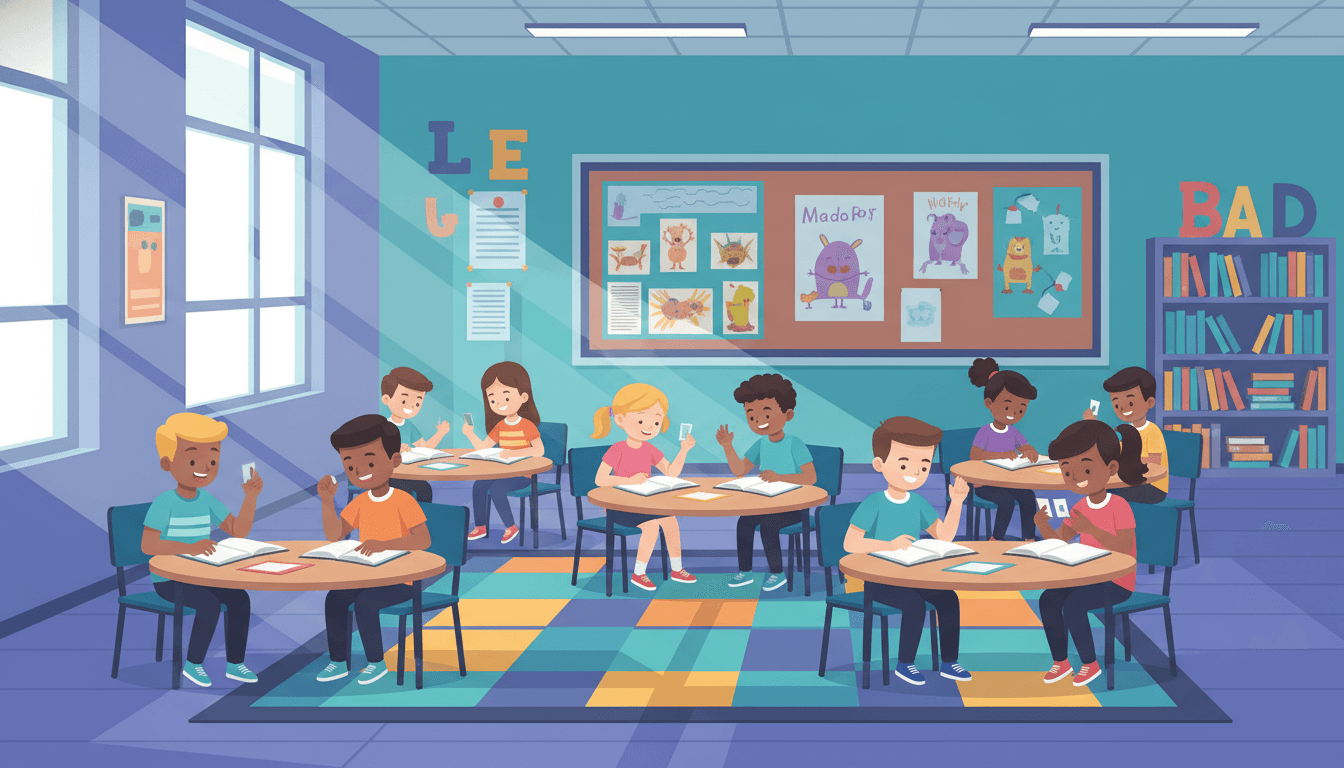
Third Grade Newsletter: What to Include When Students Are Getting More Independent
Third grade marks a real shift. Students move from learning foundational skills to applying them across content areas. They start doing more independent work. They take ownership of their homework. They have opinions about their own learning. For families, this can feel like a step back from the classroom just as things get more complex.
A well-written third grade newsletter bridges that gap. It keeps families connected without undermining student independence. Here is what to include and how to frame it.
Shift from "what we did" to "what students are working toward"
In kindergarten and first grade, newsletters mostly describe what happened in the classroom. By third grade, the more useful frame is: what are students working toward and what does growth look like?
Instead of "we learned about fractions this week," try "students are developing fluency with fractions, meaning they are getting faster and more confident at identifying and comparing parts of a whole. The goal by the end of the unit is to add and subtract fractions with like denominators without needing to draw pictures every time." That context helps families understand where their child is in the progression, not just what topic the class covered.
What to say about reading and writing in third grade
Third grade is when the reading gap starts to widen. Kids who arrived at third grade reading fluently move quickly. Kids who are still catching up face more difficulty as the content demands increase. Families are aware of this, even if they do not say it out loud.
Use the newsletter to demystify what reading growth looks like at this level. What comprehension skills are you focusing on? What does strong third grade writing look like? Give families the vocabulary so they can have real conversations about their child's progress. "We are working on identifying the main idea and supporting details in informational text. Students read a short article about weather patterns and then had to summarize it in their own words using only three sentences."
Homework expectations and the family role
Third grade is often when homework becomes a source of tension at home. Students are expected to do more on their own. Some families over-help. Some students avoid it entirely. Some families are not sure how involved they should be.
A brief note about homework expectations in the newsletter prevents a lot of these problems. Be direct about what you want from families: "Third graders should attempt homework independently first. If they are stuck after ten minutes, encourage them to write down the question and bring it to me tomorrow. Your job is not to solve it for them, it is to make sure they have a quiet time and place to try." Families appreciate clear guidance on exactly this kind of thing.
Social and emotional context
Third grade social dynamics are increasingly complex. Friendships feel serious. Peer pressure starts showing up. Kids are figuring out who they are in relation to their classmates. Families notice their child's social stress but do not always have context for what is normal.
A sentence or two about the social-emotional focus in the classroom helps. Whether you are working on conflict resolution strategies, growth mindset, or collaborative problem-solving, sharing that context gives families language to use at home.
Spotlight on student thinking
One of the most engaging things you can include in a third grade newsletter is a brief example of student thinking. Not a photo caption, but a real moment: a question a student asked that shifted the class discussion, a pattern students noticed during a math investigation, an argument students made in a debate activity.
These moments do two things at once. They show families what learning looks like in your classroom. And they validate to students that their thinking matters enough to share with their families.
Keeping the newsletter concise as content complexity grows
Third grade content can feel harder to summarize than kindergarten content, which tempts teachers to write more. Resist it. Families are not reading for a curriculum overview. They want to feel connected and informed. Four to five short sections, clearly labeled, is still the right structure.
Using a tool like Daystage keeps the format consistent without the time investment of rebuilding the newsletter from scratch each week. The block editor lets you write one section at a time, preview how it will look in email, and send in one click. Your time goes toward the content, not the formatting.
What third grade families do with a good newsletter
The families who engage most with third grade newsletters are the ones who use them to have better conversations with their child. When they know what concept is being taught, they can ask about it. When they know what the homework expectations are, they support independence instead of accidentally undermining it. When they hear a moment from the classroom, they feel like they were there.
That kind of informed family engagement is what a newsletter is actually for. Third grade is a good year to invest in it.
Get one newsletter idea every week.
Free. For teachers. No spam.
Frequently asked questions
When should third grade teachers send newsletters to families?
Weekly, on a consistent day. Third grade is when the reading gap starts to widen and homework becomes a source of tension at home. Families who receive a reliable weekly update understand the expectations before problems develop rather than after.
What should a third grade newsletter include for families?
Shift from describing what happened to framing what students are working toward and what growth looks like at this level. Include homework expectations with clear guidance on the family role, a brief note on the social-emotional skills being built in class, and one example of specific student thinking from the week.
How should third grade newsletter language differ from lower-grade newsletters?
Third grade newsletters are more useful when they describe progression rather than activities. Instead of 'we learned about fractions this week,' write 'students are developing fluency with fractions, meaning they are getting faster and more confident. The goal by the end of the unit is to add and subtract without needing drawings every time.' That context helps families understand where their child is in the progression.
What are common mistakes third grade teachers make with parent newsletters?
Writing curriculum overviews instead of useful family content is the most common mistake. Third grade content is complex enough to feel hard to summarize, which tempts teachers to write longer. Resist it. Four to five short sections at 350 to 400 words is still the right format, even in third grade.
How does Daystage help third grade teachers maintain a consistent newsletter format?
Daystage's block editor keeps your format consistent week to week so you write one section at a time, preview how it looks in email, and send in one click. Your time goes toward the content, not the formatting, which is how the weekly habit stays sustainable through a busy third grade year.

Adi Ackerman
Author
Adi Ackerman is a former classroom teacher and curriculum writer with 8 years in K-8 schools. She writes about school communication, parent engagement, and what actually works in real classrooms.
More for Elementary
Ready to send your first newsletter?
3 newsletters free. No credit card. First one ready in under 5 minutes.
Get started free