
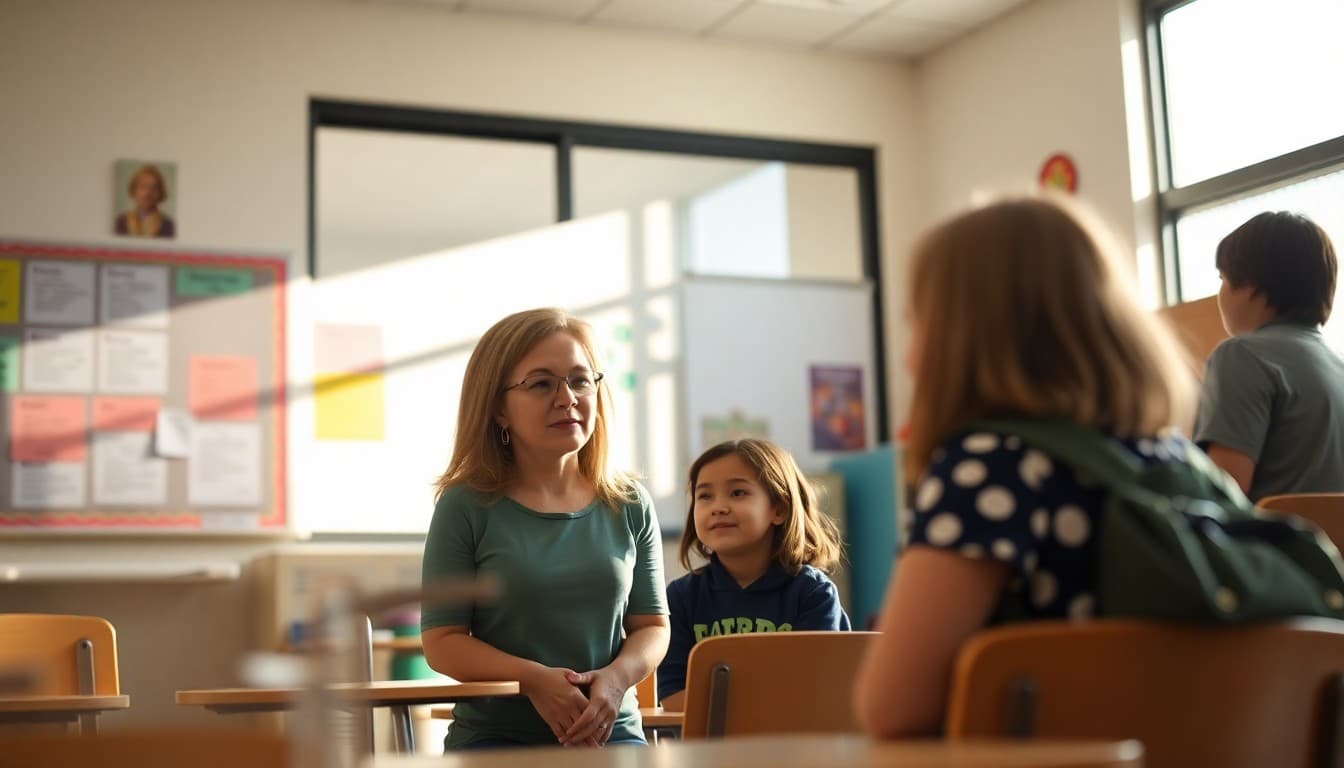
Arizona Elementary School Parent Communication Guide
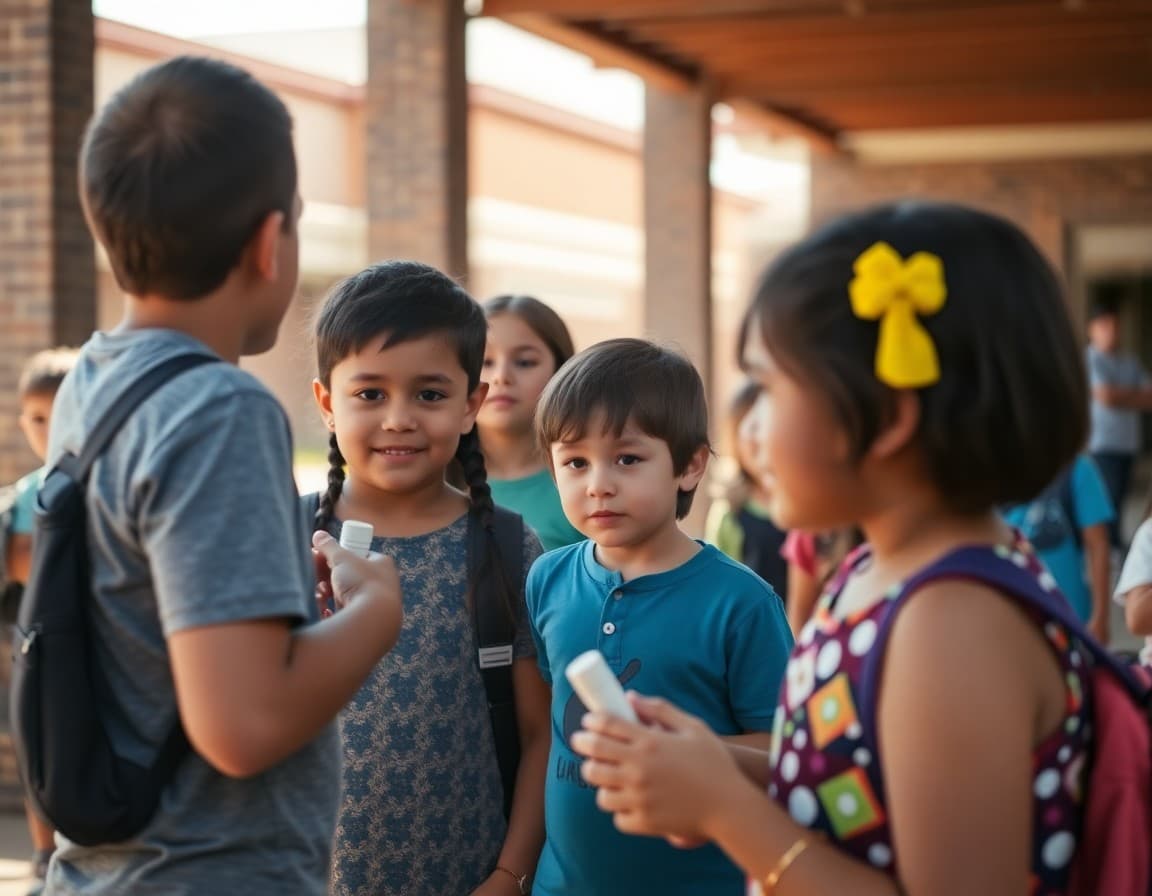
Arizona elementary schools serve one of the most educationally diverse states in the country: a large charter school sector, significant Spanish-speaking and Native American populations, and a fast-growing suburban population that spans the Phoenix metro and beyond. Effective parent communication accounts for these differences while maintaining the consistency that all families need.
Address Extreme Heat in Your Communication Calendar
Phoenix metro schools deal with sustained temperatures above 110 degrees from May through early September. Elementary families need clear communication about heat protocols: when is recess indoors, what hydration supplies students should bring, how the school manages outdoor events during heat advisories, and what the temperature threshold is for changing outdoor plans. This information belongs in the beginning-of-year newsletter and in any May through September school communication. Families new to Arizona are often unprepared for how quickly children overheat outdoors.
Cover Monsoon Season Protocols
Arizona monsoon season runs from mid-June through September and brings sudden intense thunderstorms, lightning, dust storms (haboobs), and localized flooding. Elementary schools should communicate clearly about how they handle dismissal when severe weather arrives suddenly: do they hold students until the storm passes, call parents, or follow a specific shelter-in-place procedure? Families who know the protocol in advance stay calm instead of showing up at school during a haboob demanding their child.
Communicate the AzM2 Testing Schedule
Arizona's statewide assessment (AzM2) is administered in spring to grades 3 and up. Elementary families benefit from advance notice about the testing window, the subjects covered, and the importance of regular attendance during testing. Schools should also explain how scores are reported, what they mean relative to grade-level standards, and how families can access their child's results. Connecting the assessment to the instruction happening in class all year reduces the perception that testing is disconnected from classroom learning.
A Template Newsletter Section for Arizona Elementary Schools
Here is a template weekly newsletter section that addresses Arizona-specific needs:
"Hello [CLASS] families. A few things for this week: [2-3 UPDATES]. We are currently working on [ACADEMIC FOCUS]. With temperatures expected to reach [FORECAST] this week, all recess will be [INDOORS/MODIFIED]. Please make sure your child brings a full water bottle every day. Important dates: [DATES]. Contact me at [PHONE OR EMAIL]."
The weather note is not optional during Arizona summers. Including it in every late-spring and fall newsletter shows families that you are paying attention to their child's daily experience, not just academic content.
Support Arizona's Multilingual Families
Arizona's multilingual student population includes large Spanish-speaking communities, Navajo and other Native American language speakers in northern Arizona, and growing Somali, Arabic, and Southeast Asian communities in the Phoenix metro. Schools with significant non-English-speaking family populations should establish a systematic translation process for key newsletters and event notices. At minimum, the beginning-of-year packet, testing notifications, and end-of-year information should be available in the primary language spoken by families in your community.
Communicate With Charter School Families Specifically
Arizona has the highest proportion of charter school students in the country. Charter elementary families have made an active enrollment choice and tend to monitor school performance and communication quality closely. These families appreciate newsletters that connect daily classroom activities to the school's educational philosophy, share specific evidence of student progress, and provide transparency about any curriculum or staffing changes. Consistent, substantive communication is a retention tool for Arizona charter schools.
Acknowledge Tribal Nation Connections
Arizona is home to 22 federally recognized tribes, and schools in areas like the Navajo Nation, Gila River Indian Community, and Salt River Pima-Maricopa Indian Community serve substantial Native American student populations. Elementary newsletters for these schools should acknowledge tribal cultural events, avoid scheduling major events on days with significant cultural significance, and reference the educational values the school shares with the community. Partnership with tribal offices and parents organizations builds communication effectiveness that standard digital tools alone cannot achieve.
Build a Year-Round Communication Rhythm
Arizona's year-round school calendar is common in the Phoenix metro, where many schools operate on a modified calendar with shorter breaks throughout the year rather than a traditional summer. Elementary teachers at year-round schools need a communication rhythm that reflects these schedule differences. Daystage makes it simple to send newsletters on whatever schedule fits the school calendar, whether that is traditional September-June or a year-round rotating schedule.
Get one newsletter idea every week.
Free. For teachers. No spam.
Frequently asked questions
What makes parent communication in Arizona elementary schools important?
Arizona has a large and diverse student population that includes significant Spanish-speaking and Native American communities, a fast-growing suburban school population around Phoenix and Tucson, and a large number of charter and open enrollment schools where families have made active choices about their child's education. These families tend to be highly engaged and have high expectations for communication. Schools that communicate clearly and consistently hold onto their students and build the family loyalty that supports stable enrollment.
What state-specific topics should Arizona elementary newsletters cover?
Arizona elementary newsletters should address the AzM2 (Arizona's Measurement of Educational Readiness to Inform Teaching) testing schedule in spring, extreme heat protocols for outdoor activities and recess (temperatures regularly exceed 110 degrees in Phoenix metro from May through September), monsoon season communication from July through September, school choice and enrollment deadlines, and any events related to local Native American cultural observances for schools near tribal lands.
How should Arizona elementary schools communicate with Spanish-speaking families?
Arizona has one of the largest Spanish-speaking student populations in the country, concentrated in the Phoenix metro area, Tucson, and agricultural communities along the border. Schools with more than a small percentage of Spanish-speaking families should provide key communications in Spanish as a standard practice, not an exception. Translated newsletters, bilingual staff at parent events, and Spanish-language versions of important notices are all effective approaches that significantly improve family engagement.
How do Arizona charter and open enrollment schools approach parent communication?
Charter school families have chosen their school specifically, which generally means higher engagement expectations. These families want regular, specific updates on curriculum, student progress, and school culture. They also tend to be more likely to disenroll if they feel communication is lacking. Charter elementary schools in Arizona often communicate more frequently and with more detail about instructional approach and school philosophy than traditional public schools.
What tool do Arizona elementary teachers use to send newsletters to families?
Daystage is used by teachers at elementary schools across Arizona to send polished, consistent newsletters to families. It works equally well for traditional public schools, charter schools, and Title I schools. Teachers can send by class or grade, and families receive updates without downloading an app. The platform is practical for schools that want professional-looking communication without a large investment of time.

Adi Ackerman
Author
Adi Ackerman is a former classroom teacher and curriculum writer with 8 years in K-8 schools. She writes about school communication, parent engagement, and what actually works in real classrooms.
More for Elementary
Ready to send your first newsletter?
3 newsletters free. No credit card. First one ready in under 5 minutes.
Get started free