
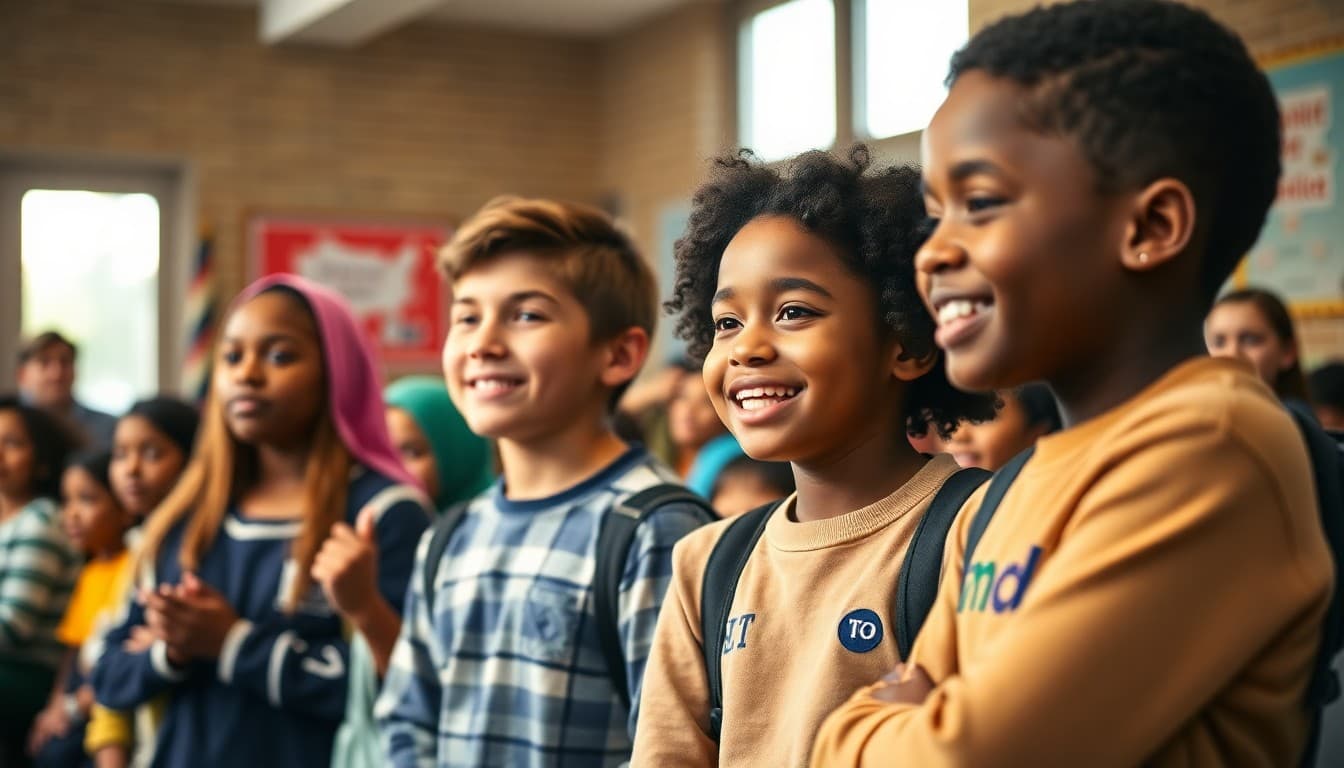
Student Belonging Newsletter: Creating Inclusive School Culture
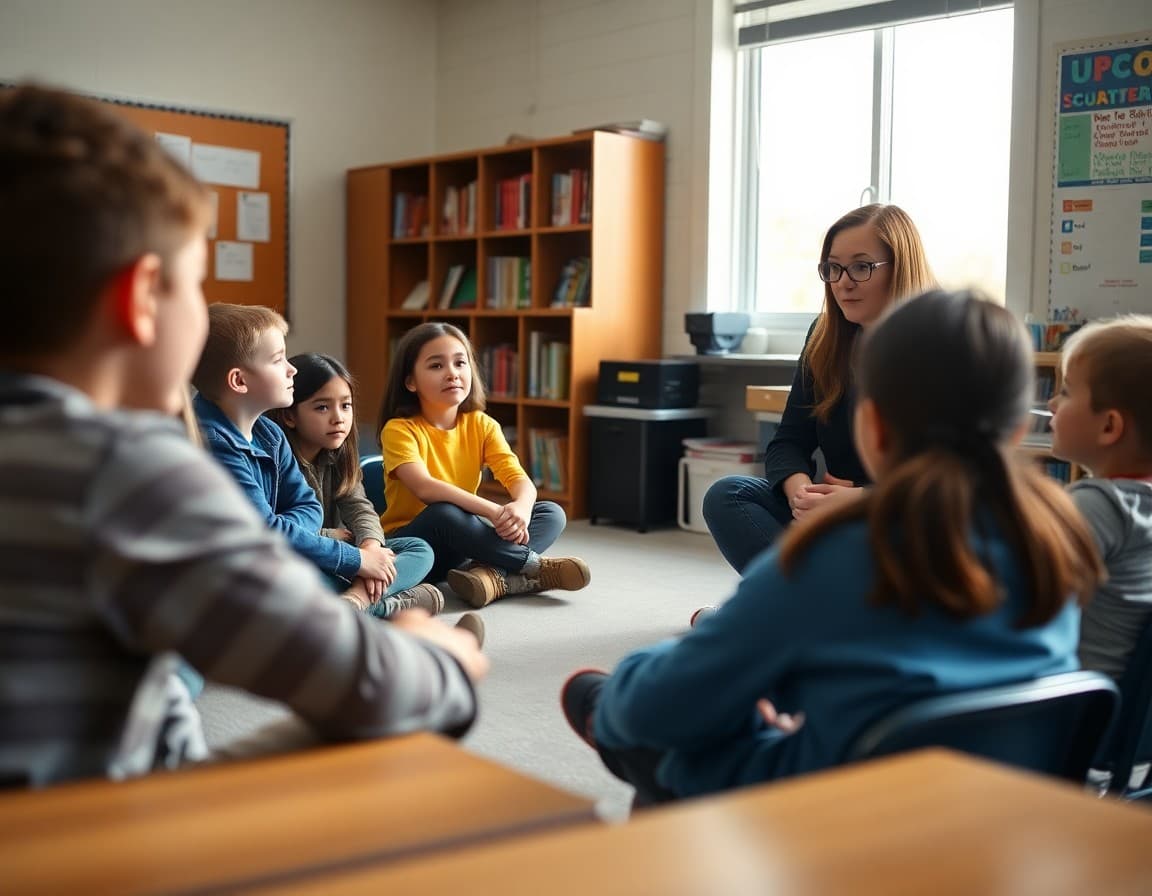
Research on belonging in schools is consistent: students who feel they belong attend more, achieve more, and are less likely to drop out. The belonging gap between white students and students of color, between economically secure students and students experiencing poverty, and between neurotypical students and students with disabilities is real and measurable. A newsletter that addresses belonging directly, names what your school is doing to build it, and reports on whether it is working is one of the most honest communications you can send.
Define What Belonging Means at Your School
Not every family understands "belonging" as an educational concept. Start your newsletter with a plain definition: "Belonging means feeling like you are genuinely valued, seen, and connected at school, not just present. A student who belongs feels comfortable speaking up in class, knows at least one adult who knows their name, and feels like their identity and background are respected in the school community." That definition is accessible and sets a clear standard against which the school's efforts can be measured.
Reporting on Belonging Data
If your school surveys students on belonging, share the results. "Our annual student survey asks three questions about belonging. This year, 74% of students agreed or strongly agreed that they feel like they belong at school. Among students of color, that figure was 65%, down from 71% last year. We are taking that decline seriously and are investigating contributing factors." Sharing data, including unfavorable data, builds trust and signals that belonging is an outcome your school is accountable for, not just an aspiration.
Specific Practices Worth Naming
Belonging is produced by specific practices, and naming them in your newsletter gives families a concrete picture of what the school is doing. "This year we launched an advisory program in which every student meets three times per week with the same adult mentor for 20 minutes. The goal is to ensure every student has at least one adult at school who knows their name, knows what they care about, and can notice when something is wrong." That specific practice is far more convincing than a general statement about caring for every student.
Other practices worth naming: restorative circles for resolving community conflicts, extracurricular access funds that cover activity fees for families who cannot afford them, curriculum diversity audits that ensure students see themselves in what they study, and anti-bullying programs that specifically address identity-based harassment.
Who Belongs and Who Does Not
The most honest belonging newsletters acknowledge that belonging is not equally distributed. "We know that some students at our school feel significantly less belonging than others. Our survey data consistently shows that Black and Latino students, LGBTQ students, and students with disabilities report lower belonging scores than their peers. These are the students our belonging work is most urgently directed toward, even as we work to build belonging for every student." That honesty is uncomfortable but necessary.
Student Voice in the Newsletter
Include student perspectives on belonging. With permission, quote students on what makes them feel welcomed or excluded at school. "One of our sixth-grade students told us: 'I felt like I belonged for the first time this year when my teacher read a book with a main character who looked like me.' That is what this work is about." Student voices are more convincing than administrative commitments, and featuring them signals that the school is actually listening.
What Families Can Do
Belonging is not only built at school. Families can reinforce it by asking their children specific questions: "Who did you eat lunch with? Is there anyone at school who you think might be feeling left out? Who is one person you want to get to know better?" Those questions signal that family conversations about belonging matter and that children can influence the belonging of others, not just receive or withhold it.
The Connection Between Belonging and Achievement
Close your newsletter by connecting belonging to outcomes that families care about. "Research from the Stanford Social Neuroscience Lab shows that a single belonging affirmation can improve the academic outcomes of students from marginalized groups for an entire semester. We are not investing in belonging because it is a nice idea. We are investing in it because students who belong, learn." That evidence-based closing frame makes the case that belonging work is academic work, not just social-emotional programming.
Get one newsletter idea every week.
Free. For teachers. No spam.
Frequently asked questions
What is the difference between a belonging newsletter and a general inclusion newsletter?
A belonging newsletter focuses specifically on the experience of individual students, whether they feel seen, valued, and connected at school. An inclusion newsletter more broadly addresses whether students with different needs and identities can fully participate in school life. Belonging is an outcome; inclusion is a condition. A belonging newsletter asks: what are we doing to ensure every student feels like they genuinely belong here, not just that they are tolerated?
How do I measure belonging and report on it in a newsletter?
Student surveys are the most direct measurement tool. Questions like 'I feel like I belong at this school,' 'There is an adult at school who cares about me,' and 'I feel safe at school' produce quantifiable belonging data. Reporting this data over time, with breakdowns by demographic group, gives families concrete evidence of whether belonging is improving. 'This year, 74% of students reported feeling like they belong at school, up from 67% last year. Among Black and Latino students, the figure rose from 58% to 65%.' Numbers are more credible than assurances.
What specific practices build belonging and should be named in a newsletter?
Student advisory periods where students meet weekly with a consistent adult mentor, restorative circles where community issues are addressed collectively, extracurricular access programs that reduce financial barriers to participation, and representation in curriculum and school displays all contribute to belonging. A newsletter that names and describes these specific practices is more credible than one that talks about belonging in general.
How do I write about belonging for students who are often excluded?
Be direct about which students are most likely to experience exclusion at your school and what you are doing about it. Students who experience belonging deficits most acutely tend to be students of color in predominantly white schools, LGBTQ students in unsupportive environments, students with disabilities in schools without adequate inclusion practices, and students from low-income families in affluent districts. Naming these groups and describing specific supports for each is more helpful than speaking abstractly about all students.
What newsletter platform works best for student belonging communication?
Daystage works well because you can include student quotes, photos from belonging-focused events, and survey data in a clean, visually engaging format. A belonging newsletter that looks welcoming and feels human is more likely to resonate than a formal document-style communication. Daystage also lets you track engagement, which tells you whether the families most affected by belonging issues are actually receiving and reading your communication.

Adi Ackerman
Author
Adi Ackerman is a former classroom teacher and curriculum writer with 8 years in K-8 schools. She writes about school communication, parent engagement, and what actually works in real classrooms.
More for Diversity & Equity
Culturally Responsive School Newsletter: Inclusive Communication
Diversity & Equity · 7 min read
School Equity Committee Newsletter: Progress and Priorities
Diversity & Equity · 6 min read
DEI Coordinator Newsletter Guide: Communicating Equity Goals and Progress to the School Community
Diversity & Equity · 7 min read
Ready to send your first newsletter?
3 newsletters free. No credit card. First one ready in under 5 minutes.
Get started free