

School Newsletter: Inclusion and Special Education Services Update
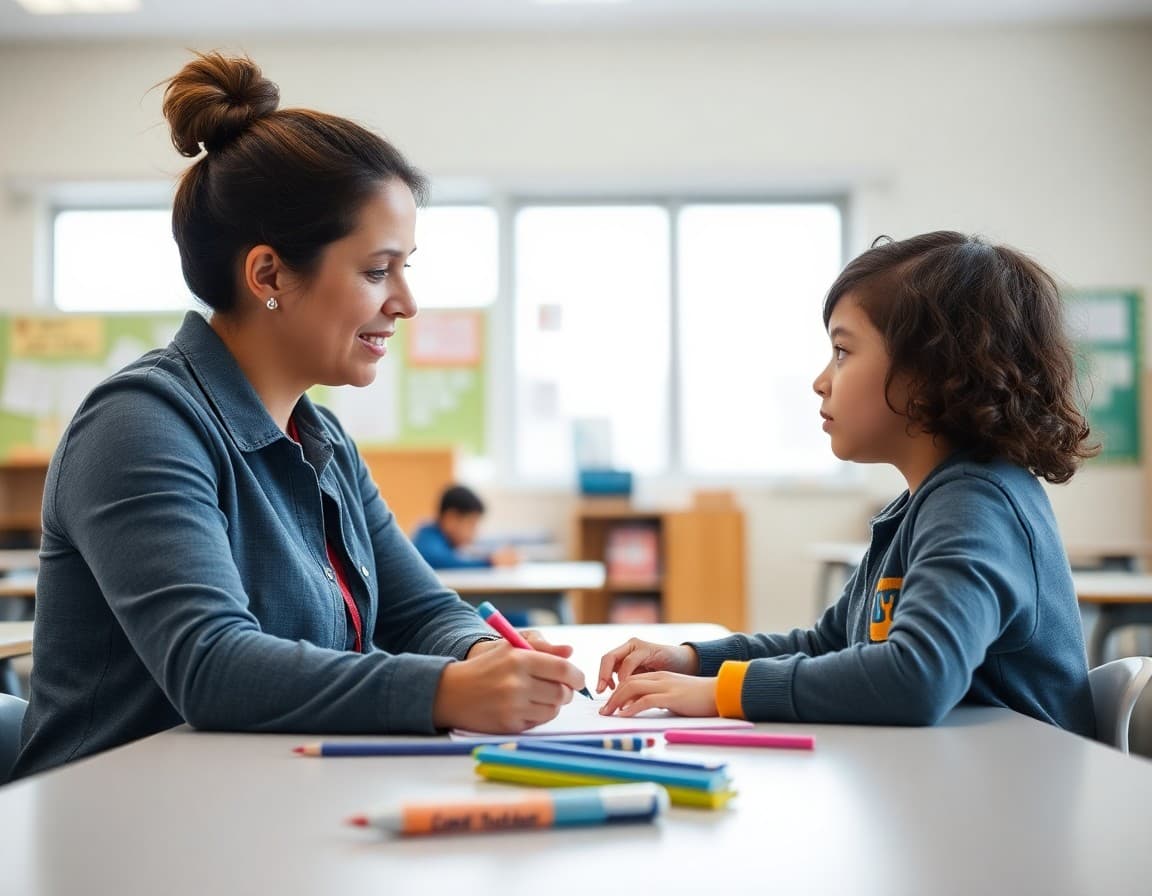
Special education families are among the most attentive readers of school newsletters and among those most often left out of general school communications. A newsletter that acknowledges these families specifically, communicates honestly about programs and rights, and features students with disabilities as full community members does meaningful inclusion work. This newsletter covers how.
Describe what inclusion actually looks like in your school
Many school newsletters mention inclusion without describing it. Families of students with disabilities and families of general education students both benefit from understanding what inclusive education means at this school specifically: what does co-teaching look like, how are supports provided in general education classrooms, what is the continuum of placement options.
Describing the specific model rather than the principle communicates that the school has a real practice, not just a commitment.
Rights: communicate them directly
Families of students with IEPs have specific procedural rights under IDEA: the right to participate in IEP meetings, to review educational records, to request independent evaluations, and to request mediation or due process if they disagree with the school. Many families, particularly those who are new to the system, do not know these rights. A newsletter that explains them simply, once a year, ensures families know what they are entitled to.
Communicate upcoming IEP timelines
IEP review meetings, annual review seasons, and evaluation timelines are worth communicating in the newsletter so families can prepare. "Annual IEP reviews are scheduled throughout November and December. Your IEP coordinator will contact you directly to schedule your meeting" is more useful than the formal notice alone.

Language: person-first and dignity-centered
Most special education communities use person-first language: student with a disability rather than disabled student. Some disability communities prefer identity-first language: autistic student rather than student with autism. When writing about specific students or specific disability communities, follow the preference of that community. When writing generally, person-first language is the widely accepted default.
Feature students with disabilities as full community members
If students with disabilities only appear in newsletter photos in therapy settings or in articles about special education services, the newsletter is inadvertently limiting their identity to their disability. Feature students with disabilities in sports coverage, academic achievement recognition, arts showcases, and community events, the same contexts in which all students appear.
Invite special education families into the community
Special education families often attend a separate set of school events and may feel disconnected from the broader school community. A newsletter that explicitly invites these families to general school events, acknowledges their contributions to the school community, and describes community-building opportunities specifically for them bridges that divide.
Get one newsletter idea every week.
Free. For teachers. No spam.
Frequently asked questions
How should schools communicate about special education and inclusion programs in newsletters?
With specificity and without stigma. Describe what the school's inclusion model looks like, what services are available to students with IEPs and 504 plans, and who to contact with questions. Avoid language that frames students with disabilities as lesser or as separate from the general school community. Special education families often feel isolated from school communications; the newsletter is an opportunity to include them.
What do special education families most need from school newsletters?
Updates on the programs their children are in, information about their rights, upcoming IEP meeting seasons and timelines, changes to services or staffing, and events specifically for families of students with disabilities. These families often feel their communication needs are addressed only through formal IEP processes. A newsletter that acknowledges their community specifically builds trust.
How do schools discuss inclusion without othering students with disabilities?
By using person-first or identity-first language according to community preference, by featuring students with disabilities as full community members in photos and stories rather than only in disability-specific contexts, by describing inclusion as a benefit for the whole school community rather than as a burden or charity, and by avoiding describing disability primarily in terms of deficit.
What should a school communicate when special education services change?
Proactively and in plain language. Changes to services, staffing, classroom placements, or program structure should be communicated to affected families before they go into effect. Families of students with IEPs often feel that significant changes happen without adequate notice. A newsletter is not a substitute for individual notification, but it can provide community-level context for programmatic changes.
How does Daystage help special education teachers and coordinators communicate with families?
Daystage lets coordinators send targeted newsletters to families of students in specific programs, which means special education families can receive information relevant to their child's program without needing to sift through information that does not apply to them. That targeted, timely communication builds the trust that determines whether families engage as partners or as adversaries.

Adi Ackerman
Author
Adi Ackerman is a former classroom teacher and curriculum writer with 8 years in K-8 schools. She writes about school communication, parent engagement, and what actually works in real classrooms.
More for Diversity & Equity
Ready to send your first newsletter?
3 newsletters free. No credit card. First one ready in under 5 minutes.
Get started free