

School Newsletter: Our Commitment to Racial Equity in Our School
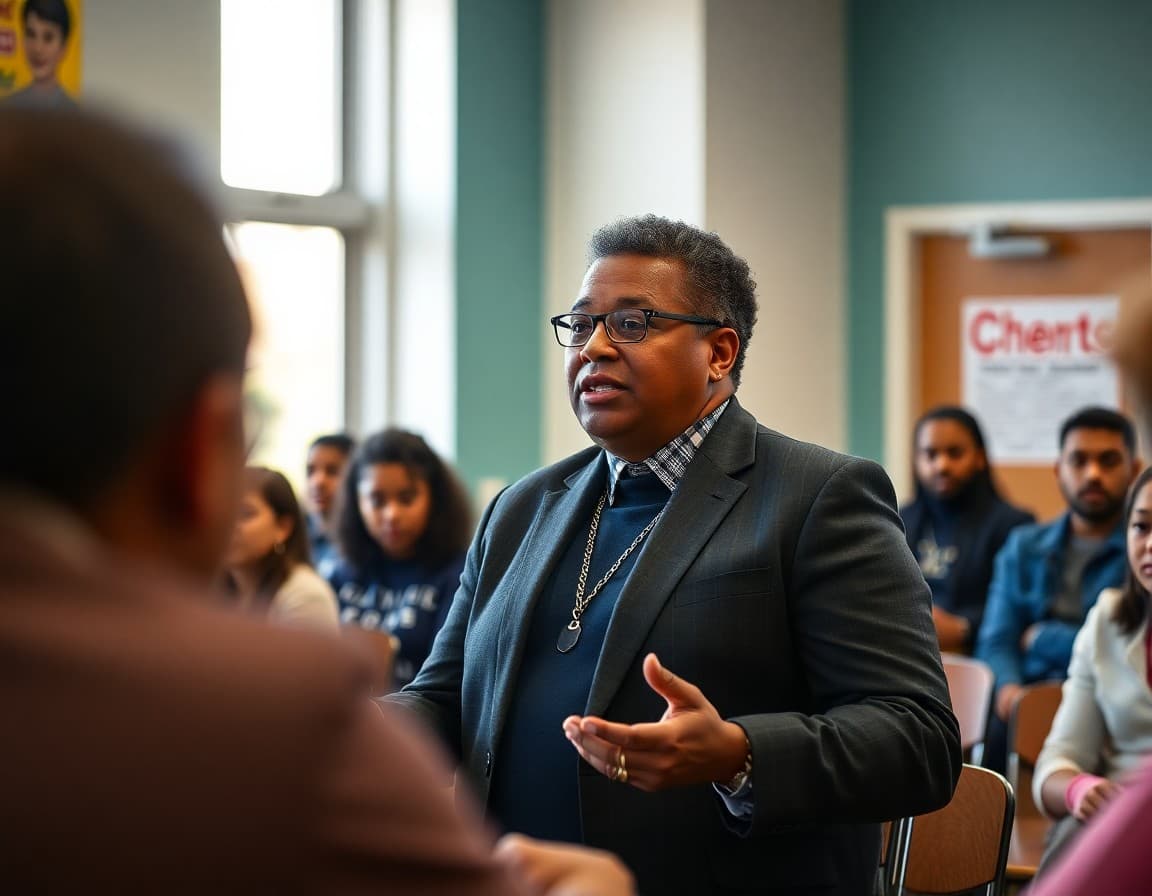
Racial equity in school communications is not about getting the language right. It is about earning trust with families who have reasons to be skeptical of institutional diversity messaging. This newsletter covers what authentically equity-focused school communication looks like and what it avoids.
Start with data, not statements
Families of color who have children in the school system know whether their students are represented in honors programs, whether discipline rates are equitable, and whether their children's teachers look like them. A newsletter that opens with "we are committed to racial equity" without data is a statement that families evaluate against what they observe.
Opening with specific data, even when it shows gaps, communicates honesty. "Our data shows that Black students are referred to the office at three times the rate of white students. Here is what we are doing about it" is a more trustworthy communication than a statement of values.
Name the specific actions
Every equity statement needs a corresponding action. If the school has committed to anti-bias training, describe the training, who completed it, and what changed as a result. If the school is reviewing discipline practices, describe the review process and when results will be shared. Specific actions are credible. Commitments without specifics are not.
Communicate the curriculum
What students learn about history, culture, and social reality shapes how they understand racial equity. A newsletter that describes what the curriculum includes, whose perspectives are centered, and what the school is doing to make the curriculum representative communicates that the school takes seriously whose knowledge counts.

Respond to incidents directly
When a racist incident occurs at school, the newsletter is one of the appropriate communication channels for the response. Acknowledging what happened, why it was harmful, and what the school did about it is more trust-building than staying quiet. The families most affected by the incident are watching whether the school treats it seriously enough to address publicly.
Avoid performative representation
Using students of color only as diversity symbols in photos, featuring only heritage month content while ignoring equity gaps the rest of the year, and listing DEI awards while the achievement gap widens are all patterns that experienced families identify quickly and trust less. Authentic representation in newsletters means covering the real experiences, achievements, and challenges of all students consistently, not only during recognized cultural months.
Invite community input
A school doing serious equity work invites ongoing input from the families most affected. The newsletter can be a regular tool for sharing what the school has heard from those conversations and what it is doing with that input. Feedback loops that result in observable change build the long-term trust that equity work requires.
Get one newsletter idea every week.
Free. For teachers. No spam.
Frequently asked questions
Why should a school address racial equity in its newsletter?
Because racial inequity in school outcomes is well-documented and the families of students of color are watching whether the school acknowledges this reality. A newsletter that communicates specifically and honestly about what the school is doing to close racial gaps in achievement, discipline, and representation builds trust with families who have every reason to be skeptical of generic diversity messaging.
What do families of color most want to see in school equity communications?
Specific data, specific actions, and honest acknowledgment of where the school falls short. Families of color are generally experienced with equity statements that are not backed by observable change. They respond positively to communications that describe what was identified, what specifically is being done about it, and how the school will measure whether it worked.
How should a school communicate about a racial incident in the newsletter?
Directly, promptly, and specifically. Describe what happened, name why it was harmful, describe the school's response, and restate the community's values. Vague language like "an incident occurred that did not reflect our values" is less trusted than specific language about the nature of the harm and the specific response. Promptness matters: a response that arrives two weeks after the incident communicates that it was not a priority.
What should a school avoid in racial equity newsletters?
Performative statements that are not backed by specific actions. Using students of color as symbols of diversity rather than communicating about their real experiences. Framing equity work as charity toward disadvantaged students rather than as the school's institutional responsibility. Listing accomplishments without acknowledging ongoing gaps. Families can identify the difference between authentic equity work and strategic messaging.
How does Daystage help schools communicate authentically about racial equity?
Daystage allows schools to send specific, well-formatted newsletters to targeted family groups, which supports authentic equity communication that is tailored to the communities it is addressing. A school doing serious equity work can use Daystage to communicate that work consistently, specifically, and in the format that families actually read.

Adi Ackerman
Author
Adi Ackerman is a former classroom teacher and curriculum writer with 8 years in K-8 schools. She writes about school communication, parent engagement, and what actually works in real classrooms.
More for Diversity & Equity
School Newsletter: Supporting Student Identity and Sense of Belonging
Diversity & Equity · 6 min read
Diverse School Community Newsletter: Inclusive Communication Guide
Diversity & Equity · 6 min read
School Newsletter: Economic Resources and Supports Available to Families
Diversity & Equity · 6 min read
Ready to send your first newsletter?
3 newsletters free. No credit card. First one ready in under 5 minutes.
Get started free